
Catalog activity ranking
Most-Played Ultima Underworld Games in the EmuGamers Catalog
This page uses active Ultima Underworld catalog entries and separates popularity signals from compatibility evidence. This activity ranking links directly to 3 catalog entries in the Ultima Underworld collection.
What is the quick answer?
Ultima Underworld: The Stygian Abyss currently appears first in this activity ranking, followed by Ultima Underworld: The Stygian Abyss and Ultima Underworld II: Labyrinth of Worlds. Games with real community ratings are considered first; entries without votes are ordered by play activity. This is a catalog signal, not an independent editorial review.
Most-played Ultima Underworld games
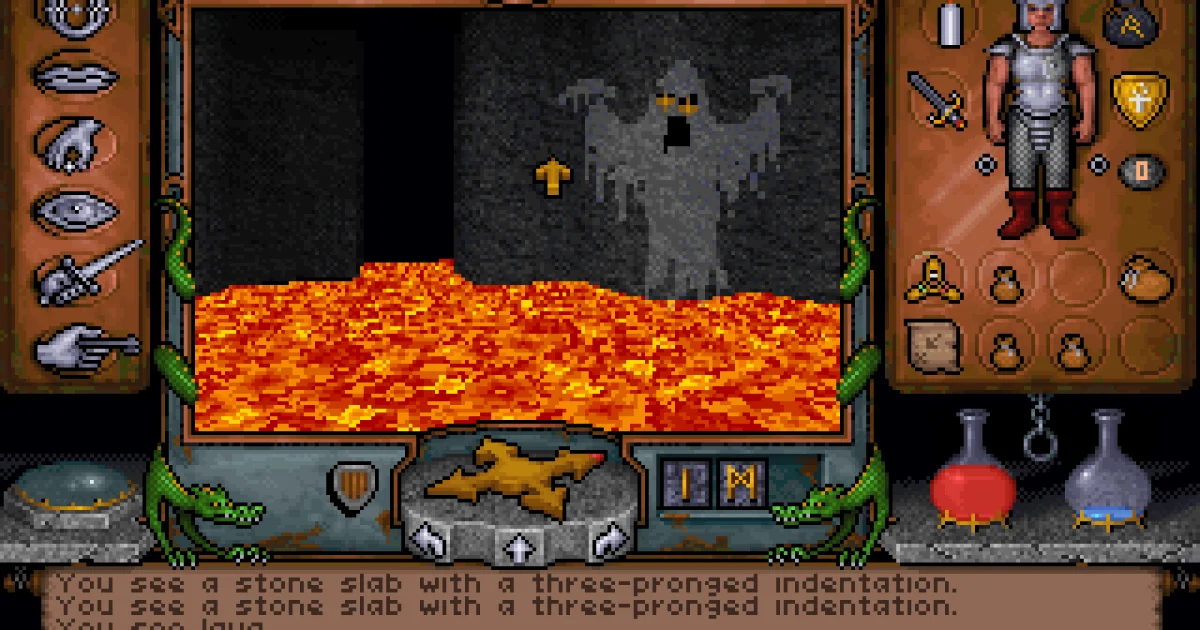
Ultima Underworld: The Stygian Abyss
DOSRole-Playing Game
Ultima Underworld: The Stygian Abyss is a first-person role-playing game developed by Looking Glass Technologies and published by Origin Systems for DOS. The player takes the role of the Avatar, who is accused of kidnapping and must explore a vast subterranean realm beneath Britannia to clear their name and uncover a larger threat. Its dungeon-crawling structure combines real-time combat, character development, environmental puzzles, conversation, and open-ended exploration. The game was historically notable for presenting a continuous 3D world rather than a grid-based dungeon and for allowing unusually broad interaction with objects and characters. Its demanding interface and technical ambition received strong critical praise, and it became an important predecessor to later immersive simulations.
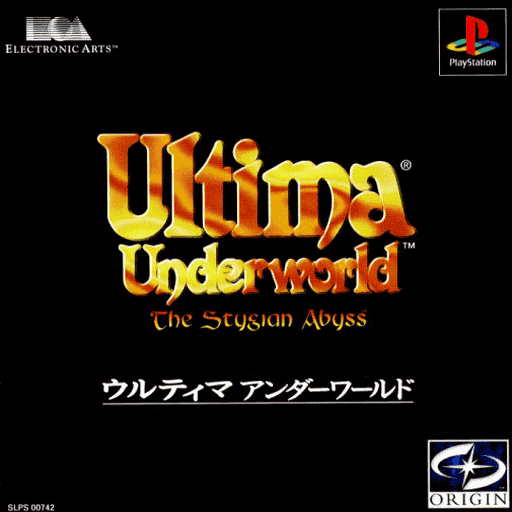
Ultima Underworld: The Stygian Abyss
psRole-Playing Game
Ultima Underworld: The Stygian Abyss is a first-person fantasy role-playing game developed by Blue Sky Productions and published by Origin Systems. The player takes the role of the Avatar, who is wrongly accused of kidnapping and must descend into the Stygian Abyss to rescue a baron’s daughter and uncover the truth. Exploration, combat, character development, conversation, and environmental problem-solving are combined in one continuous dungeon rather than separate battle screens. Originally released for computers in 1992, the game was widely praised for its simulated 3D world, freedom of movement, and unusually open-ended design. The PlayStation version brought this influential dungeon adventure to consoles, although its interface remained demanding.
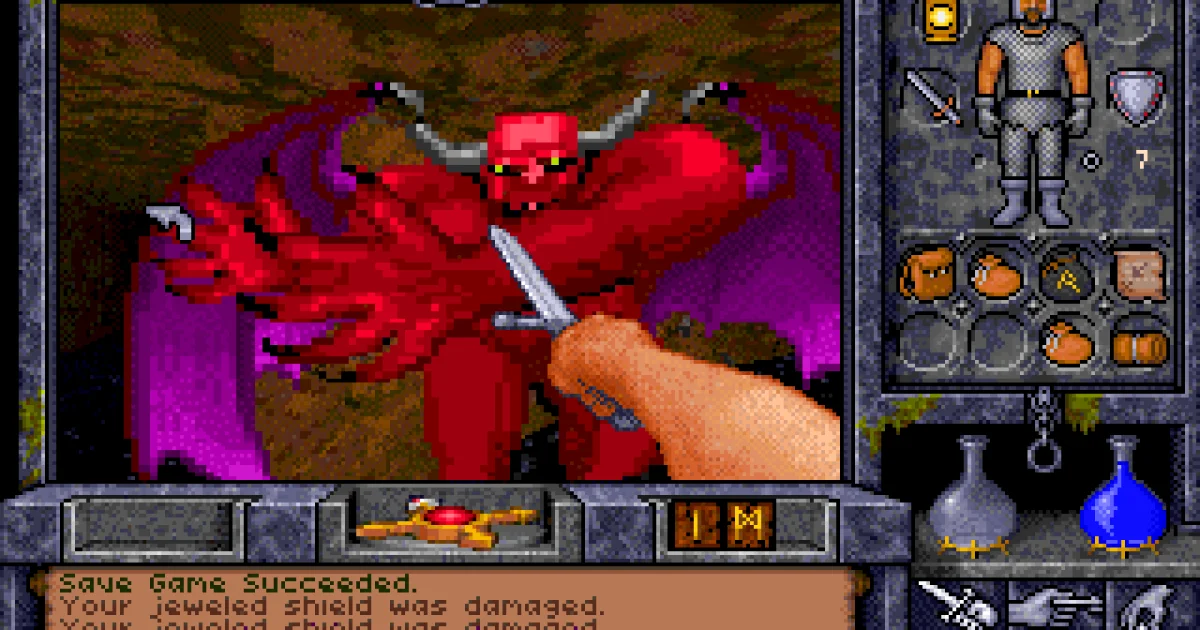
Ultima Underworld II: Labyrinth of Worlds
DOSRole-Playing
Ultima Underworld II: Labyrinth of Worlds is a first-person role-playing and dungeon-crawling game developed by Looking Glass Technologies and published by Origin Systems for DOS. The player again controls the Avatar, who must travel through several connected worlds after the Guardian traps Britannia’s leaders in a magical prison. The game combines real-time combat, exploration, inventory management, conversation, spellcasting, and environmental problem solving. Its continuous 3D spaces support a flexible play style rather than a fixed route through conventional levels. Critics and players generally praised its atmosphere, simulation-like interaction, writing, and ambitious world design, although its complexity and interface could be demanding.
How is this list kept current?
How rankings are calculated
The list is generated from active EmuGamers catalog entries. Votes and play activity determine order; browser compatibility is reported separately and does not turn an untested game into a higher-ranked recommendation.
| Order | Signal | How it is used |
|---|---|---|
| 1 | Real community votes | Games with at least one recorded vote appear before games with no votes. |
| 2 | Rating confidence | More votes rank first, followed by the rating value. |
| 3 | Play activity | Play count breaks rating ties and orders entries with no votes. |
| 4 | Stable tie-break | Game name keeps otherwise equal results deterministic. |
Which sources support further research?
Official sources and catalog provenance
The ranked games come from the EmuGamers database. The links below are related official project updates used for emulator support and preservation context; they are not citations for the ranking order.