
Duke Nukem
The playable hero, a wisecracking action character sent to fight the alien threat at the Moonbase.
Documented for this version
Arrow LeftArrow Right | Move left or right |
|---|---|
Arrow Up | Jump |
Ctrl | Fire weapon |
Space | Use or activate |
How it plays
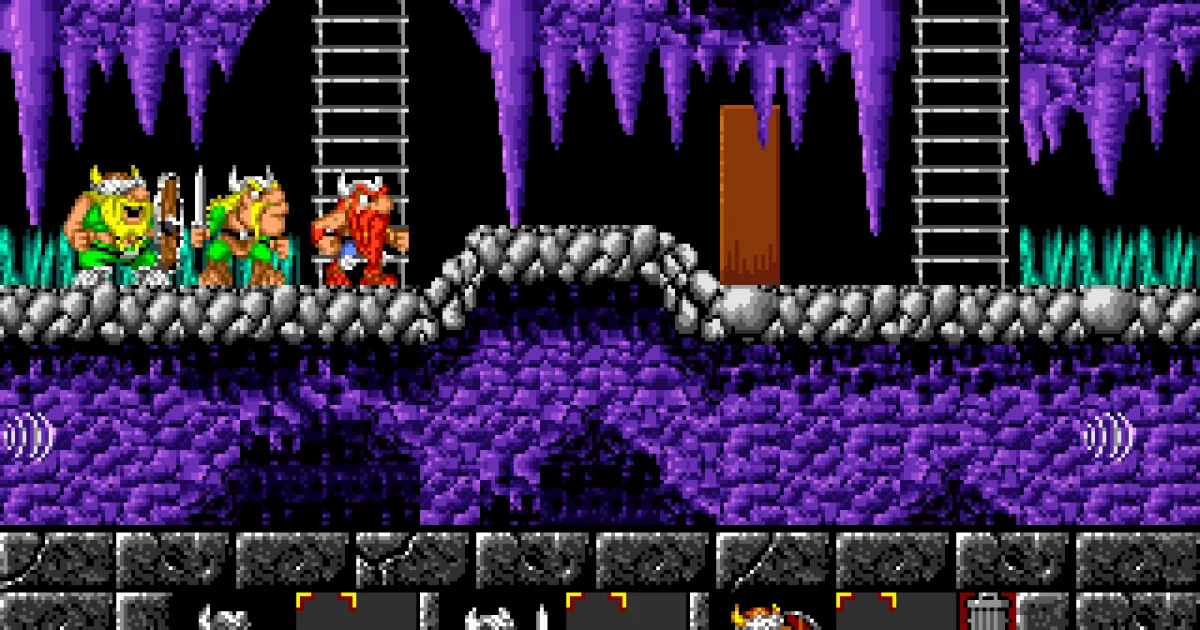
The game is viewed from the side. Duke moves through single-screen and scrolling platform stages, looking for routes through the Moonbase while eliminating hostile creatures and avoiding hazards.
The main objectives are to reach the exit, collect useful items, activate switches, and survive to the end of each level. Movement, jumping, shooting, and careful exploration are central, while progression comes from completing stages rather than from a persistent character-level system.
Plan your run
Search each section before moving on, since switches, ammunition, and useful items may be placed away from the direct route.
Use short, controlled jumps around hazards and conserve shots when an enemy can be bypassed safely. Learn enemy positioning and revisit reachable side areas after activating switches.
Meet the cast
The playable hero, a wisecracking action character sent to fight the alien threat at the Moonbase.
Before you begin
Explore side paths for items and switches before entering the exit.
Avoid rushing into unfamiliar rooms; hazards and enemies can be positioned just beyond the screen edge.
Duke Nukem: Episode Two: "Mission: Moonbase" is a side-scrolling action platformer developed and published by Apogee Software for DOS in 1991. It continues the original Duke Nukem’s science-fiction adventure, sending Duke into a hostile Moonbase filled with alien forces, traps, and mechanical hazards. The game combines run-and-gun shooting with platform navigation, collectible items, switches, and environmental obstacles. Its episodic shareware structure reflects Apogee’s early distribution model, with this episode offering a compact set of handcrafted levels rather than a continuous modern campaign. Reception was generally favorable among early PC players for its colorful graphics, responsive controls, and energetic action, although its design and technology are plainly rooted in the early 1990s.
Catalog entry maintained by EmuGamers Editorial Team
Community discussion
What are players saying? 0