
Jill
The playable heroine, an athletic adventurer who explores hostile environments, fights creatures, and uses special transformations during her journey.
How it plays
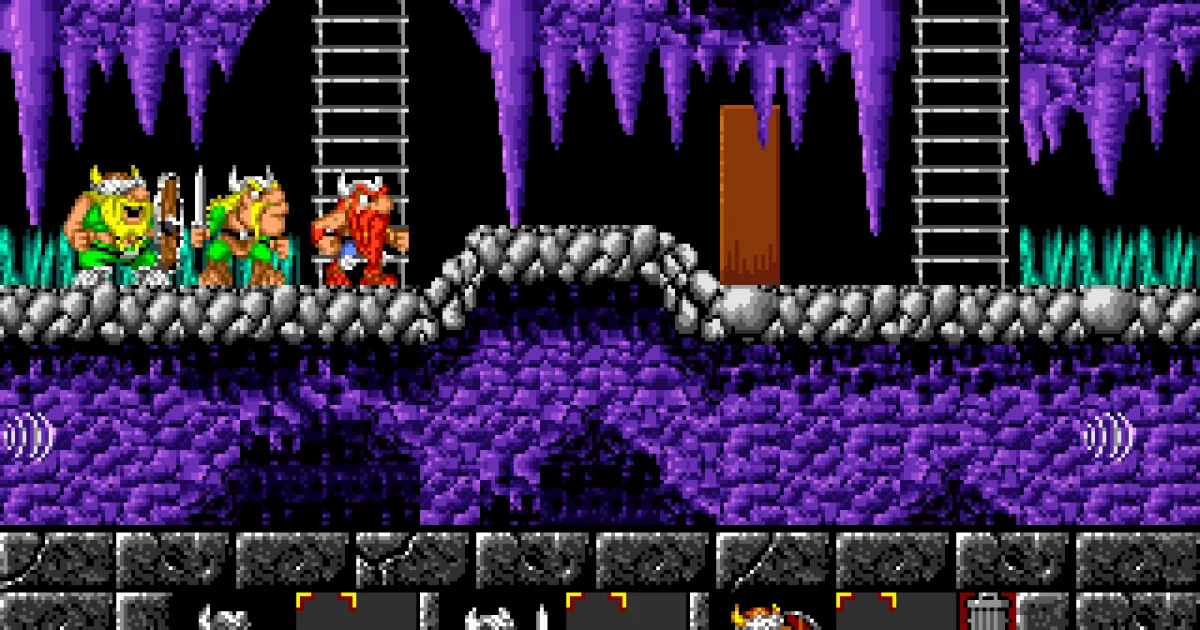
The trilogy is played from a two-dimensional side view. Jill moves through self-contained forest, cave, ruin, and fortress stages, searching for exits while avoiding traps and defeating enemies.
Players jump across platforms, collect items, activate switches, and use weapons or transformations when available. Episodes add new hazards, environments, and challenges, while exploration rewards players who investigate alternate passages and concealed areas.
Plan your run
Explore each stage carefully before committing to a dangerous jump. Hidden rooms and side passages often contain useful items or safer routes.
Learn the timing of enemy patterns, conserve limited offensive resources, and use transformations for the situations they suit best rather than treating them as simple power-ups.
Meet the cast
The playable heroine, an athletic adventurer who explores hostile environments, fights creatures, and uses special transformations during her journey.
Before you begin
Search platforms, walls, and dead ends for hidden passages and collectibles.
Use a transformation when its movement or attack ability matches the surrounding hazards.
Treat unfamiliar enemies and moving platforms cautiously until their patterns are clear.
Jill of the Jungle: The Complete Trilogy is a DOS compilation developed and published by Epic MegaGames. It contains the three episodes of the Jill of the Jungle platforming series, following Jill as she fights through wild environments to rescue her companion and overcome increasingly elaborate hazards. The games combine side-scrolling exploration, jumping challenges, enemy combat, collectible items, and occasional transformations that change Jill’s abilities. Each episode uses compact levels with secrets and branching routes rather than a single continuous world. The trilogy was well regarded among early-1990s PC players for responsive controls, colorful VGA graphics, and accessible shareware-era design, and it remains an identifiable example of Epic’s formative platform-game catalog.
Catalog entry maintained by EmuGamers Editorial Team
Community discussion
What are players saying? 0