
Joe Blade
The protagonist and playable special agent. Joe Blade must infiltrate the enemy area, overcome its defenses, and rescue the hostages.
How it plays
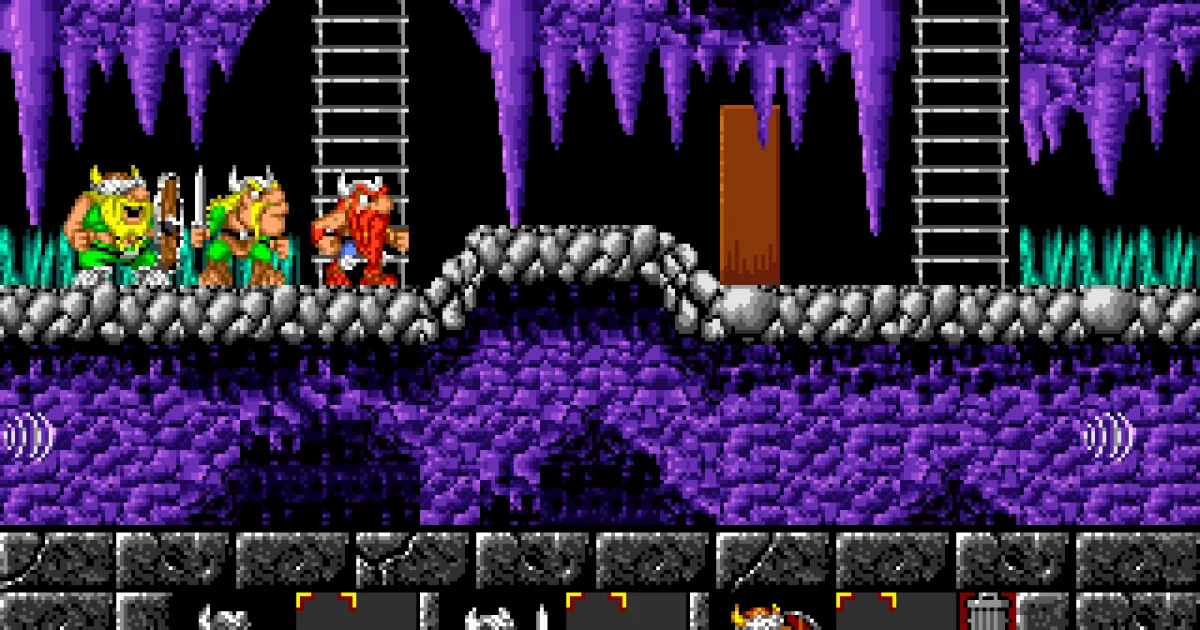
Joe Blade II uses a side-view perspective. The main objective is to move through guarded locations, deal with enemies and hazards, and rescue the people held by the opposing force. Progress depends on reaching different parts of the environment and finding a safe route through platforms, rooms, and obstacles.
The player controls movement and jumping while using the character’s available attack or interaction actions. The game is structured around repeated attempts: learning enemy positions, avoiding dangerous terrain, and improving the route through each section. Mistakes can cost a life, so measured movement is generally more effective than rushing.
Plan your run
Study each screen before committing to a jump or crossing. Enemy placement and hazards make blind movement costly, so advance in short, deliberate steps.
Prioritize rescue objectives and safe routes over unnecessary encounters. Use repeated attempts to memorize timing, platform positions, and the locations where hazards can be bypassed.
Meet the cast
The protagonist and playable special agent. Joe Blade must infiltrate the enemy area, overcome its defenses, and rescue the hostages.
Before you begin
Treat unfamiliar platforms and corridors as dangerous until their timing is understood.
Avoid rushing into enemies; controlled movement helps preserve lives.
Use failed attempts to map a safer route through each section.
Joe Blade II is an action-platform adventure developed and published by Players Software for DOS. The player controls Joe Blade, a special agent sent to rescue hostages and overcome a fortified enemy environment. Its design combines side-view exploration, platforming, hazards, enemies, and object-focused problem solving rather than relying solely on direct combat. The game belongs to the late-1980s home-computer action tradition, with compact areas that reward careful movement and observation. Reception was mixed: its straightforward objectives and colorful presentation appealed to some players, while the stiff controls and demanding collision hazards were common criticisms. Its historical interest comes mainly from its status as a sequel in Players Software’s small Joe Blade series.
Catalog entry maintained by EmuGamers Editorial Team
Community discussion
What are players saying? 0