
Professor Oak
The key guide at the start of the journey, introducing the world and the player’s first choices.
Documented for this version
D-pad | Move the player character |
|---|---|
A | Confirm, interact, and examine objects |
B | Cancel, close menus, or use the secondary field action when applicable |
Start | Open the main menu |
Select | Use the registered item or change the registered item |
L | Cycle or adjust selections where supported |
R | Cycle or adjust selections where supported |
Controls follow the Game Boy Advance Pokémon FireRed-style interface.
Some functions vary by context and menu.
How it plays
The game uses a top-down perspective for exploration and a menu-driven, turn-based battle system. The player travels through Kanto, collects Pokémon, defeats Gym Leaders, earns Badges, and advances the story toward the Pokémon League.
Routes, towns, caves, and other areas are arranged as an interconnected adventure. Players catch and train a party, manage moves and items, solve environmental obstacles, and use Pokémon abilities such as field techniques to reach new areas. Progression follows the familiar Badge-based structure, with optional collection and training goals alongside the main journey.
Plan your run
Build a balanced party with different types and dependable moves rather than relying on one overleveled Pokémon. Keep spare healing items, review opponents before important battles, and revisit earlier areas when new field abilities open blocked paths.
Because the hack is known for broader encounter access, check grass, fishing, and special-area encounters carefully before assuming a Pokémon is unavailable. Save before major battles and before testing unusual events, since fan-made modifications may not have the same documentation or testing coverage as an official release.
Meet the cast
The key guide at the start of the journey, introducing the world and the player’s first choices.
The recurring villain organization that appears throughout the Kanto storyline.
The trainer controlled by the player, setting out to challenge gyms and complete the Pokédex.
Before you begin
Train several Pokémon instead of concentrating all experience on one team member.
Use the Pokédex and area encounters to plan collection goals before spending rare evolution items.
Save before Gym Leaders, the Pokémon League, and any unusual event or encounter.
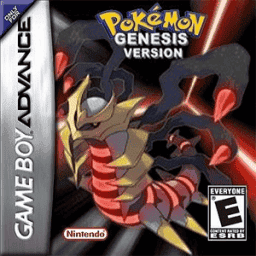
Pokémon Ultra Violet is an unofficial Game Boy Advance role-playing game built from Pokémon FireRed. It retains the Kanto journey, monster-collecting structure, turn-based battles, and exploration of the original while modifying encounters and progression. Its best-known feature is expanded access to Pokémon that normally required trading, special events, or another version, making it possible to pursue a much more complete Pokédex on one cartridge. The game is associated with the fan ROM-hack community rather than an officially licensed Pokémon release, and its individual developer and publication date are not consistently documented. Reception has generally centered on its convenience and expanded collection goals, while players should expect the balance, presentation, and documentation of a fan-made FireRed modification rather than a wholly new commercial Pokémon title.
Catalog entry maintained by EmuGamers Editorial Team



Community discussion
What are players saying? 0