
Fun School 2: For the Under-6s
DOSEducational
How it plays
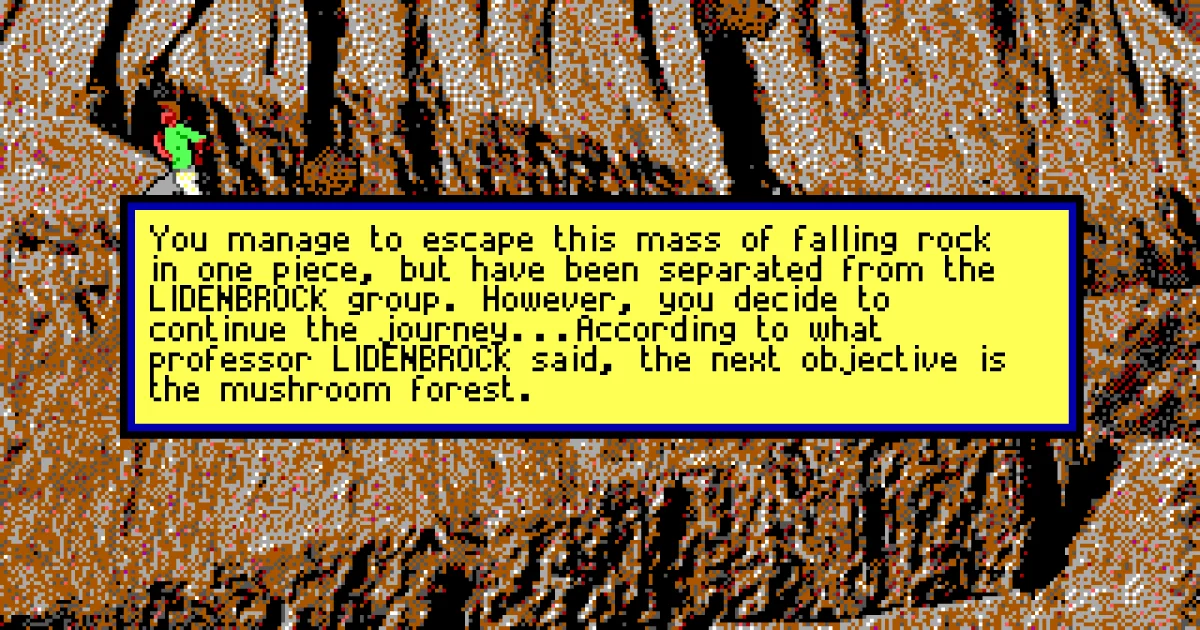
Timequest uses a first-person, text-driven adventure presentation supplemented by illustrated locations. The main objective is to investigate changes in history, collect useful objects, question characters, and restore the correct timeline.
Players enter commands to move, examine surroundings, manipulate items, and communicate with people. Progress is organized around historical settings and connected puzzles; solving one situation can reveal information or objects needed elsewhere. There is no real-time combat focus, so success depends on observation, note-taking, and testing plausible commands.
Plan your run
Examine every location and record unusual historical changes before committing to a solution. Talk to characters repeatedly after important discoveries, and keep track of objects, dates, and relationships between events.
The parser rewards specific descriptions of actions. If a reasonable command fails, rephrase it using the game’s vocabulary and try examining or taking nearby objects first. Save before experimenting with potentially irreversible actions.
Timequest is a science-fiction graphic adventure developed and published by Legend Entertainment for DOS in 1991. The player takes the role of a time-police agent sent to repair a damaged timeline, moving through altered versions of historical periods and investigating the causes of the disruption. Play combines parser-based interaction, exploration, conversation, and object-based puzzle solving rather than arcade action. The game reflects Legend’s transition from traditional text adventures toward illustrated interfaces while retaining detailed written descriptions and command-driven problem solving. Contemporary and later assessments generally recognize its ambitious alternate-history premise and writing, although its puzzles and parser can demand careful experimentation.
Catalog entry maintained by EmuGamers Editorial Team
Community discussion
What are players saying? 0