
The Dark Savant
The principal antagonist, a powerful alien figure whose search for the Astral Dominae drives much of the conflict on Guardia.
How it plays
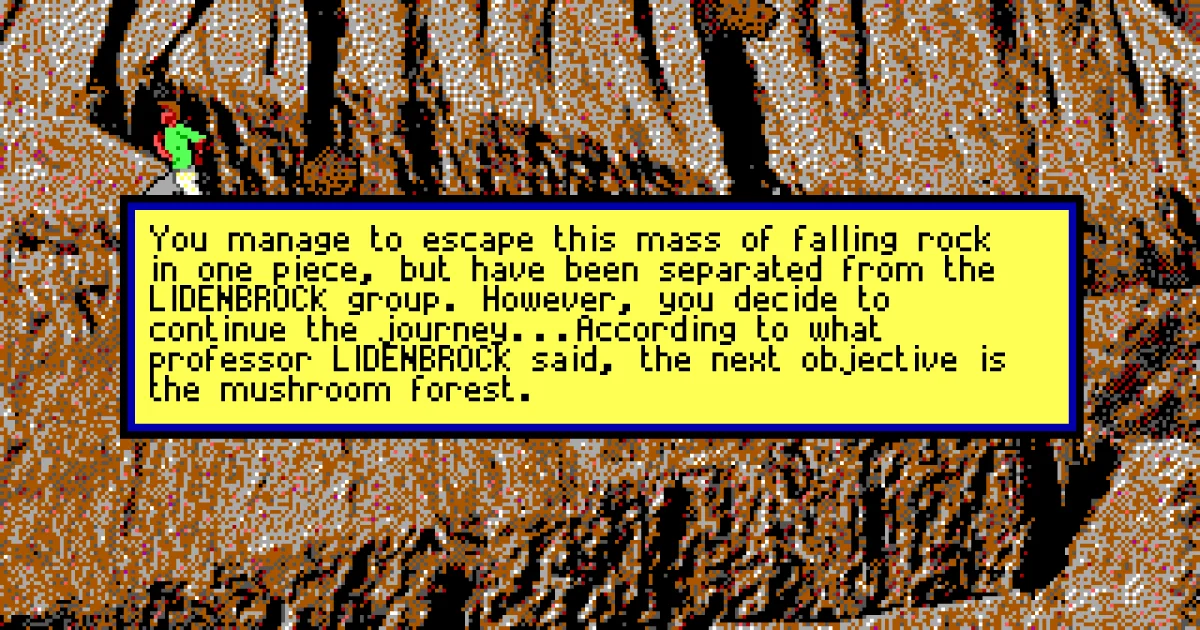
The game uses a first-person perspective for movement through outdoor regions, towns, ruins, and dungeons. The player creates and manages a party, explores interconnected areas, gathers information, solves problems, and fights hostile creatures in turn-based encounters.
Combat is command-based: party members can attack, defend, cast spells, use items, or perform special actions. Characters gain experience, improve attributes and skills, change equipment, and may alter professions. Progress depends on exploration, quest decisions, faction interactions, and finding key objects rather than following a strictly linear sequence.
Plan your run
Build a balanced party with reliable front-line fighters, healing, offensive magic, and utility skills. Keep several save files because choices, faction relations, and missed information can affect later progress.
Explore methodically and record landmarks, clues, locked locations, and NPC requests. Protect spell points and consumables before difficult areas, identify equipment when possible, and retreat early when an encounter is beyond the party’s ability.
Meet the cast
The principal antagonist, a powerful alien figure whose search for the Astral Dominae drives much of the conflict on Guardia.
Before you begin
Maintain multiple saves before major conversations and area transitions.
Train both combat ability and practical skills; exploration often depends on more than statistics.
Restock healing and spell supplies before entering unfamiliar regions.
Wizardry: Crusaders of the Dark Savant is a first-person, party-based computer role-playing game developed by Sir-Tech Canada and published by Sir-Tech for DOS. It follows the player’s adventuring group through the planet Guardia, where rival factions search for the powerful Astral Dominae while the Dark Savant pursues his own objectives. Exploration, character development, equipment management, and turn-based combat form the core play style. The game is notably less linear than earlier Wizardry entries, allowing negotiation, faction relationships, and multiple approaches to objectives. It was well received for its depth, scale, and freedom, although its complexity and unforgiving interface made it demanding for newcomers.
Catalog entry maintained by EmuGamers Editorial Team
Community discussion
What are players saying? 0