
Fun School 2: For the Under-6s
DOSEducational
How it plays
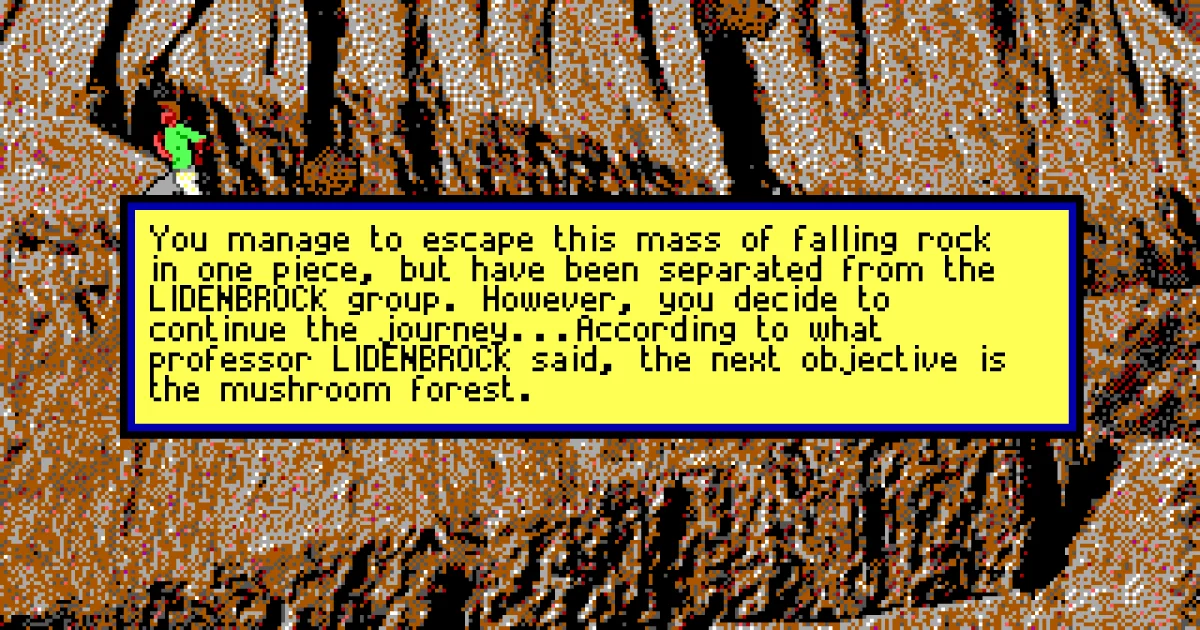
The game uses a first-person, menu-driven presentation for exploration and interaction. The party travels across Thaine, visits towns and other locations, gathers information, obtains equipment, and accepts tasks connected to the region’s political and supernatural dangers.
Combat is turn-based. Players choose actions for individual party members, including attacks, spells, and other available abilities, then manage health, resources, equipment, and character advancement between encounters. Progress comes from exploration, completing quests, improving the party, and overcoming increasingly difficult enemies.
Plan your run
Build a balanced party rather than relying on one type of fighter. Keep dependable front-line attackers, characters capable of supporting the group, and enough magical ability to handle enemies that resist ordinary weapons.
Revisit towns regularly to restock and improve equipment. Conserve limited resources before uncertain expeditions, pay attention to character condition after battles, and explore methodically so that useful quests and supplies are not overlooked.
Before you begin
Maintain a balanced party with both physical and magical capabilities.
Restock supplies and upgrade equipment before long expeditions.
Use turn-based combat to plan actions instead of spending resources immediately.
Yendorian Tales: The Tyrants of Thaine is a fantasy role-playing game developed by Worldweaver Productions and published by Sierra On-Line for DOS. The player leads a small party through the troubled land of Thaine, recruiting adventurers, exploring settlements and wilderness, and confronting hostile forces. Its design combines menu-driven exploration with turn-based combat and a broad emphasis on party development rather than twitch action. The game reflects the computer RPG tradition of the early 1990s, with character statistics, equipment, spells, quests, and tactical encounters forming its core. Reception was mixed: some players appreciated its depth and old-school scope, while others found the interface and presentation less approachable than contemporary commercial RPGs.
Catalog entry maintained by EmuGamers Editorial Team
Community discussion
What are players saying? 0