
Mario
Appears as the guide and timer, giving feedback while you solve puzzles.
Documented for this version
D-pad | Move the cursor |
|---|---|
A | Fill the selected square |
B | Mark the selected square with an X |
Start | Pause the game |
How it plays
Players view a grid from a fixed top-down puzzle perspective and fill squares according to the clues for each row and column. A clue number represents a consecutive group of filled squares, with at least one blank square separating separate groups.
The player moves a cursor around the grid, marks suspected filled squares, and can place X marks in squares believed to be empty. Puzzles are organized into stages with different grid sizes and difficulty levels. Completing puzzles advances through the game, while mistakes can trigger a time penalty or reduce the available margin for error.
Plan your run
Start with rows or columns whose clue totals nearly fill the entire line; their placements often force several squares immediately.
Use X marks to record confirmed empty spaces, then cross-check every deduction against both its row and column. When a puzzle becomes uncertain, compare the possible placements of a clue group and fill only the squares shared by all valid placements. Avoid guessing, especially on larger grids where an error can cost valuable time.
Meet the cast
Appears as the guide and timer, giving feedback while you solve puzzles.
Before you begin
Mark confirmed empty squares with X so they are not reconsidered later.
Recheck completed rows and columns before making deductions elsewhere.
Use the timer and mistake indicators as warnings, not as substitutes for logical verification.
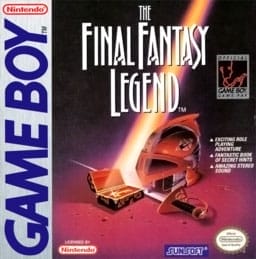
Game BoyRole-Playing Game
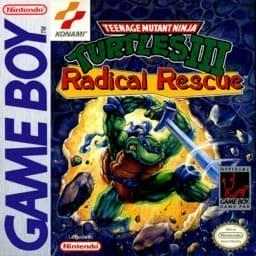
Game BoyAction-Adventure
Mario's Picross is a logic puzzle game developed by Jupiter and published by Nintendo for the Game Boy. Each puzzle is a nonogram: players use numbered clues beside rows and columns to determine which squares should be filled, gradually revealing a hidden picture. The game combines compact handheld presentation with a large collection of increasingly difficult puzzles. Mario appears as a guide and commentator, but the core experience is methodical deduction rather than platforming or action. Its clear rules, short puzzle sessions, and steadily rising challenge helped establish Picross as a durable Nintendo puzzle format, and the Game Boy release was generally well received for making a traditionally paper-based puzzle convenient to play anywhere.
Catalog entry maintained by EmuGamers Editorial Team


Community discussion
What are players saying? 0