
Catalog activity ranking
Most-Played Family Computer Disk System Games in the EmuGamers Catalog
This page uses active Family Computer Disk System catalog entries and separates popularity signals from compatibility evidence. This activity ranking is drawn from 9 Family Computer Disk System games in the EmuGamers catalog.
What is the quick answer?
Famicom Grand Prix: F1 Race currently appears first in this activity ranking, followed by Yume Kōjō: Doki Doki Panic and Famicom Grand Prix II: 3D Hot Rally. Games with real community ratings are considered first; entries without votes are ordered by play activity. This is a catalog signal, not an independent editorial review.
Most-played Family Computer Disk System games
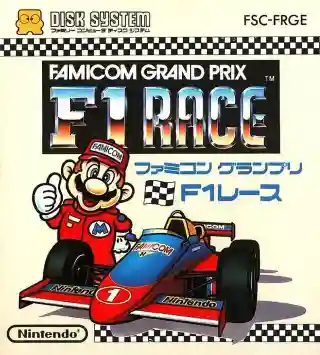
Famicom Grand Prix: F1 Race
fdsRacing
Famicom Grand Prix: F1 Race is a Formula One-inspired racing game developed by Nintendo R&D1 and published by Nintendo for the Famicom Disk System. It presents races from a behind-the-car perspective, with the track scrolling toward the player as opponents and hazards appear ahead. The main premise is to complete championship-style courses quickly while managing speed, steering, fuel, and race position. Its play style is more technical than a simple arcade sprint, especially on narrow sections and during high-speed turns. Released in Japan in 1987, it was an early Nintendo experiment with pseudo-3D racing presentation on the Famicom hardware. Reception has generally recognized its ambitious perspective and smooth scrolling, while noting its limited content and demanding handling.
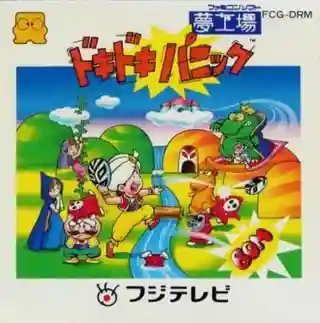
Yume Kōjō: Doki Doki Panic
fdsPlatformer1987
Yume Kōjō: Doki Doki Panic is a side-scrolling action platformer developed by Nintendo R&D4 and published by Fuji Television for the Family Computer Disk System. The game follows a family drawn into a strange dream world after a magical book is stolen and two children are kidnapped. Players choose among four characters with different jumping, running, and lifting abilities, then explore obstacle-filled stages and defeat enemies with thrown objects. Its imaginative art and distinctive mechanics earned it a strong reputation in Japan. The game is also historically important because its mechanics and character designs were later adapted for the international version of Super Mario Bros. 2.
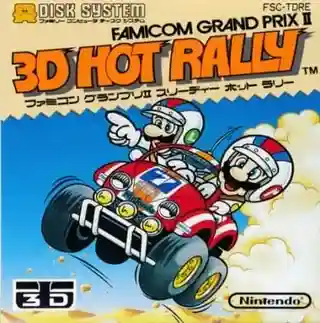
Famicom Grand Prix II: 3D Hot Rally
fdsRacing
Famicom Grand Prix II: 3D Hot Rally is an off-road racing game developed by Nintendo R&D4 and published by Nintendo for the Famicom Disk System. It presents rally events from a behind-the-vehicle perspective, using scrolling road graphics to create a pseudo-3D driving effect. Players race through varied courses, manage their position, and avoid hazards while trying to reach the finish ahead of rival vehicles. The game is designed as a compact arcade-style experience rather than a simulation. Its distinctive visual presentation was associated with Nintendo’s Famicom 3D System, although the game can also be played in conventional 2D. Reception has generally focused on its technical ambition, unusual viewpoint, and challenging handling, making it a notable but relatively obscure Nintendo racing release of the late 1980s.
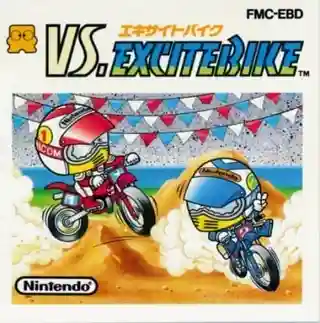
Vs. Excitebike
fdsRacing
Vs. Excitebike is a motorcycle racing game developed by Nintendo R&D1 and published by Nintendo for the Famicom Disk System. It expands the original Excitebike formula with competitive racing designed around head-to-head play, while retaining the series’ emphasis on ramps, traffic, and temperature management. Races use side-scrolling courses filled with hills, barriers, and rival riders, so success depends on balancing acceleration with controlled landings. The game also preserves the straightforward arcade-style handling and track-focused presentation associated with its predecessor. Released in Japan in 1988, it had limited international exposure because it was not broadly released outside Japan. Its importance comes from showing how Nintendo adapted a familiar single-player racer for versus competition on the Famicom Disk System.
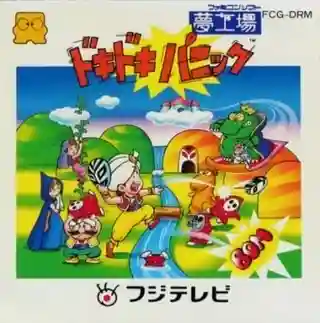
Yume Kōjō: Doki Doki Panic
fdsPlatformer1987
Yume Kōjō: Doki Doki Panic is a side-scrolling action platformer developed by Nintendo R&D4 and published in Japan by Fuji Television for the Family Computer Disk System. The game follows four members of the Mamu family after the sinister Mamu steals two children and traps them in a dream world. Players choose among characters with different jumping and lifting abilities, then explore themed stages filled with enemies, vegetables, doors, and hidden routes. Its inventive object-lifting mechanics and colorful presentation earned it a strong reputation in Japan. The game is also historically notable because its gameplay and characters were later adapted into the international version of Super Mario Bros. 2.
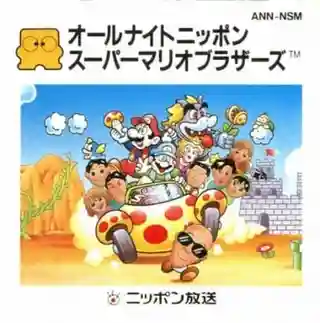
All Night Nippon Super Mario Bros.
fdsPlatformer
All Night Nippon Super Mario Bros. is a Japanese Famicom Disk System platform game developed by Nintendo R&D4 and distributed through a collaboration with the radio program All Night Nippon. It is a modified version of Super Mario Bros., retaining the original side-scrolling action while replacing or redesigning several visual elements around the broadcast show’s personalities. Players guide Mario through familiar obstacle courses filled with platforms, enemies, pits, and power-ups. The game was produced as a limited promotional release rather than a standard retail sequel, making it historically notable among the rarest official Mario variations. Its reception is mainly associated with its unusual presentation, collectible status, and close relationship to Japanese radio culture.
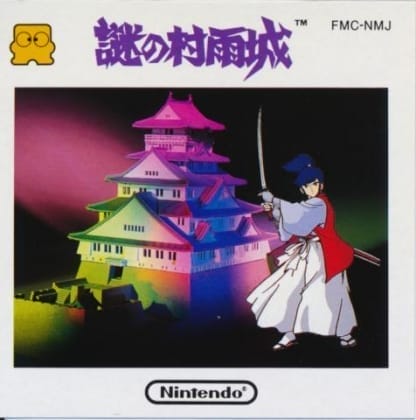
The Mysterious Murasame Castle
fdsAction-Adventure1986
The Mysterious Murasame Castle is a top-down action-adventure game developed by Nintendo R&D1 and published by Nintendo for the Famicom Disk System. The player controls Takamaru, a young swordsman sent to investigate strange events surrounding Murasame Castle after a mysterious object arrives there. Exploration, fast swordplay, shuriken attacks, and encounters with supernatural enemies define the experience. The game is structured around several castles and surrounding areas rather than a conventional side-scrolling stage sequence. It was released in Japan in 1986 and became a distinctive, relatively obscure Nintendo title. Its demanding combat and unusual setting have helped it gain a lasting cult reputation, despite never receiving the same international exposure as Nintendo’s better-known action games.
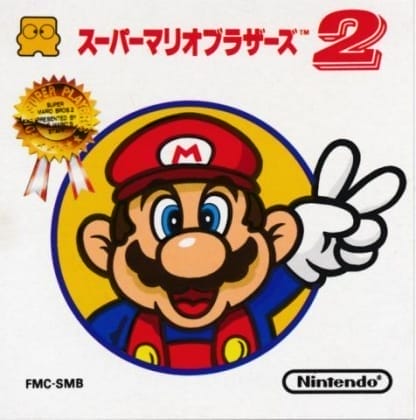
Super Mario Bros. 2
fdsPlatformer1986
Super Mario Bros. 2 is a side-scrolling platform game developed by Nintendo R&D4 and published by Nintendo for the Family Computer Disk System. It follows Mario, Luigi, Toad, or Princess Peach as they cross the Mushroom Kingdom to rescue Princess Peach from Bowser. The game retains the running, jumping, stomping, and power-up-based play of its predecessor while introducing tighter platforms, stronger enemies, wind, poison mushrooms, and other hazards. It is a single-player adventure across eight worlds, with a notably demanding difficulty curve. Japanese players received it as a direct sequel in 1986; its difficulty led Nintendo to use a different game as the Western Super Mario Bros. 2.
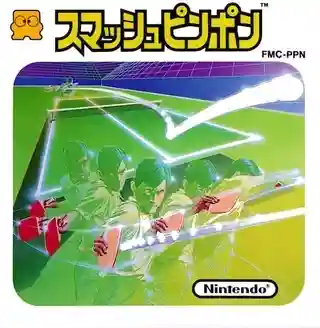
Smash Ping Pong
fdsSports
Smash Ping Pong is a table-tennis sports game developed and published by Nintendo for the Family Computer Disk System. It presents the match from a viewpoint behind the player's side of the table, emphasizing timing, positioning, and shot placement rather than complex character abilities. Players return the ball across the net, attempt to force mistakes, and build points through accurate rallies and aggressive smashes. The presentation is compact and arcade-like, with match play replacing a conventional scrolling stage structure. Its reception is primarily historical: the game is remembered as an early Nintendo table-tennis title and as an example of the Disk System's growing sports-game library, although its simple mechanics and limited presentation feel modest by later standards.
How is this list kept current?
How rankings are calculated
The list is generated from active EmuGamers catalog entries. Votes and play activity determine order; browser compatibility is reported separately and does not turn an untested game into a higher-ranked recommendation.
| Order | Signal | How it is used |
|---|---|---|
| 1 | Real community votes | Games with at least one recorded vote appear before games with no votes. |
| 2 | Rating confidence | More votes rank first, followed by the rating value. |
| 3 | Play activity | Play count breaks rating ties and orders entries with no votes. |
| 4 | Stable tie-break | Game name keeps otherwise equal results deterministic. |
Which sources support further research?
Official sources and catalog provenance
The ranked games come from the EmuGamers database. The links below are related official project updates used for emulator support and preservation context; they are not citations for the ranking order.