
Catalog activity ranking
Most-Played Arkanoid Games in the EmuGamers Catalog
This page uses active Arkanoid catalog entries and separates popularity signals from compatibility evidence. This activity ranking links directly to 4 catalog entries in the Arkanoid collection.
What is the quick answer?
Arkanoid currently appears first in this activity ranking, followed by Arkanoid II: Revenge of Doh and Arkanoid. Games with real community ratings are considered first; entries without votes are ordered by play activity. This is a catalog signal, not an independent editorial review.
Most-played Arkanoid games
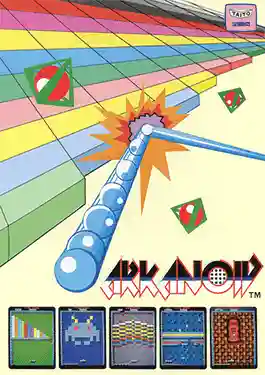
Arkanoid
Arcade SystemsArcade
Arkanoid is a 1986 arcade action game developed and published by Taito. It expands the classic Breakout formula with a science-fiction premise: the player controls the Vaus spacecraft and must clear formations of blocks while guiding a bouncing energy ball. A rotary paddle provides precise horizontal movement, making timing and positioning central to play. Power-up capsules add temporary abilities and alter the rhythm of each stage. The game is structured as a sequence of single-screen levels, ending in encounters with distinctive bosses. Arkanoid was well received for its responsive controls, attractive presentation, and substantial refinement of a familiar concept. Its paddle-based design also made it a notable arcade experience and established a successful series of sequels and conversions.
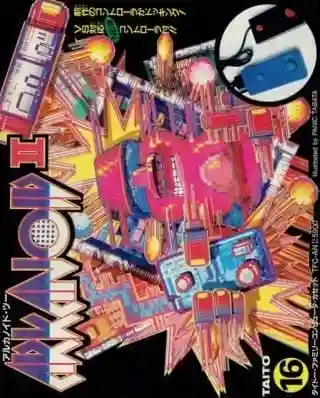
Arkanoid II: Revenge of Doh
Nintendo Entertainment System (NES)Arcade
Arkanoid II: Revenge of Doh is an arcade-style brick-breaker developed and published by Taito Corporation for the Nintendo Entertainment System. It follows the Arkanoid formula: the player controls a horizontal paddle, keeps a ball in play, and clears formations of blocks while advancing through a science-fiction adventure. The NES version presents a substantial sequence of stages with moving and special blocks, power-ups, and boss encounters. Its play style is precise and reflex-focused rather than exploratory, with success depending on paddle positioning and careful use of the ball’s angles. As a follow-up to Arkanoid, it is remembered for expanding the original’s stage design and adding more varied hazards while retaining the demanding arcade structure.

Arkanoid
Nintendo Entertainment System (NES)Breakout
Arkanoid is a Breakout-style arcade game developed and published by Taito, adapted for the Nintendo Entertainment System in the mid-1980s. The player controls the Vaus paddle, deflecting a ball to destroy formations of colored blocks while trying to keep the ball in play. Some blocks release capsules that alter the paddle, ball, or stage behavior. The NES version retains the straightforward single-player arcade structure while replacing the original rotary control with directional input, and it supports the dedicated Arkanoid Vaus Controller. Its large collection of stages, simple rules, and escalating layouts made it a notable home conversion of Taito’s arcade hit, although the standard controller is less precise than the arcade spinner.
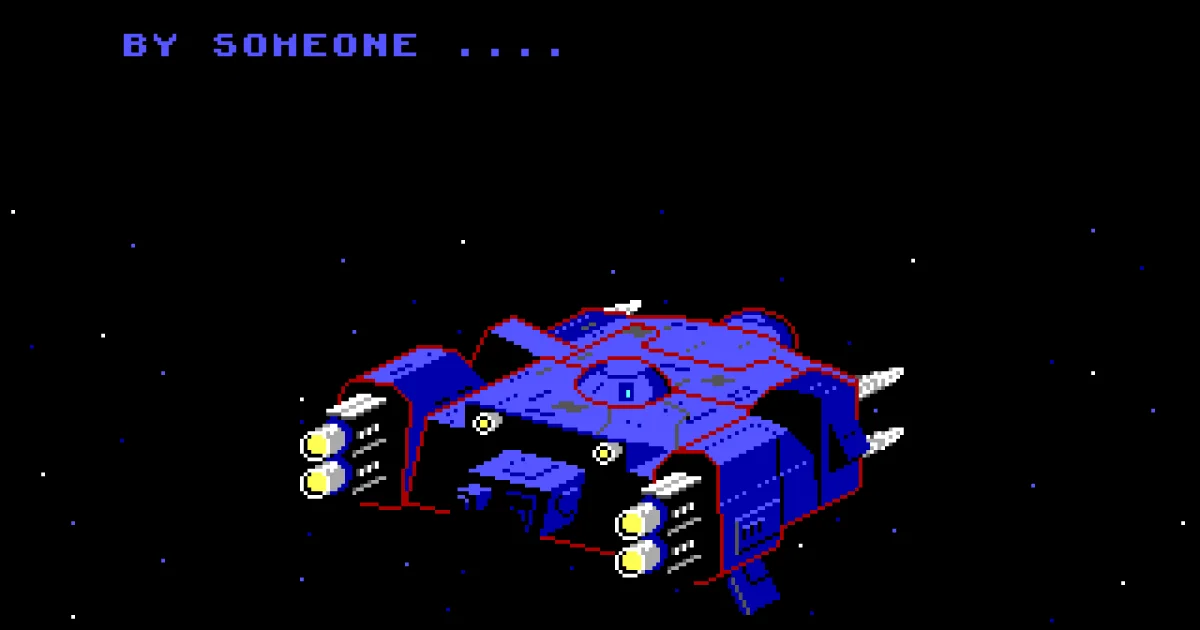
Arkanoid
DOSAction
Arkanoid is a brick-breaking arcade game developed by Taito and adapted for DOS. The player controls the Vaus spacecraft, moving it horizontally to keep an energy ball in play and clear formations of blocks. Its science-fiction setting, colorful power-ups, and varied stage layouts give the traditional Breakout formula more structure and personality. The game is primarily a single-player reflex challenge, with progress measured by completing increasingly demanding screens. Arkanoid was well received for its precise arcade design and became one of the best-known modern descendants of Breakout. The DOS version preserves the core concept, though its presentation and input feel depend on the particular release and hardware.
How is this list kept current?
How rankings are calculated
The list is generated from active EmuGamers catalog entries. Votes and play activity determine order; browser compatibility is reported separately and does not turn an untested game into a higher-ranked recommendation.
| Order | Signal | How it is used |
|---|---|---|
| 1 | Real community votes | Games with at least one recorded vote appear before games with no votes. |
| 2 | Rating confidence | More votes rank first, followed by the rating value. |
| 3 | Play activity | Play count breaks rating ties and orders entries with no votes. |
| 4 | Stable tie-break | Game name keeps otherwise equal results deterministic. |
Which sources support further research?
Official sources and catalog provenance
The ranked games come from the EmuGamers database. The links below are related official project updates used for emulator support and preservation context; they are not citations for the ranking order.