
Yamato Ōji
The player character, presented as a Bikkuriman hero who travels through the game’s action-platforming stages.
Documented for this version
Arrow LeftArrow Right | Move left or right |
|---|---|
I | Attack |
II | Jump |
Button labels follow the standard PC Engine notation.
How it plays
The game uses a side-view platforming perspective. The objective is to move through connected stages, defeat enemies, survive hazards, and reach each area’s goal while managing health and resources.
Players attack, jump, collect money, and purchase or obtain equipment that improves their ability to survive later sections. Stages include platforming challenges, enemies, shops, and boss encounters. Progress is based on clearing areas and strengthening the character rather than on free exploration or a selectable multiplayer mode.
Plan your run
Learn enemy attack patterns before advancing, especially in narrow passages where damage is difficult to avoid.
Collect as much money as possible and prioritize useful equipment upgrades. Explore platforms and side paths carefully, but do not spend health recklessly when approaching a boss or difficult section.
Meet the cast
The player character, presented as a Bikkuriman hero who travels through the game’s action-platforming stages.
Before you begin
Save health for boss encounters and unfamiliar areas.
Use the game’s shops and collected money to improve equipment as soon as practical.
Treat the game as an action RPG: careful positioning is often more important than rushing.
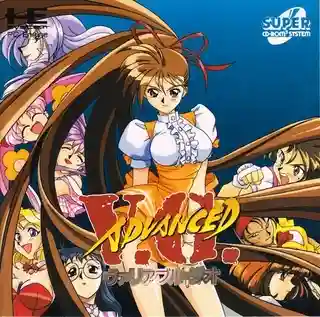
pceAction1996
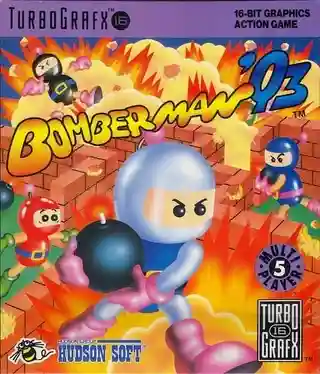
pceAction1993
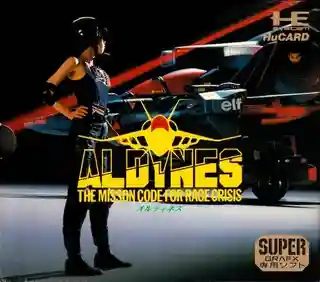
pceShoot 'em up
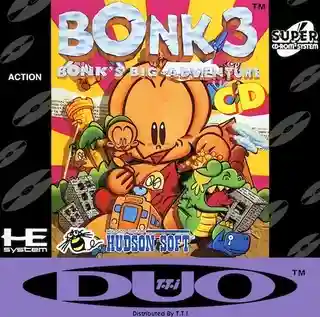
pcePlatformer
Bikkuriman World is a side-scrolling action RPG developed and published by Hudson Soft for the PC Engine in 1987. It adapts the characters and visual identity of the Bikkuriman franchise to a format strongly influenced by Wonder Boy in Monster Land. The player travels through dangerous areas, defeats enemies with a weapon, collects money, and improves equipment through shops and other encounters. Its combination of platforming, exploration, combat, and light role-playing systems made it a notable early PC Engine release. Reception has generally focused on its competent action design and faithful licensed presentation, although its close relationship to Wonder Boy in Monster Land is an important part of its historical identity.
Catalog entry maintained by EmuGamers Editorial Team
Community discussion
What are players saying? 0