
Yugi Muto
The central protagonist and one of the game’s major duelists.
Documented for this version
Arrow Pad | Move the cursor and navigate menus. |
|---|---|
A | Select a card, menu option, or command. |
B | Cancel or return to the previous menu. |
Start | Open or confirm the relevant game menu. |
How it plays
Duel Monsters II presents battles from a card-focused menu perspective. The objective is to reduce the opponent’s Life Points to zero by summoning monsters and using Magic and Trap cards.
Players advance through a sequence of duelists, earn or obtain additional cards, and improve a deck within the game’s construction rules. Each turn involves drawing, selecting a card, changing battle positions when permitted, attacking, and ending the turn. The game is primarily a single-player campaign, with link or multiplayer features depending on the release and hardware setup.
Plan your run
Build a reliable deck rather than relying only on high-attack monsters. Keep a balance of monsters, Magic cards, and Trap cards, and favor cards whose effects support your main plan.
Track attributes, summoning requirements, and Life Points carefully. Save stronger cards for decisive attacks, avoid wasting removal on minor threats, and use the campaign’s victories to refine the deck for tougher duelists.
Meet the cast
The central protagonist and one of the game’s major duelists.
A prominent rival and friend who appears as a dueling opponent.
A powerful rival and major late-game duelist.
The creator of Duel Monsters and a significant opponent.
Before you begin
Prioritize a consistent deck over a collection of individually powerful cards.
Check the opponent’s field before committing to an attack or tribute.
Use defensive cards to preserve Life Points while waiting for a stronger play.
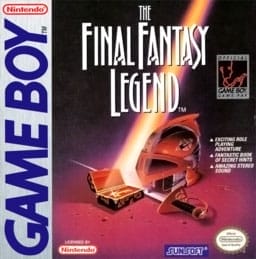
Game BoyRole-Playing Game
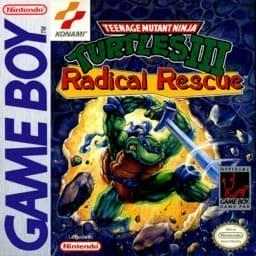
Game BoyAction-Adventure
Yu-Gi-Oh! Duel Monsters II: Dark Duel Stories is a turn-based collectible card game developed by Konami Computer Entertainment Japan and published by Konami for Game Boy. Players build a deck from monster, magic, and trap cards, then challenge duelists from the Yu-Gi-Oh! anime and manga setting. Battles use simplified rules inspired by the early trading card game, with summoning conditions, attribute matchups, and life-point management shaping each turn. The game combines a campaign of progressively stronger opponents with deck construction and card collection. Its reception was primarily tied to the appeal of Yu-Gi-Oh! during the franchise’s early video-game boom; critics and players generally recognized its large card roster while noting its simplified rules and limited presentation.
Catalog entry maintained by EmuGamers Editorial Team


Community discussion
What are players saying? 0