
Asterix
The small but exceptionally strong Gaulish warrior controlled by the player.
How it plays
The game uses a side-view action-platforming perspective. Asterix moves through individual stages, defeats Roman soldiers and other hazards, collects objects, and reaches the exit or required objective.
Progress depends on exploration as well as combat. Players must inspect routes, avoid traps, find pickups, and use the correct items or paths to continue through the adventure. Stages vary in layout and may include vertical sections, hazards, and enclosed areas.
Plan your run
Explore each area before moving on, since useful objects and alternate routes may be placed away from the main path. Avoid rushing into groups of Roman enemies or environmental hazards.
Preserve health whenever possible and learn the timing of enemy attacks. When progress appears blocked, search nearby platforms and rooms for an item, switch, or alternate passage rather than repeatedly attacking the obstacle.
Meet the cast
The small but exceptionally strong Gaulish warrior controlled by the player.
Asterix’s large companion, associated with the Gaulish village and its adventures.
The village druid whose magic and knowledge are part of the wider Asterix setting.
Before you begin
Search side paths for pickups and progress-critical objects.
Use short, controlled attacks around Roman enemies and traps.
Memorize hazardous sections before attempting them at speed.
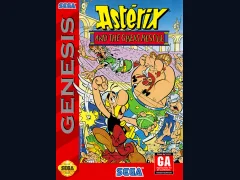
Asterix and the Power of the Gods is a 1995 action-platform adventure developed by Core Design and published by Infogrames for the Sega Genesis. It places the player in control of Asterix as he travels through hostile regions connected to the world of the original Asterix comics. The game combines side-scrolling movement, combat, exploration, item collection, and environmental obstacles rather than focusing solely on linear platforming. Asterix can defeat Roman enemies, negotiate hazards, and search stages for useful objects that open new routes. Its comic-book setting, recognizable characters, and varied locations gave it a clear identity, although contemporary reception was mixed, with criticism commonly directed at uneven difficulty and controls. It remains a distinctive 16-bit interpretation of the Asterix license.
Catalog entry maintained by EmuGamers Editorial Team



Community discussion
What are players saying? 0