
Klonoa
The series protagonist, a young dream traveler who investigates the strange events surrounding the Moonlight Museum.
How it plays
The game uses a side-view perspective. Klonoa must move through individual museum rooms, overcome hazards, activate mechanisms, and reach each stage’s exit.
Players run, jump, and use Klonoa’s wind-based ability to interact with enemies and the environment. Progress is structured around themed groups of puzzle-focused stages, with later rooms generally demanding more precise timing and observation.
Plan your run
Study each room before committing to a move. Many solutions depend on using an enemy or environmental object in the correct order, so rushing can leave Klonoa unable to progress.
Use the edges of platforms and safe spaces to control jumps. When a puzzle seems blocked, revisit earlier objects and look for a mechanism that changes the room rather than searching only for a new route.
Meet the cast
The series protagonist, a young dream traveler who investigates the strange events surrounding the Moonlight Museum.
Klonoa’s small, fairy-like companion and recurring partner in the Klonoa series.
Before you begin
Treat each room as a puzzle first and a platforming challenge second.
Memorize the order in which switches and interactive objects are used.
Practice movement near hazards before attempting a complete solution.
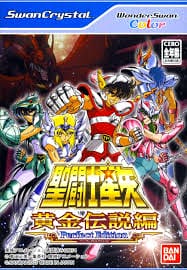
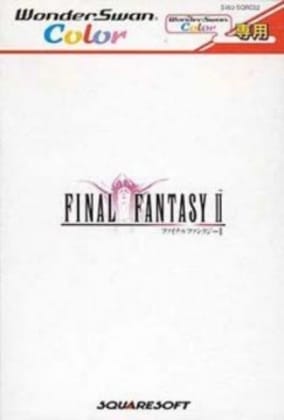
Bandai WonderSwanRole-Playing Game
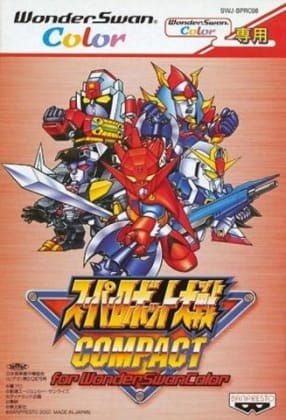
Bandai WonderSwanTactical RPG1999
Kaze no Klonoa: Moonlight Museum is a puzzle-platform game developed and published by Namco for the Bandai WonderSwan in 1999. It adapts Klonoa’s signature wind-based actions to a compact monochrome handheld format, with an emphasis on solving environmental puzzles rather than simply reaching the end of a stage. Klonoa explores a mysterious museum and its themed rooms while dealing with enemies, switches, hazards, and carefully arranged platforms. The game is a side story in the Klonoa series and is notable as the first Klonoa title released for a handheld system. Its specialized controls, inventive room layouts, and rarity have earned it a distinctive reputation among series collectors, although its Japanese-only release limited its audience outside Japan.
Catalog entry maintained by EmuGamers Editorial Team

Community discussion
What are players saying? 0