
Mega Man
The heroic combat robot who fights through Wily's robot uprising and gains defeated bosses' weapons.
Documented for this version
Arrow LeftArrow Right | Move left or right |
|---|---|
Arrow Up | Climb ladders or enter applicable doors |
A | Jump |
B | Fire the Mega Buster or equipped weapon |
Start | Pause the game |
How it plays
The game is viewed from a side-scrolling perspective. Mega Man travels through eight selectable Robot Master stages, defeats each boss, and takes that boss's weapon. Stages contain platforms, hazards, enemies, pits, and hidden or optional pickups.
After the main stages, the campaign continues through Dr. Wily's fortresses. Mega Man can switch between the Mega Buster and acquired weapons, while E-Tanks and other items support longer runs. The Game Boy version also introduces the shop system, allowing collected currency to be exchanged for useful support items.
Plan your run
Learn each stage's hazards before spending limited support items. The Mega Buster is dependable, but matching weapons to weaknesses can shorten difficult boss fights.
Explore carefully for pickups and save E-Tanks for fortress sections or unfamiliar boss patterns. The shop makes collected currency useful, so avoid wasting it early unless an item is immediately needed.
Meet the cast
The heroic combat robot who fights through Wily's robot uprising and gains defeated bosses' weapons.
The recurring antagonist responsible for the robot crisis and the fortress stages.
Before you begin
Use short, controlled jumps around pits and moving hazards.
Experiment with every acquired weapon; several boss weaknesses are much safer than direct Mega Buster attacks.
Keep reserve energy for the fortress sequence.
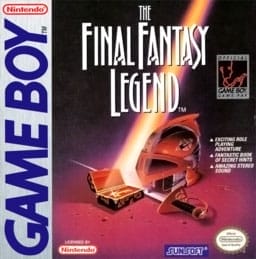
Game BoyRole-Playing Game
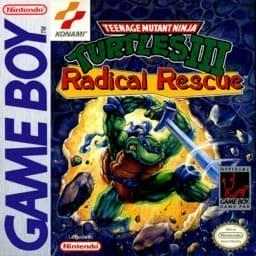
Game BoyAction-Adventure
Mega Man IV is a 1993 Game Boy action-platformer developed by Minakuchi Engineering and published by Capcom. It follows Mega Man as he responds to a new robot uprising orchestrated by Dr. Wily. The game uses side-scrolling stages, precise jumping, ranged attacks, and weapon acquisition as its core play style. Its eight main stages combine bosses adapted from earlier console games with new portable content, while later areas continue the story. Contemporary and retrospective reception generally recognizes it as one of the stronger entries in the Game Boy series, especially for its controls, varied weapons, and substantial campaign.
Catalog entry maintained by EmuGamers Editorial Team


Community discussion
What are players saying? 0