
Catalog activity ranking
Most-Played Mega Man Games in the EmuGamers Catalog
This page uses active Mega Man catalog entries and separates popularity signals from compatibility evidence. This activity ranking links directly to 10 catalog entries in the Mega Man collection.
What is the quick answer?
Mega Man V currently appears first in this activity ranking, followed by Mega Man 3 and Mega Man – The Sequel Wars Episode Red. Games with real community ratings are considered first; entries without votes are ordered by play activity. This is a catalog signal, not an independent editorial review.
Most-played Mega Man games
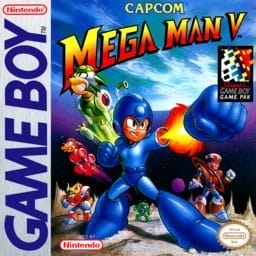
Mega Man V
Game BoyAction
Mega Man V is a side-scrolling action platformer developed and published by Capcom for the Game Boy. It follows Mega Man as he defends Earth from the Stardroids, alien robots who attack after the familiar Robot Masters are defeated. Unlike several earlier portable entries, the game uses an original setting, enemies, weapons, and bosses instead of adapting stages from the NES series. Players explore compact stages, defeat robot bosses, collect their weapons, and confront Dr. Wily's forces. Its responsive controls, distinctive science-fiction theme, and ambitious boss roster made it one of the strongest and most original Mega Man games on Game Boy, although the small screen and limited hardware remain noticeable.
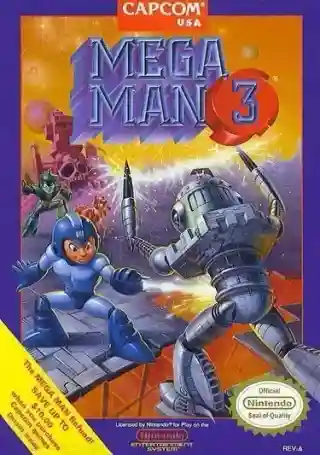
Mega Man 3
Nintendo Entertainment System (NES)Action Platformer
Mega Man 3 is a science-fiction action platformer developed and published by Capcom for the Nintendo Entertainment System. Players control Mega Man, a robotic hero sent by Dr. Light to stop a new group of Robot Masters and investigate the activities of the mysterious Proto Man. The game combines precise side-scrolling jumps, projectile combat, environmental hazards, and boss battles in a selectable stage structure. It expands the previous games with sliding, the Rush support robot, and larger stages. Mega Man 3 was commercially successful and is often remembered as one of the NES series' strongest entries, although its difficulty and uneven pacing have also received criticism.
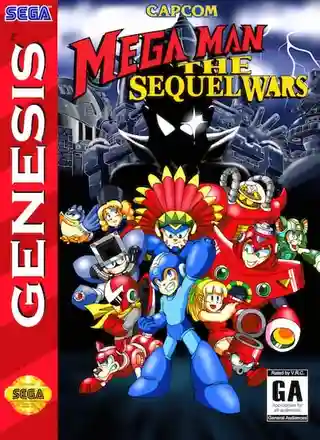
Mega Man – The Sequel Wars Episode Red
Sega GenesisAction1996
Mega Man – The Sequel Wars Episode Red is an unofficial Sega Genesis fan game inspired by Capcom’s Mega Man series. It is structured as a side-scrolling action platformer in which Mega Man confronts robot opponents across themed stages and advances by defeating bosses. The project aims to reproduce the visual, audio, and control style associated with 16-bit Mega Man games rather than present a new commercial sequel. Developer and publisher credits, as well as a verified release date, are not firmly established in the available reference information. Detailed contemporary reception is likewise difficult to document, although the project is notable within the homebrew and fan-game scene for targeting original Genesis hardware.
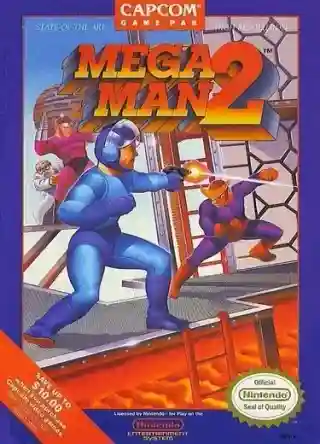
Mega Man 2
Nintendo Entertainment System (NES)Action
Mega Man 2 is a side-scrolling action platformer developed and published by Capcom for the Nintendo Entertainment System. Players control Mega Man, a robot hero fighting Dr. Wily and eight newly created Robot Masters. The game combines precise running and jumping with ranged combat, while defeated bosses provide weapons that can exploit other bosses' weaknesses. Its selectable stage order, memorable music, and more approachable difficulty made it a major improvement over the first game. Mega Man 2 was widely praised and became one of the NES's most influential action games, establishing conventions that shaped many later entries in the series.
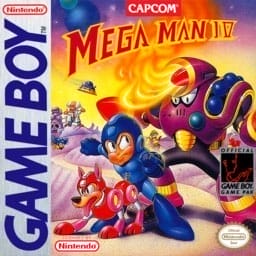
Mega Man IV
Game BoyPlatformer
Mega Man IV is a 1993 Game Boy action-platformer developed by Minakuchi Engineering and published by Capcom. It follows Mega Man as he responds to a new robot uprising orchestrated by Dr. Wily. The game uses side-scrolling stages, precise jumping, ranged attacks, and weapon acquisition as its core play style. Its eight main stages combine bosses adapted from earlier console games with new portable content, while later areas continue the story. Contemporary and retrospective reception generally recognizes it as one of the stronger entries in the Game Boy series, especially for its controls, varied weapons, and substantial campaign.
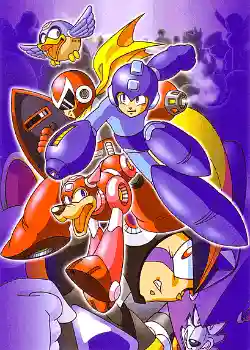
Mega Man: The Power Battle
Arcade SystemsAction
Mega Man: The Power Battle is a 1995 Capcom arcade action game and a compact spin-off of the Mega Man series. Players select Mega Man, Proto Man, or Bass and fight through a sequence of remixed Robot Master encounters before confronting a final threat. Its side-view format, selectable routes, rapid shooting, and two-player support make it closer to a boss-rush brawler than a conventional exploration platformer. The game was well received in arcades for its responsive controls, colorful presentation, and cooperative design. It was followed by Rockman 2: The Power Fighters, which expanded the formula with more characters and story-focused routes.
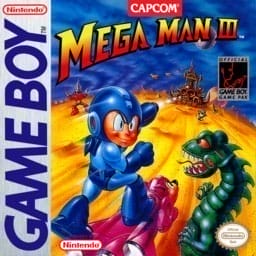
Mega Man III
Game BoyAction
Mega Man III is a side-scrolling action platformer developed by Minakuchi Engineering and published by Capcom for the Game Boy in 1992. It follows Mega Man as he responds to another threat engineered by Dr. Wily, fighting through compact stages, defeating Robot Masters, and claiming their weapons. The game combines original Game Boy material with ideas drawn from the NES series, giving it a distinct but familiar structure. Its play style centers on precise jumping, shooting, enemy pattern recognition, and choosing useful weapons for each encounter. Contemporary and retrospective reception has generally recognized its enjoyable design and soundtrack, while noting the Game Boy screen limitations and occasional difficulty.
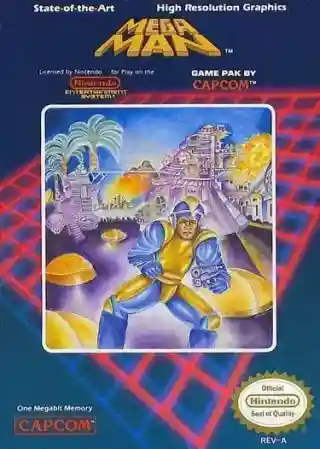
Mega Man
Nintendo Entertainment System (NES)Action
Mega Man is Capcom's 1987 action-platformer for the Nintendo Entertainment System. The game follows the heroic robot Mega Man as he fights through six Robot Master stages after Dr. Wily turns the robots created by Dr. Light against humanity. Each stage combines precise jumping, enemy patterns, environmental hazards, and a boss encounter. Players can choose the initial stages in any order, then take the weapons of defeated Robot Masters and use their weaknesses to shape the route forward. The game is compact but demanding, with limited recovery resources and lives. Its crisp controls, memorable boss designs, and distinctive weapon system established the series' core formula, although contemporary reception also noted its high difficulty and rough balance.
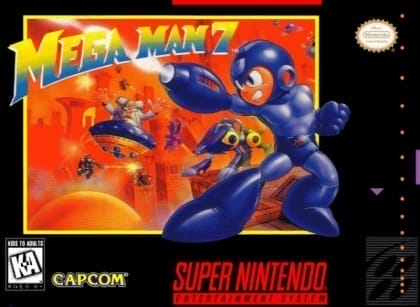
Mega Man 7
Super Nintendo (SNES)Action
Mega Man 7 is a 1995 action-platform game developed and published by Capcom for the Super Nintendo Entertainment System. It follows Mega Man as he responds to Dr. Wily's escape and confronts a new group of Robot Masters, while the mysterious Bass and Treble enter the conflict. The game combines precise side-scrolling platforming with run-and-gun combat, selectable stages, weapon-based weaknesses, and exploration for upgrades. Its colorful 16-bit presentation marked a visual shift from the earlier NES entries. Contemporary reception was generally positive, although some critics found its pacing and controls less exact than the strongest classic installments. It remains a substantial and visually distinctive chapter in the original Mega Man series.
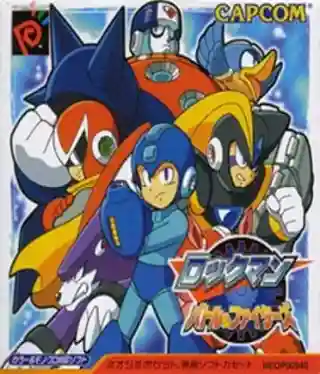
Rockman: Battle & Fighters
Neo Geo PocketAction
Rockman: Battle & Fighters is a 2000 Neo Geo Pocket Color action game developed and published by Capcom. It adapts the arcade boss-rush design of Mega Man: The Power Battle and Mega Man 2: The Power Fighters into a compact handheld format. Players choose a familiar hero, fight through a sequence of robot-master encounters, and gain new weapons from defeated bosses. The game emphasizes short, direct battles rather than traditional platforming stages, with movement, jumping, shooting, and weapon selection at its core. Its reduced presentation reflects the handheld hardware, but the responsive combat and recognizable character roster made it a notable portable take on the arcade spin-offs.
How is this list kept current?
How rankings are calculated
The list is generated from active EmuGamers catalog entries. Votes and play activity determine order; browser compatibility is reported separately and does not turn an untested game into a higher-ranked recommendation.
| Order | Signal | How it is used |
|---|---|---|
| 1 | Real community votes | Games with at least one recorded vote appear before games with no votes. |
| 2 | Rating confidence | More votes rank first, followed by the rating value. |
| 3 | Play activity | Play count breaks rating ties and orders entries with no votes. |
| 4 | Stable tie-break | Game name keeps otherwise equal results deterministic. |
Which sources support further research?
Official sources and catalog provenance
The ranked games come from the EmuGamers database. The links below are related official project updates used for emulator support and preservation context; they are not citations for the ranking order.