
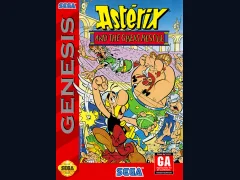
Asterix and the Great Rescue
Sega GenesisPlatformer
How it plays
Players take turns rolling dice, moving around the board, and deciding whether to buy unowned properties. Owned spaces generate rent, while completing color groups enables property improvements such as houses and hotels. Chance, Community Chest, taxes, railroads, utilities, jail, and other familiar spaces affect progress.
Games can include human and computer-controlled participants. The main objective is to remain financially solvent while weakening opponents through rent, trades, and development. Progress is determined by property ownership, cash reserves, mortgages, and negotiated exchanges rather than character levels or unlockable stages.
Plan your run
Prioritize completing color groups, but do not spend so aggressively that you cannot pay rent or taxes. Property trades should be evaluated by the full set they create, not only by the cash exchanged.
Build evenly across a completed group when possible, keep a reserve for costly rolls, and mortgage low-value properties before giving up a valuable monopoly. Railroads can provide dependable income, while utilities are generally more situational.
Monopoly is a digital adaptation of Parker Brothers’ property-trading board game, developed for the Sega Genesis by Sculptured Software. It preserves the familiar premise: players move around a city-themed board, buy available properties, charge rent, and try to drive their opponents into bankruptcy. The game is primarily turn-based and menu-driven, with computer opponents handling rolls and transactions when selected. Its appeal comes from negotiation, risk management, and the changing value of property groups rather than reflex-based action. Reception was generally tied to how faithfully it reproduced the board game and how convenient it was for solo play, while the limited presentation and slow pace reflected the hardware and the genre’s traditional structure.
Catalog entry maintained by EmuGamers Editorial Team


Community discussion
What are players saying? 0