
Sonic
The blue hedgehog hero of the series, known for extreme speed and agile jumps.
How it plays
The game uses a side-scrolling perspective where players guide Sonic or Tails through custom tracks filled with loops, ramps, hazards, and item elements. Stages emphasize momentum control, route choice, and maintaining speed without losing rings. Some content is designed around competitive two-player ideas, while overall progression comes from clearing stage segments efficiently and surviving obstacles.
Plan your run
Learn stage layouts before trying to maximize speed, since blind rushing often causes ring loss. Watch for slopes, loops, and hazards that punish poor timing. Keeping a small reserve of rings improves survivability, and safer route choices can outperform risky shortcuts. In competitive play, consistency and familiarity with the track matter more than constant full-speed movement.
Meet the cast
The blue hedgehog hero of the series, known for extreme speed and agile jumps.
Sonic’s fox companion, recognizable by his twin tails and association with cooperative or alternate play.
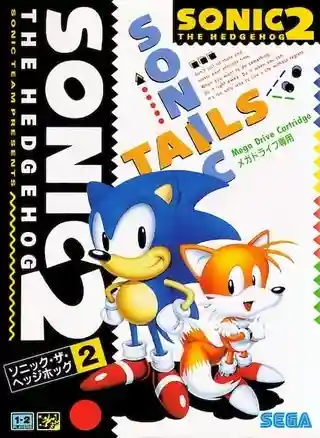
Sonic the Hedgehog 2 for arcades was released by Sega in 1993 as a fast-paced action title built around speed and competitive play. It carries over the series’ trademark loops, slopes, and ring-based survival, but its structure leans more toward race-like progression and head-to-head arcade design. Though less famous than the console release, it remains notable for its rarity and unusual format.
Catalog entry maintained by EmuGamers Editorial Team


Community discussion
What are players saying? 0