
Catalog activity ranking
Most-Played Puyo Puyo Games in the EmuGamers Catalog
This page uses active Puyo Puyo catalog entries and separates popularity signals from compatibility evidence. This activity ranking links directly to 5 catalog entries in the Puyo Puyo collection.
What is the quick answer?
Super Puyo Puyo currently appears first in this activity ranking, followed by Puyo Puyo 7 and Puyo Puyo. Games with real community ratings are considered first; entries without votes are ordered by play activity. This is a catalog signal, not an independent editorial review.
Most-played Puyo Puyo games
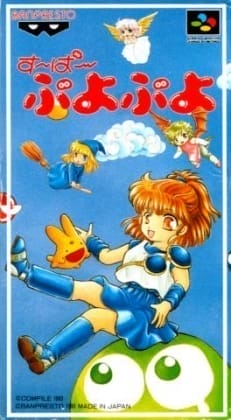
Super Puyo Puyo
Super Nintendo (SNES)Puzzle
Super Puyo Puyo is a competitive falling-block puzzle game developed by Compile and published by Banpresto for the Super Famicom in 1993. Players guide pairs of colored Puyos into a vertical well, connect four or more matching Puyos, and use chain reactions to clear them. The game includes a one-player progression mode and competitive two-player matches, with its cast providing a lighthearted fantasy framing. Its fast chaining system rewards planning rather than simple line clearing. Super Puyo Puyo was well received in Japan for translating the arcade-style Puyo Puyo formula effectively to Nintendo's 16-bit hardware and became an important early entry in the long-running series.
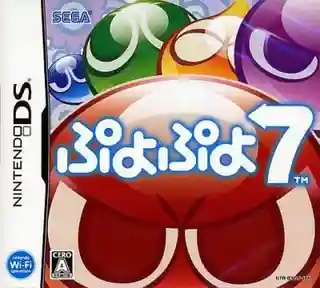
Puyo Puyo 7
Nintendo DSPuzzle2009
Puyo Puyo 7 is a competitive falling-block puzzle game developed by Sonic Team and published by Sega for Nintendo DS. Players place pairs of colored Puyos, matching four or more of the same color to clear them and send nuisance Puyos to an opponent. Its central feature is Great Transformation, which temporarily changes the board between large and small formats and alters the rhythm of chain building. The DS edition includes a story campaign, solo modes, and multiplayer options suited to local play. Its colorful presentation and large cast continue the series' character-driven style, while the transformation system adds a new layer to familiar chain tactics. Reception generally recognized its accessible rules, depth, and lively multiplayer, although the new mechanic divided players who preferred the more traditional format.
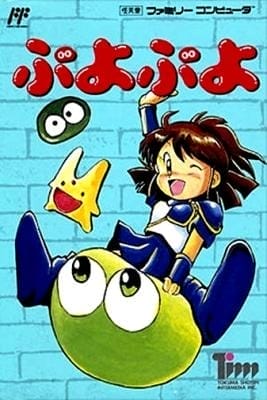
Puyo Puyo
Nintendo Entertainment System (NES)Puzzle
Puyo Puyo is a falling-block action puzzle game developed by Compile and released for Nintendo's Japanese 8-bit platform in 1991. Players guide pairs of colorful Puyos into a vertical playfield, matching four or more of the same color to clear them. The central appeal is building chain reactions rather than simply removing isolated pieces. The game includes a one-player opponent ladder and competitive play, with garbage Puyos sent to an opponent after successful chains. Its clear rules, escalating challenge, and character-driven presentation established the foundation for one of Japan's most enduring puzzle franchises. The NES/Famicom version is an early console form of the series and is historically notable for its focused competitive design.
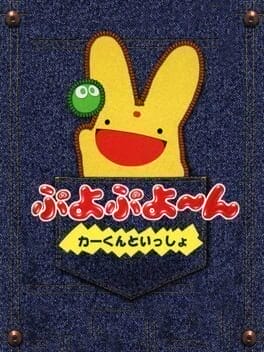
Puyo Puyo 4: Car-kun to Issho
psPuzzle
Puyo Puyo 4: Car-kun to Issho is a Japanese competitive falling-block puzzle game developed and published by Compile for PlayStation. Players connect matching Puyos to create chains, clear their own field, and send nuisance garbage to an opponent. The game combines the series' familiar versus rules with character-specific abilities, giving story battles a more varied rhythm than standard Puyo Puyo. Its presentation is colorful and character-driven, with Arle and Carbuncle at the center of the adventure. Reception generally recognized it as a substantial and inventive sequel, although its Japan-only release and unusual mechanics made it less widely known than later entries.
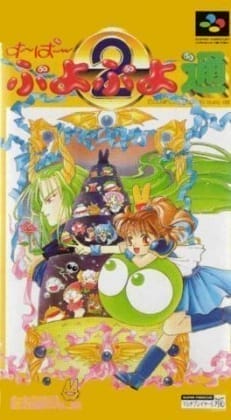
Super Puyo Puyo Tsū
Super Nintendo (SNES)Puzzle
Super Puyo Puyo Tsū is a competitive falling-block puzzle game developed by Compile for the Super Nintendo. Players guide pairs of colored Puyos into a playing field, connect four or more matching pieces, and create chain reactions. Its defining innovation is the offsetting system: incoming garbage can be countered by building and activating chains. The game includes solo and two-player competition, with a campaign-style route built around battles against opponents. Released in Japan in 1994, it was highly regarded for its deeper strategy, responsive controls, and strong balance between accessible rules and advanced chain planning. It became one of the most influential entries in the Puyo Puyo series.
How is this list kept current?
How rankings are calculated
The list is generated from active EmuGamers catalog entries. Votes and play activity determine order; browser compatibility is reported separately and does not turn an untested game into a higher-ranked recommendation.
| Order | Signal | How it is used |
|---|---|---|
| 1 | Real community votes | Games with at least one recorded vote appear before games with no votes. |
| 2 | Rating confidence | More votes rank first, followed by the rating value. |
| 3 | Play activity | Play count breaks rating ties and orders entries with no votes. |
| 4 | Stable tie-break | Game name keeps otherwise equal results deterministic. |
Which sources support further research?
Official sources and catalog provenance
The ranked games come from the EmuGamers database. The links below are related official project updates used for emulator support and preservation context; they are not citations for the ranking order.