
Catalog activity ranking
Most-Played Might and Magic Games in the EmuGamers Catalog
This page uses active Might and Magic catalog entries and separates popularity signals from compatibility evidence. This activity ranking links directly to 9 catalog entries in the Might and Magic collection.
What is the quick answer?
Heroes of Might and Magic: A Strategic Quest currently appears first in this activity ranking, followed by Might and Magic Book One: The Secret of the Inner Sanctum and Might and Magic III: Isles of Terra. Games with real community ratings are considered first; entries without votes are ordered by play activity. This is a catalog signal, not an independent editorial review.
Most-played Might and Magic games
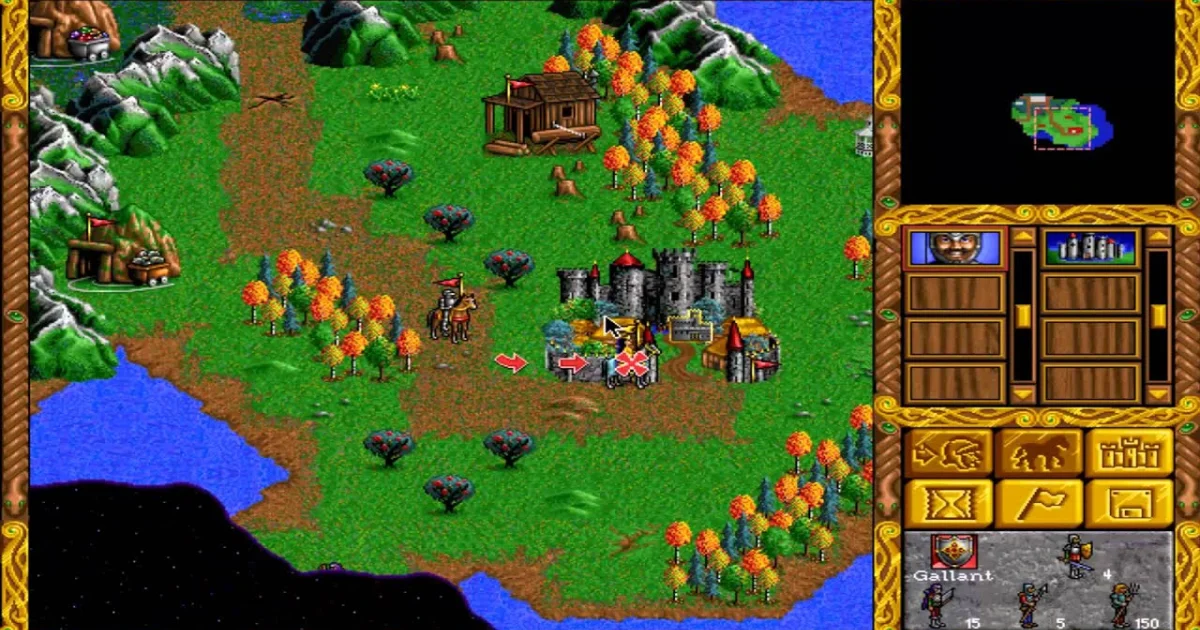
Heroes of Might and Magic: A Strategic Quest
DOSTurn-based strategy
Heroes of Might and Magic: A Strategic Quest is a turn-based fantasy strategy game developed and published by New World Computing for DOS. The player leads a hero across an overhead map, captures towns, gathers resources, recruits creatures, and builds a growing kingdom. Battles are resolved on a separate tactical field, while exploration and town development shape each campaign. Its accessible combination of role-playing progression and strategic management helped establish the Heroes formula. Contemporary reception was generally positive, with particular praise for its approachable interface, colorful fantasy setting, and satisfying mix of exploration and combat, although its scope is smaller than later entries.
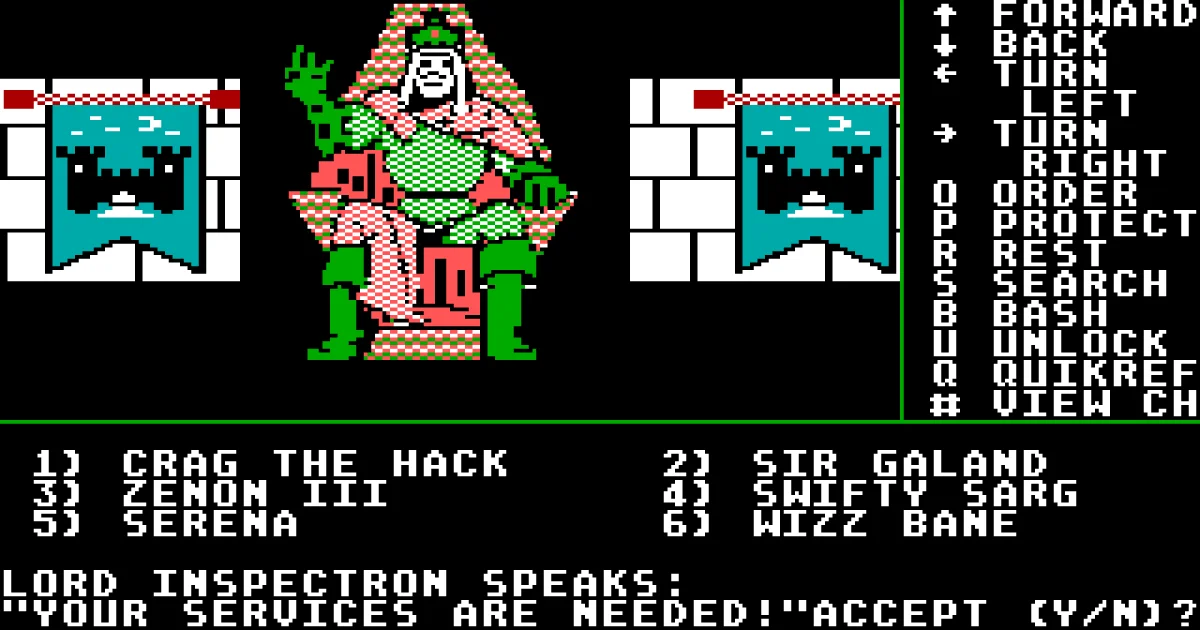
Might and Magic Book One: The Secret of the Inner Sanctum
DOSRole-Playing
Might and Magic Book One: The Secret of the Inner Sanctum is a first-person computer role-playing game developed and published by New World Computing for DOS in 1986. The player creates a party of adventurers and explores the land of Varn, combining wilderness travel, towns, dungeons, quests, and turn-based combat. Its central mystery concerns the Inner Sanctum and the activities of the enigmatic Corak and Sheltem. Character statistics, classes, equipment, spells, and experience shape the party over a lengthy campaign. The game was historically notable for its unusually broad world and ambitious blend of fantasy and science-fiction ideas, although its interface and difficulty can feel demanding by later standards.
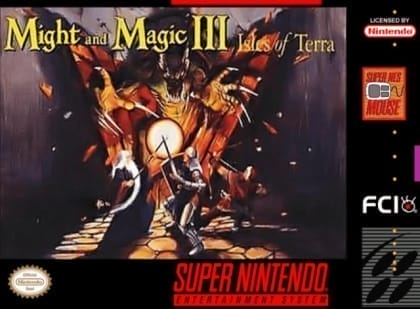
Might and Magic III: Isles of Terra
Super Nintendo (SNES)Role-Playing
Might and Magic III: Isles of Terra is a first-person fantasy role-playing game developed by New World Computing. The player leads a party of adventurers across the fragmented Isles of Terra while investigating the conflict between the cosmic beings Corak and Sheltem. Exploration, turn-based battles, character development, and equipment management form the core play style. The SNES version adapts the earlier computer release for a console interface, retaining grid-based movement, a large overworld, towns, dungeons, and a party-building system. It was generally regarded as an ambitious console conversion, although its complex menus and slower interface could be demanding for players unfamiliar with computer-style RPGs.
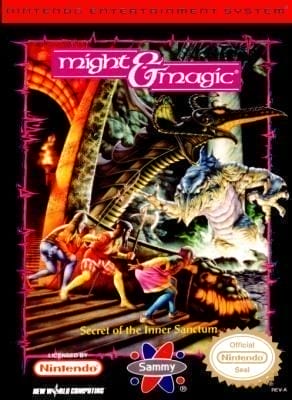
Might and Magic: Secret of the Inner Sanctum
Nintendo Entertainment System (NES)Role-Playing
Might and Magic: Secret of the Inner Sanctum is a first-person fantasy role-playing game developed by New World Computing and adapted for the Nintendo Entertainment System. The player forms a party of adventurers and explores the lands of Varn while investigating the mysterious Inner Sanctum and the conflict between Corak and Sheltem. Exploration, turn-based battles, character development, equipment, and spell management are central to play. The NES version translates the computer original into a controller-based format with towns, outdoor areas, dungeons, and maze-like interiors. Its large world and detailed party systems were ambitious for a console RPG, although the interface and navigation can feel demanding. It remains historically important as an early console adaptation of a substantial Western computer role-playing game.
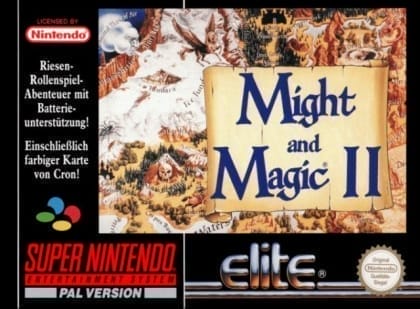
Might and Magic II: Gates to Another World
Super Nintendo (SNES)Role-Playing Game
Might and Magic II: Gates to Another World is a first-person fantasy role-playing game developed for the Super Nintendo by Iguana Entertainment and based on New World Computing's computer RPG. The player forms a party of adventurers and explores the world of CRON, completing quests, gathering treasure, and confronting the Guardian Sheltem. The game combines grid-based dungeon exploration with turn-based combat, character development, spell casting, and extensive equipment management. Its large world, six-character party, and open-ended quest structure make it a substantial console RPG for its era. Reception generally recognized the depth and ambition of the original design, although the interface and amount of text can feel demanding compared with more streamlined SNES role-playing games.
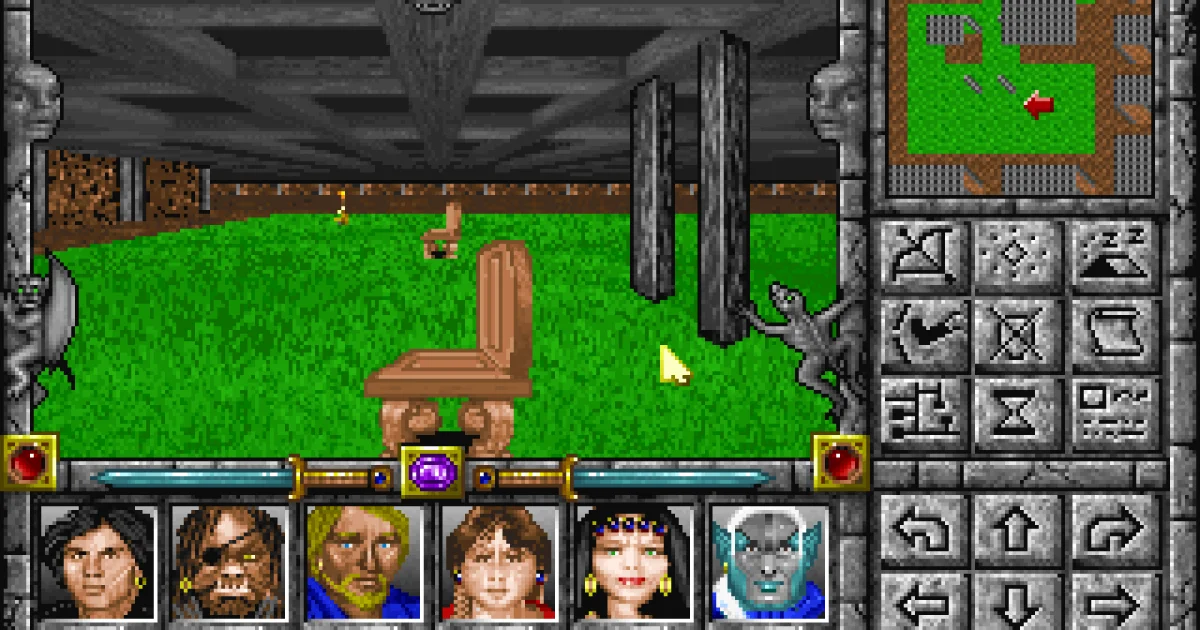
Might and Magic: Clouds of Xeen
DOSRole-Playing Game
Might and Magic: Clouds of Xeen is a first-person computer role-playing game developed and published by New World Computing for DOS in 1992. It continues the series with a new party of adventurers exploring the world of Xeen, where the tyrannical Lord Xeen threatens the inhabitants and the balance between its realms. The game combines grid-based exploration, turn-based combat, character development, dungeon puzzles, and a large collection of quests. Players create and manage a six-member party, recruit additional help, and improve their abilities through experience and equipment. Critics and players generally regarded it as a strong continuation of the series, particularly for its expanded world and substantial quest content.
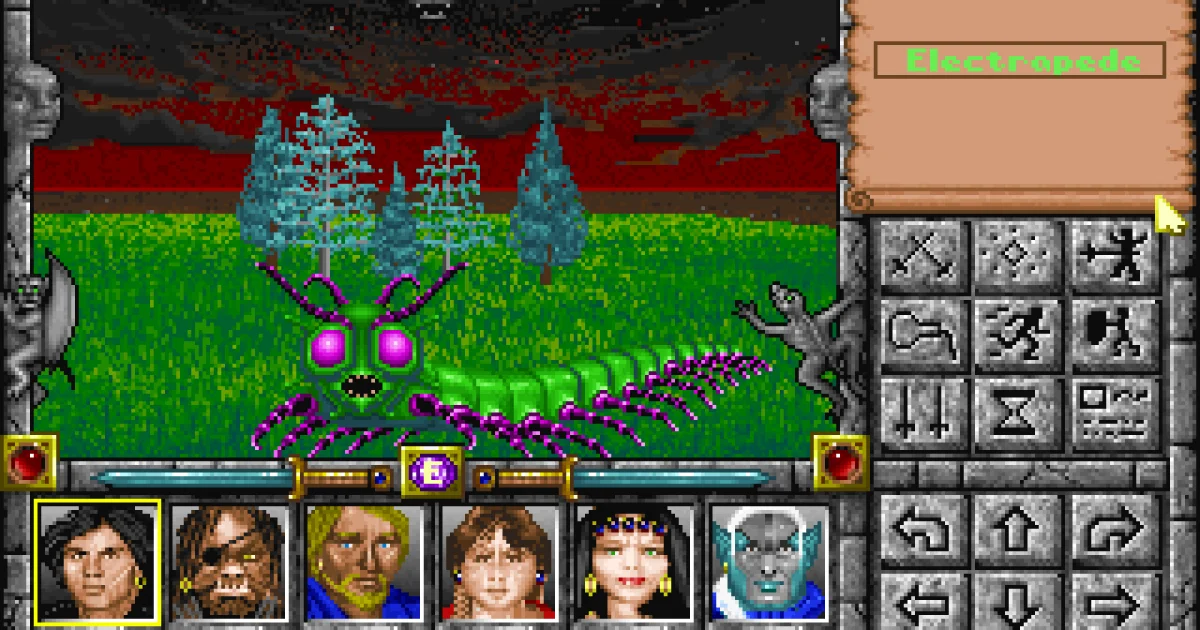
Might and Magic V: Darkside of Xeen
DOSRole-Playing
Might and Magic V: Darkside of Xeen is a first-person fantasy role-playing game developed and published by New World Computing for DOS in 1993. It continues the Xeen storyline on the planet's dark side, where the party must oppose Lord Xeen and uncover the cause of the world's division. The game combines open-ended exploration with turn-based combat, character development, dungeon puzzles, and a large collection of quests. Players create or recruit a party, improve its abilities through experience and equipment, and travel between towns, wilderness areas, castles, and dungeons. Contemporary reception generally praised its scale, depth, and satisfying conclusion to the Xeen arc, while noting that its interface and presentation remained firmly rooted in classic computer RPG design.
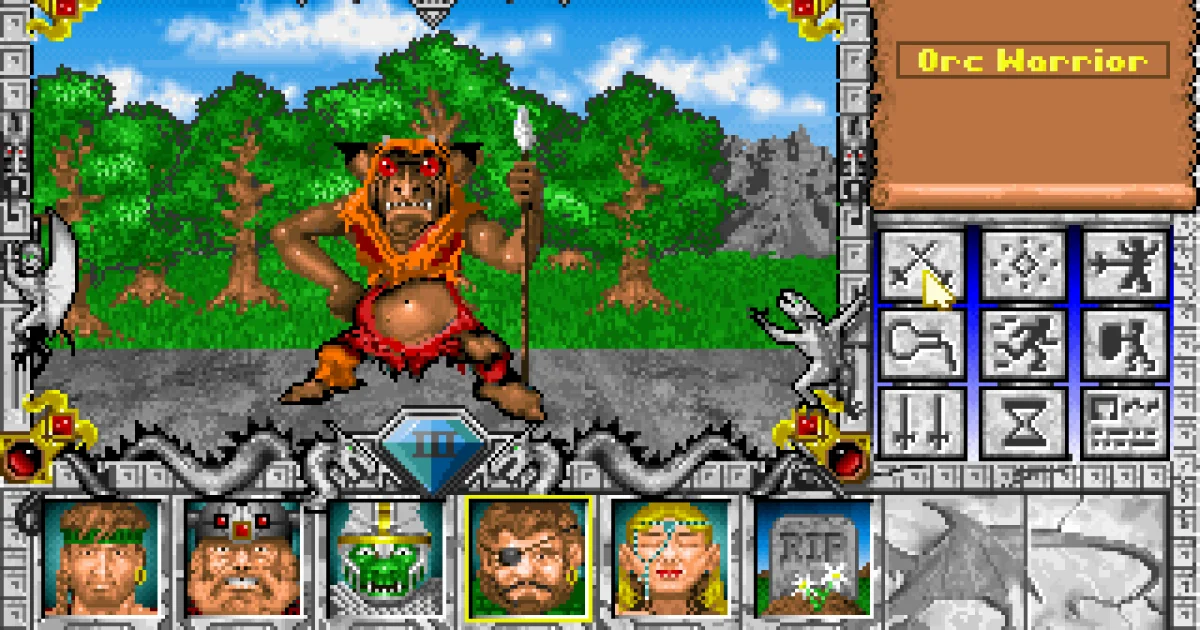
Might and Magic III: Isles of Terra
DOSRole-Playing Game
Might and Magic III: Isles of Terra is a first-person, party-based computer role-playing game developed and published by New World Computing for DOS in 1991. The adventure takes place across the Isles of Terra, where a created party investigates the conflict involving the alien guardians Corak and Sheltem while seeking the means to survive a dangerous, interconnected world. Exploration uses a grid-based first-person view, while combat shifts to turn-based commands against groups of monsters. Players build and manage a six-member party, improve classes and statistics, gather equipment, solve puzzles, and complete quests. The game was widely regarded as a major technical and design improvement over its predecessors, particularly for its colorful VGA presentation, larger environments, and more flexible adventuring systems.
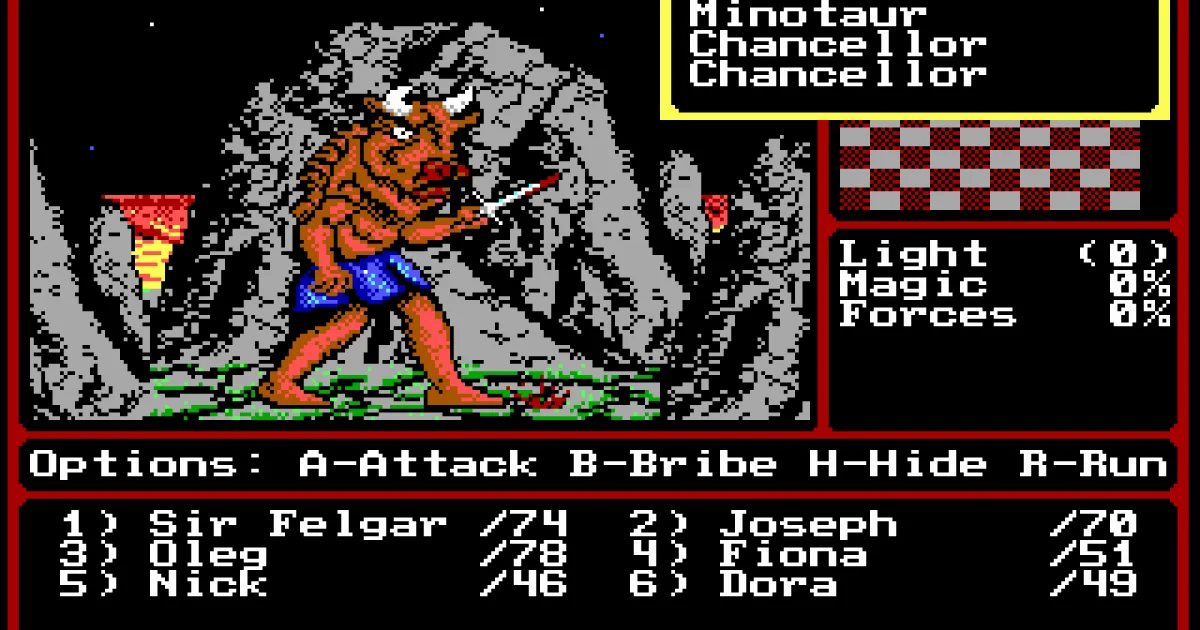
Might and Magic II: Gates to Another World
DOSRole-Playing Game
Might and Magic II: Gates to Another World is a first-person, party-based computer role-playing game developed and published by New World Computing. Released for DOS in 1988, it continues the series' blend of maze-like exploration, town services, character development, and turn-based combat. Players assemble a party of adventurers and investigate the lands of CRON, where the conflict involving Corak and Sheltem provides the broader narrative context. The game is deliberately systems-heavy, requiring careful management of statistics, spells, equipment, food, and travel. Contemporary and later reception commonly praised its scale, depth, and freedom, while also noting its demanding interface and limited guidance. Its open-ended structure and substantial character-building options helped establish the design foundations of later Might and Magic games.
How is this list kept current?
How rankings are calculated
The list is generated from active EmuGamers catalog entries. Votes and play activity determine order; browser compatibility is reported separately and does not turn an untested game into a higher-ranked recommendation.
| Order | Signal | How it is used |
|---|---|---|
| 1 | Real community votes | Games with at least one recorded vote appear before games with no votes. |
| 2 | Rating confidence | More votes rank first, followed by the rating value. |
| 3 | Play activity | Play count breaks rating ties and orders entries with no votes. |
| 4 | Stable tie-break | Game name keeps otherwise equal results deterministic. |
Which sources support further research?
Official sources and catalog provenance
The ranked games come from the EmuGamers database. The links below are related official project updates used for emulator support and preservation context; they are not citations for the ranking order.