Catalog activity ranking
Most-Played Mortal Kombat Games in the EmuGamers Catalog
This page uses active Mortal Kombat catalog entries and separates popularity signals from compatibility evidence. This activity ranking links directly to 10 catalog entries in the Mortal Kombat collection.
What is the quick answer?
Mortal Kombat 4 currently appears first in this activity ranking, followed by Mortal Kombat 3 and Mortal Kombat. Games with real community ratings are considered first; entries without votes are ordered by play activity. This is a catalog signal, not an independent editorial review.
Most-played Mortal Kombat games
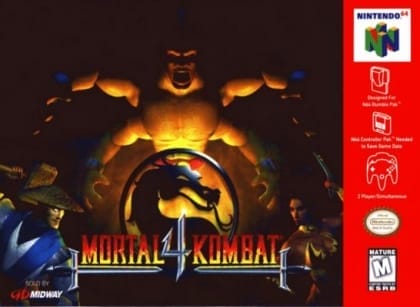
Mortal Kombat 4
Nintendo 64Fighting
Mortal Kombat 4 is a one-on-one fighting game developed and published by Midway Games for the Nintendo 64. It continues the series with a tournament centered on the fallen Elder God Shinnok, who seeks power over the realms after escaping imprisonment. The game retains the series' digitized combatants, special moves, finishing techniques, and dark supernatural tone while adding limited three-dimensional movement and weapons. Its roster combines returning fighters such as Scorpion, Sub-Zero, Raiden, and Liu Kang with newcomers including Kai, Fujin, Jarek, and Tanya. The Nintendo 64 version was generally recognized as a solid console adaptation, though its presentation and smaller storage capacity required compromises compared with the arcade original.
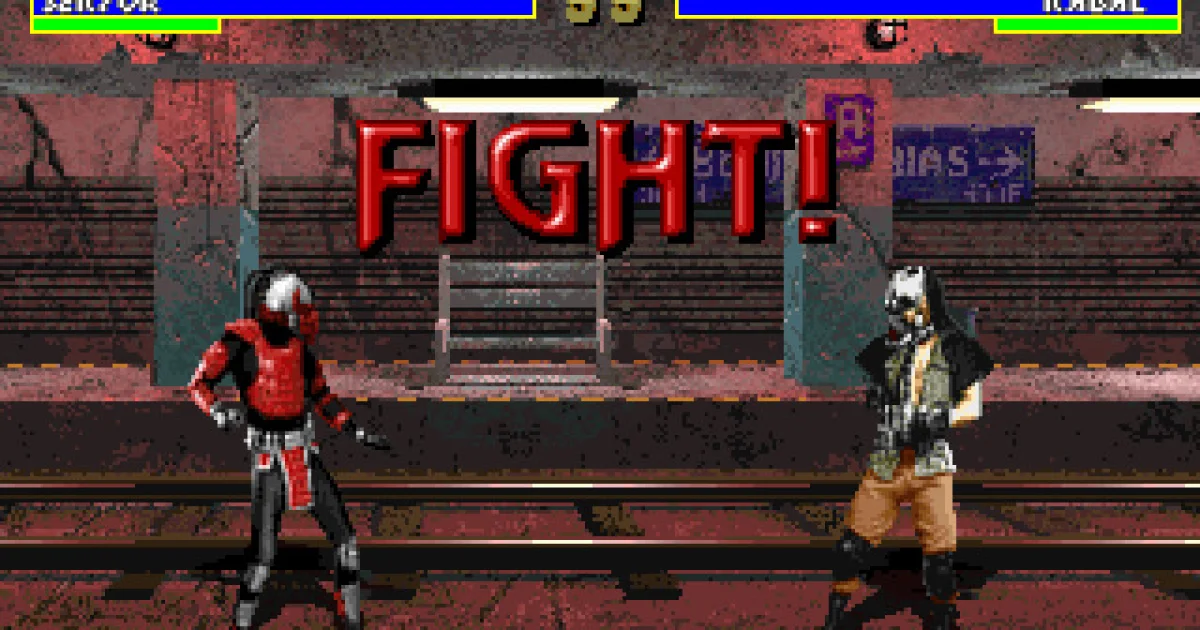
Mortal Kombat 3
DOSFighting
Mortal Kombat 3 is a one-on-one fighting game developed and published by Midway Games. The DOS version brings the arcade sequel's roster, arenas, finishing moves, and tournament structure to IBM-compatible computers. Players choose a warrior and fight through a ladder of increasingly difficult opponents while resisting Shao Kahn's invasion of Earthrealm. Its play style combines high, low, and jumping attacks with special moves, chain combos, and character-specific fatalities. The game was received as a technically ambitious sequel with fast combat and notable additions, although some players considered its roster and tone less satisfying than Mortal Kombat II. The DOS conversion is historically significant but differs in performance and presentation from the arcade original.
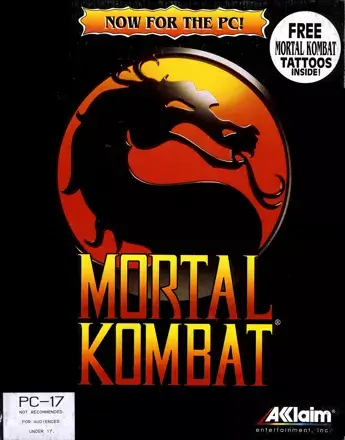
Mortal Kombat
Arcade SystemsFighting
Mortal Kombat is a one-on-one fighting game developed by Midway Manufacturing and released for arcades in 1992. It presents a martial-arts tournament in which Earthrealm champions face supernatural and otherworldly opponents. The game uses digitized performer imagery, a five-button control layout, and a dramatic presentation that helped distinguish it from contemporary fighters. Players select from a small roster with different special moves and fight through a sequence of increasingly difficult matches. Its bloodier presentation and finishing moves attracted controversy, but the game was also a major commercial and cultural success. Mortal Kombat established a long-running fighting series and became one of the most recognizable arcade games of its era.
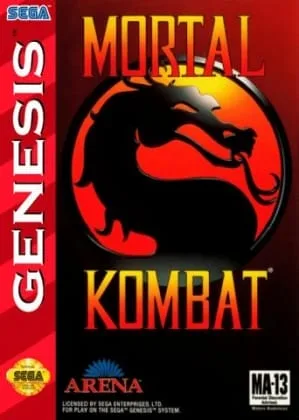
Mortal Kombat
Sega GenesisFighting
Mortal Kombat is a one-on-one fighting game developed for the Sega Genesis by Probe Software and published by Acclaim Entertainment. It presents a martial-arts tournament in which Earthrealm champions face warriors from the hostile realm of Outworld. Matches combine punches, kicks, special moves, blocking, jumping, and finishing techniques. The Genesis version is a home conversion of the arcade game, featuring its main roster, tournament progression, and secret encounters. Its reception was shaped by the controversy surrounding the series’ violence and by comparisons with the more complete Super NES release. The Genesis edition became especially notable because a code restores blood and fatalities that were altered in the standard version.
Mortal Kombat II
DOSFighting
Mortal Kombat II is a one-on-one fighting game developed for DOS by Probe Entertainment and published by Acclaim Entertainment. It adapts Midway's 1993 arcade sequel, in which Earthrealm's champions enter Outworld to confront Shao Kahn and his forces. Matches combine traditional attacks with special moves, throws, stage hazards, Fatalities, and other finishing techniques. The DOS version preserves the series' violent presentation and broad roster while making the arcade formula available on home computers. The game was widely praised for its deeper combat, memorable characters, distinctive arenas, and large set of secrets, although home versions could differ from the arcade release in audiovisual quality and responsiveness.
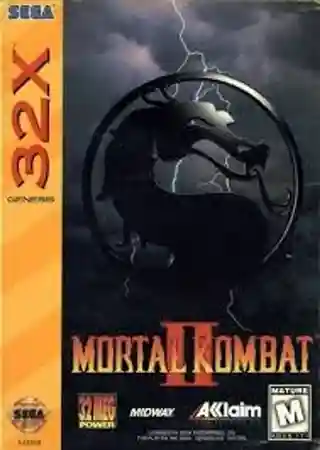
Mortal Kombat II
Sega 32XFighting
Mortal Kombat II is a one-on-one fighting game developed for the Sega 32X by Probe Entertainment and published by Acclaim Entertainment. It follows Earthrealm's warriors into Outworld, where they must defeat Shao Kahn's forces in a dangerous tournament. The game combines traditional arcade fighting with special moves, screen transitions, taunts, Fatalities, and other finishing techniques. The 32X version is based on the arcade sequel and features a large roster, digitized fighters, multiple game modes, and the series' distinctive violent presentation. Mortal Kombat II was widely received as a major improvement over its predecessor, especially for its deeper combat system, memorable characters, and expanded content.
Mortal Kombat 4
DOSFighting
Mortal Kombat 4 is a 1998 fighting game developed by Midway Games and released for DOS by GT Interactive. It continues the series’ one-on-one combat while moving the fighters and arenas into polygonal 3D presentation. The core premise follows Earthrealm’s defenders as they oppose the fallen Elder God Shinnok and his allies. Matches emphasize special moves, finishing techniques, arena hazards, and temporary weapons rather than realistic martial-arts simulation. The DOS version preserves the arcade structure: choose a fighter, defeat a sequence of opponents, and reach the character-specific ending. Its transition from digitized sprites to 3D models received a mixed historical response, but the weapon system and expanded story gave the game a distinct identity. It remains an important transitional entry in the series’ history.
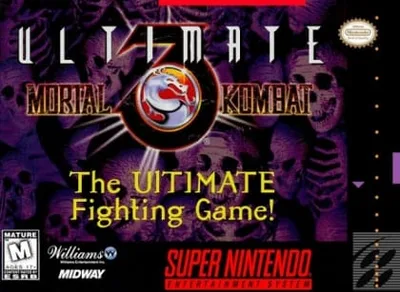
Ultimate Mortal Kombat 3
Super Nintendo (SNES)Fighting
Ultimate Mortal Kombat 3 is a 2D arcade fighting game developed for the Super NES by Sculptured Software and published by Williams Entertainment. It expands the Mortal Kombat formula with a larger roster, faster combat, chain combos, new arenas, and additional tournament modes. Players choose a warrior and fight through increasingly difficult opponents while confronting Shao Kahn’s invasion of Earthrealm. The SNES version is technically reduced from the arcade release, but it remains a substantial home conversion with familiar characters, fatalities, and competitive one-on-one play. Reception generally praised its content and speed while noting compromises in graphics, sound, and some roster details.
Mortal Kombat
DOSFighting
Mortal Kombat is a one-on-one fighting game developed for DOS by Probe Software and published by Acclaim Entertainment in 1993. It adapts Midway's arcade original, combining traditional martial-arts combat with digitized actors, distinctive special moves, and finishing techniques. Players select a warrior and fight through a tournament against a roster of human, supernatural, and monster opponents, eventually facing Goro and Shang Tsung. The DOS version preserves the recognizable character lineup and core rules, although its audiovisual presentation and responsiveness depend heavily on the computer configuration. The game was historically notable for its graphic violence, memorable characters, and influence on fighting-game design. It received substantial attention and helped establish Mortal Kombat as a major arcade franchise.
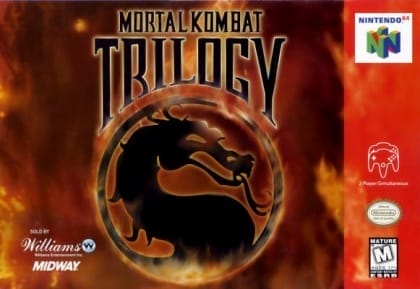
Mortal Kombat Trilogy
Nintendo 64Fighting
Mortal Kombat Trilogy is a 1996 arcade-style fighting game developed and published by Midway Games for the Nintendo 64. It brings together a large selection of fighters, stages, moves, and finishing techniques from earlier Mortal Kombat releases, presenting them in one expanded package. Matches are one-on-one battles viewed from a side perspective, with punches, kicks, special moves, defensive play, and Fatalities defining the series’ identity. The Nintendo 64 version is notable for adapting the broad Trilogy roster to cartridge hardware, although it does not contain every feature found in other versions. Its fast matches, familiar characters, digitized presentation, and extensive unlockable content made it a popular console fighting game, while reviews also noted technical compromises and omissions compared with the arcade experience.
How is this list kept current?
How rankings are calculated
The list is generated from active EmuGamers catalog entries. Votes and play activity determine order; browser compatibility is reported separately and does not turn an untested game into a higher-ranked recommendation.
| Order | Signal | How it is used |
|---|---|---|
| 1 | Real community votes | Games with at least one recorded vote appear before games with no votes. |
| 2 | Rating confidence | More votes rank first, followed by the rating value. |
| 3 | Play activity | Play count breaks rating ties and orders entries with no votes. |
| 4 | Stable tie-break | Game name keeps otherwise equal results deterministic. |
Which sources support further research?
Official sources and catalog provenance
The ranked games come from the EmuGamers database. The links below are related official project updates used for emulator support and preservation context; they are not citations for the ranking order.