Catalog activity ranking
Most-Played Ninja Gaiden Games in the EmuGamers Catalog
This page uses active Ninja Gaiden catalog entries and separates popularity signals from compatibility evidence. This activity ranking links directly to 10 catalog entries in the Ninja Gaiden collection.
What is the quick answer?
Ninja Gaiden currently appears first in this activity ranking, followed by Ninja Gaiden and Ninja Gaiden Trilogy. Games with real community ratings are considered first; entries without votes are ordered by play activity. This is a catalog signal, not an independent editorial review.
Most-played Ninja Gaiden games
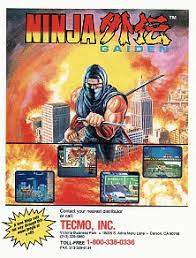
Ninja Gaiden
Arcade SystemsAction
Ninja Gaiden is a 1988 arcade action game developed and published by Tecmo. It combines side-scrolling beat 'em up combat with platforming, following the ninja Ryu Hayabusa as he battles through urban streets, industrial sites, forests, and enemy strongholds. Players advance through compact stages, fighting constantly respawning opponents while using a sword, jump attacks, and environmental movement. The arcade version is a more direct brawler than the later home-console Ninja Gaiden games. It was recognized for responsive controls, fast pacing, dramatic presentation, and demanding difficulty, and it became the foundation for Tecmo's long-running Ninja Gaiden series.
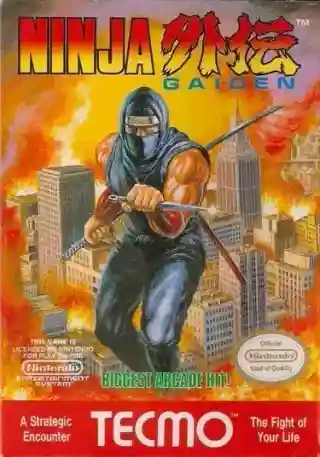
Ninja Gaiden
Nintendo Entertainment System (NES)Action1989
Ninja Gaiden is a side-scrolling action platformer developed and published by Tecmo for the Nintendo Entertainment System. It follows Ryu Hayabusa after his father, Ken, is killed in a mysterious duel, leading him into a conspiracy involving ancient demons and powerful artifacts. The game combines fast swordplay, precise jumping, wall movement, and stage-based progression with cinematic cutscenes between acts. Its demanding difficulty and responsive controls earned it a strong reputation among NES action games, while its dramatic presentation helped distinguish it from many contemporaries. Ninja Gaiden became the foundation of a major Tecmo series.
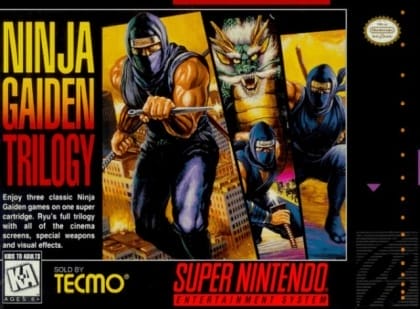
Ninja Gaiden Trilogy
Super Nintendo (SNES)Action
Ninja Gaiden Trilogy is a Super Nintendo compilation developed and published by Tecmo in 1995. It brings together updated versions of the three NES action-platform games: Ninja Gaiden, Ninja Gaiden II: The Dark Sword of Chaos, and Ninja Gaiden III: The Ancient Ship of Doom. Each game follows ninja warrior Ryu Hayabusa through fast, combat-focused stages filled with traps, enemies, and demanding bosses. The collection preserves the original side-scrolling structure while adding Super Nintendo presentation and some gameplay adjustments. Its reputation is built on responsive controls, dramatic cutscenes, memorable music, and high difficulty. It is historically notable as a convenient console release of the classic trilogy, although some players prefer the original NES versions for their balance and audio.
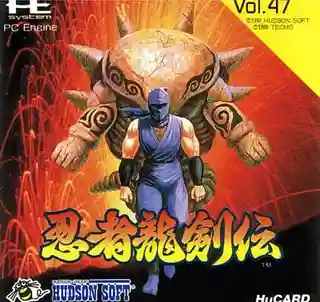
Ninja Ryuuken Den
pceAction
Ninja Ryuuken Den is a side-scrolling action platformer for the PC Engine, developed and published by Hudson Soft as an adaptation of Tecmo's Ninja Ryūkenden, the series known internationally as Ninja Gaiden. Players control the ninja Ryu Hayabusa as he investigates a conspiracy involving rival clans, ancient artifacts, and supernatural enemies. The game combines precise sword fighting, platforming, wall movement, and stage hazards across a sequence of action-focused levels. This version is notable for its enhanced audiovisual presentation and changes from the earlier home-console release, while retaining the fast, demanding style associated with the series. It is generally regarded as an interesting Japanese PC Engine reinterpretation rather than a simple one-to-one port.
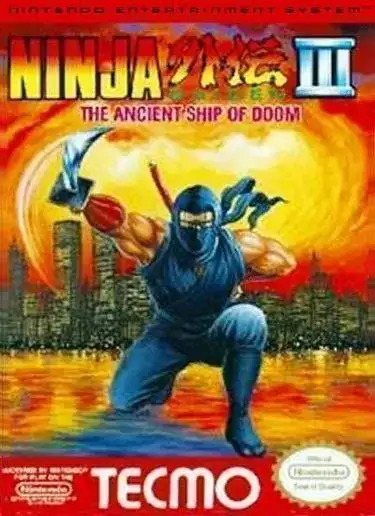
Ninja Gaiden III: The Ancient Ship of Doom
Nintendo Entertainment System (NES)Action
Ninja Gaiden III: The Ancient Ship of Doom is a side-scrolling action platformer developed and published by Tecmo for the Nintendo Entertainment System. It stars ninja Ryu Hayabusa, who investigates the apparent death of Irene Lew and becomes involved in a conspiracy surrounding a mysterious ancient vessel. The game combines precise jumping, sword combat, wall movement, and trap-filled stage design. Its campaign is divided into lengthy stages with boss encounters and a steadily escalating challenge. The NES version was noted for its fast pace, strong presentation, cinematic storytelling, and notably demanding difficulty, especially outside Japan. It is generally regarded as an ambitious but challenging conclusion to the original NES trilogy.
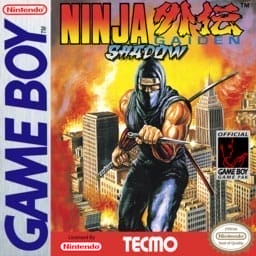
Ninja Gaiden Shadow
Game BoyAction
Ninja Gaiden Shadow is a side-scrolling action platformer developed by Natsume and published by Tecmo for the Game Boy in 1991. It follows ninja Ryu Hayabusa as he fights through enemy-held stages and confronts a supernatural threat. The game adapts the series' fast combat and acrobatic movement to the monochrome handheld, using shorter stages and a more compact presentation than the console entries. Its play style combines sword attacks, jumps, wall movement, and limited-use secondary weapons. Contemporary and later reception has generally recognized its responsive controls and technical quality, while also noting its demanding difficulty and small-screen limitations.
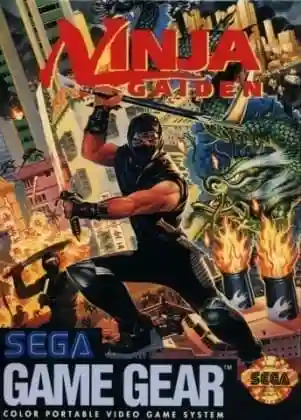
Ninja Gaiden
game-gearAction
Ninja Gaiden for Game Gear is a side-scrolling action platformer developed and published by Tecmo. It stars the ninja Ryu Hayabusa, who fights through hostile stages using a sword, jumping skills, and limited secondary weapons. The game adapts the series' fast arcade-style movement to Sega's handheld hardware, with compact levels and direct combat rather than the cinematic presentation associated with later entries. Its challenge comes from enemy placement, moving hazards, and the need to learn stage layouts. Contemporary coverage generally treated it as a solid handheld action game, although its reduced scale and technical limitations made it less elaborate than the larger console releases.
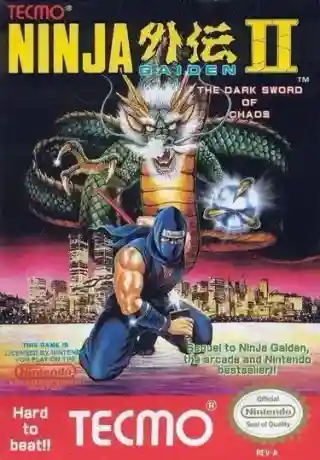
Ninja Gaiden II: The Dark Sword of Chaos
Nintendo Entertainment System (NES)Action
Ninja Gaiden II: The Dark Sword of Chaos is a side-scrolling action-platform game developed and published by Tecmo for the Nintendo Entertainment System. It follows ninja Ryu Hayabusa as he confronts Ashtar and the forces gathering around the Dark Sword of Chaos after the events of the first game. Play centers on precise jumps, wall movement, sword attacks, and frequent use of sub-weapons. Its cinematic cutscenes continue the series' distinctive presentation between stages. The game was widely regarded as a strong NES sequel, with more elaborate graphics, faster pacing, and expanded mechanics, although its difficulty remains demanding. It is remembered as one of the system's notable action games.
Ninja Gaiden 2: The Dark Sword of Chaos
Nintendo Entertainment System (NES)Action
Ninja Gaiden II: The Dark Sword of Chaos is a side-scrolling action platform game developed and published by Tecmo for the Nintendo Entertainment System. It follows ninja Ryu Hayabusa after the demon emperor Ashtar begins a plan to plunge the world into darkness using the Dark Sword of Chaos. The game combines precise jumping, wall movement, weapon-based combat, and cinematic storytelling between stages. Its adventure is structured around difficult stages filled with traps, flying enemies, and demanding boss encounters. Critics and players generally regarded it as a strong sequel, praising its presentation, varied level design, and responsive controls while noting the considerable difficulty typical of the series.
Ninja Gaiden 3: The Ancient Ship of Doom
Nintendo Entertainment System (NES)Action
Ninja Gaiden 3: The Ancient Ship of Doom is a side-scrolling action platformer developed and published by Tecmo for the Nintendo Entertainment System. Players control the ninja Ryu Hayabusa as he investigates a conspiracy involving Irene Lew and a mysterious organization creating artificial life. The game combines precise jumping, sword combat, wall movement, and a demanding sequence of stages. Its North American version is notably faster and more difficult than the Japanese release, while also changing some level layouts and story details. Contemporary and later reception has praised its presentation, music, and challenge, although its difficulty and altered balance remain divisive among players.
How is this list kept current?
How rankings are calculated
The list is generated from active EmuGamers catalog entries. Votes and play activity determine order; browser compatibility is reported separately and does not turn an untested game into a higher-ranked recommendation.
| Order | Signal | How it is used |
|---|---|---|
| 1 | Real community votes | Games with at least one recorded vote appear before games with no votes. |
| 2 | Rating confidence | More votes rank first, followed by the rating value. |
| 3 | Play activity | Play count breaks rating ties and orders entries with no votes. |
| 4 | Stable tie-break | Game name keeps otherwise equal results deterministic. |
Which sources support further research?
Official sources and catalog provenance
The ranked games come from the EmuGamers database. The links below are related official project updates used for emulator support and preservation context; they are not citations for the ranking order.