
Catalog activity ranking
Most-Played Ultima Games in the EmuGamers Catalog
This page uses active Ultima catalog entries and separates popularity signals from compatibility evidence. This activity ranking links directly to 10 catalog entries in the Ultima collection.
What is the quick answer?
Ultima I: The First Age of Darkness currently appears first in this activity ranking, followed by Ultima V: Warriors of Destiny and Ultima IV: Quest of the Avatar. Games with real community ratings are considered first; entries without votes are ordered by play activity. This is a catalog signal, not an independent editorial review.
Most-played Ultima games
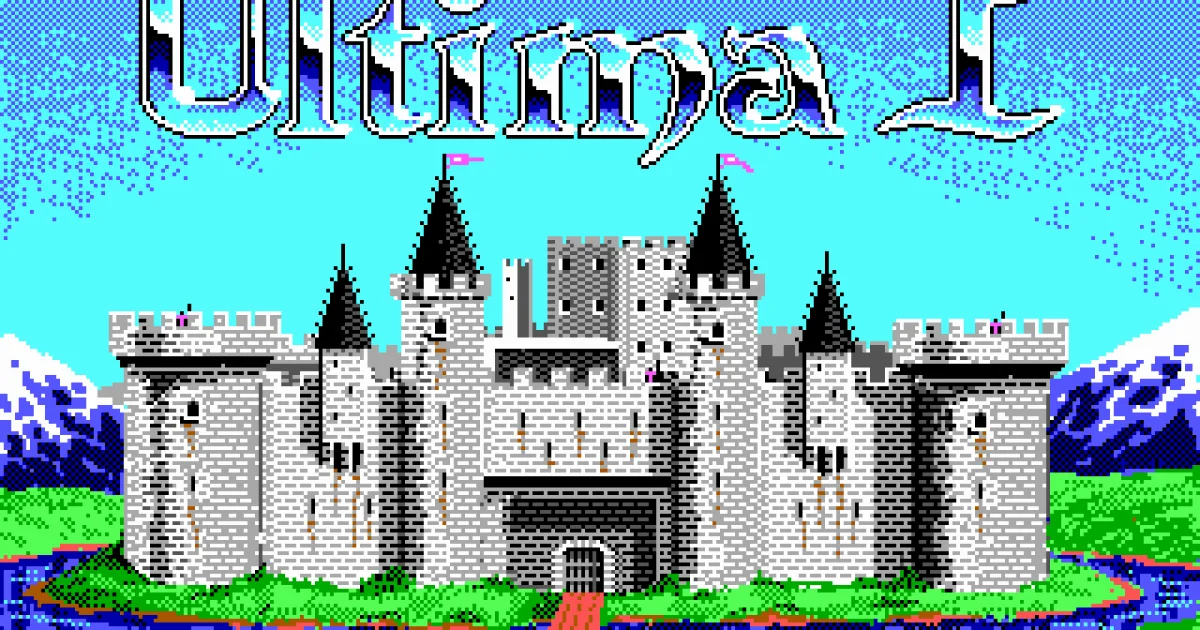
Ultima I: The First Age of Darkness
DOSRole-Playing
Ultima I: The First Age of Darkness is a fantasy role-playing game developed and published by Origin Systems for DOS in 1986. It is the first mainline entry in the Ultima series and places the player in the land of Sosaria, where the evil wizard Mondain threatens the world with his immortal power. The game combines top-down exploration, town and castle visits, dungeon delving, character development, and turn-based combat. Its unusual inclusion of space travel and ship-to-ship combat reflects the imaginative design of early computer role-playing games. The DOS release helped bring Richard Garriott's influential creation to a broader audience, although its interface and systems remain distinctly old-fashioned by later Ultima standards.
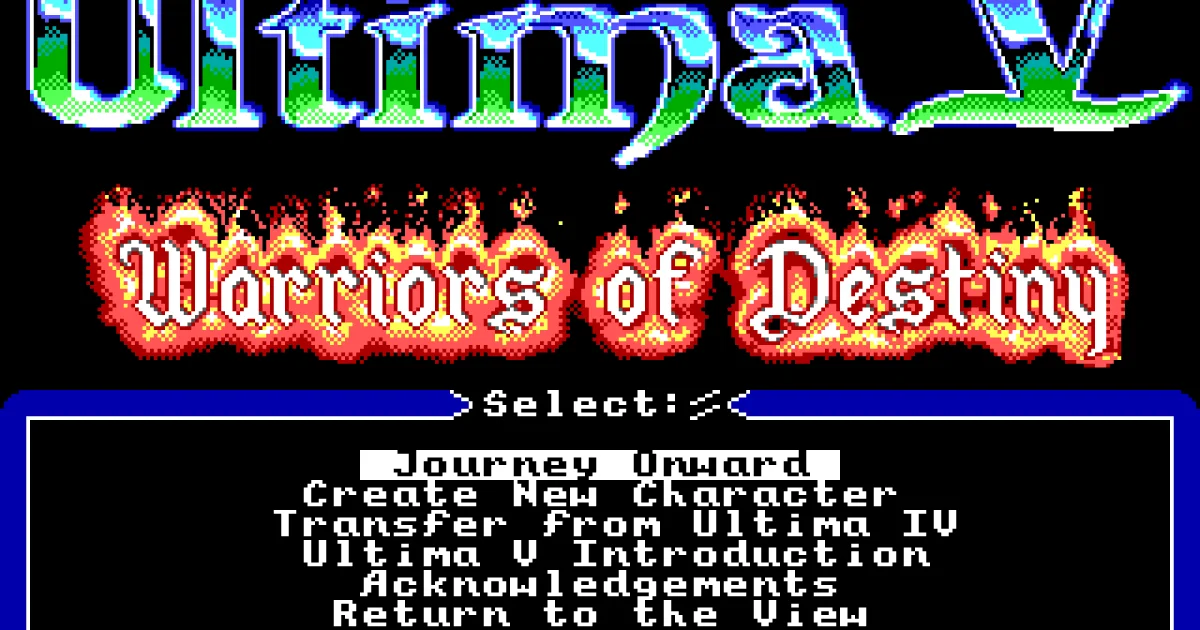
Ultima V: Warriors of Destiny
DOSComputer role-playing game
Ultima V: Warriors of Destiny is a computer role-playing game developed and published by Origin Systems for DOS. It follows the Avatar’s return to Britannia, where Lord British has disappeared and Lord Blackthorn rules through an increasingly authoritarian interpretation of virtue. The game combines a large fantasy world, party-based exploration, turn-based combat, and extensive written dialogue. Players investigate political and supernatural threats while visiting towns, dungeons, shrines, and the underworld. Its moral conflict, detailed setting, and expanded simulation of Britannian society were widely regarded as major advances for the series, although its interface and demanding navigation could be challenging. Ultima V is historically regarded as one of the most influential and ambitious early computer RPGs.
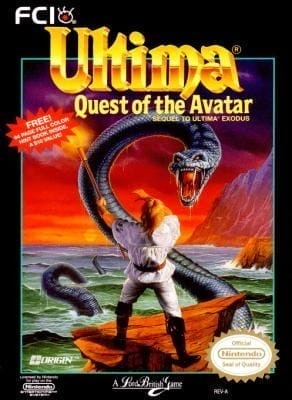
Ultima IV: Quest of the Avatar
Nintendo Entertainment System (NES)Role-Playing Game
Ultima IV: Quest of the Avatar is a fantasy role-playing game developed by Origin Systems and adapted for the Nintendo Entertainment System by Pony Canyon. Instead of focusing on a single villain, it asks the player to become an Avatar by studying and practicing eight virtues: Honesty, Compassion, Justice, Sacrifice, Valor, Spirituality, Humility, and Truth. Exploration, conversation, dungeon expeditions, and turn-based battles form the core play style. The NES edition reshapes the computer original with simplified presentation, a redesigned interface, and hardware-specific changes while retaining its philosophical premise. The game was historically praised for its ambition, open-ended progression, and ethical theme, though the console adaptation is more streamlined and differs substantially from the original in content and balance.
Ultima I-VI Series
DOSRole-Playing
Ultima I-VI Series is a DOS compilation of six foundational computer role-playing games developed by Origin Systems: Ultima I, II, III, IV, V, and VI. Together, they follow the Avatar’s efforts to oppose supernatural threats and build a more morally focused fantasy world across Britannia. The games combine overhead exploration, towns, wilderness travel, dungeon expeditions, conversations, equipment management, and turn-based combat. Their interfaces and systems vary substantially between entries, reflecting more than a decade of design changes. The collection is historically important for documenting the evolution of the Ultima series and its influence on computer RPGs, although the early games can feel austere and technically dated to modern players.
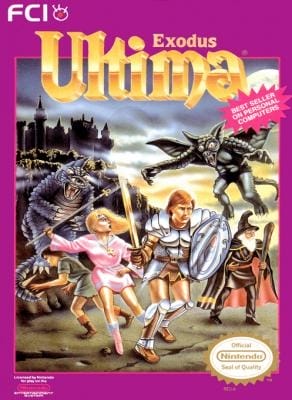
Ultima: Exodus
Nintendo Entertainment System (NES)Role-Playing
Ultima: Exodus is a party-based fantasy role-playing game developed for the NES by Newtopia Planning from Origin Systems' Ultima III. The player creates a group of adventurers and explores the world of Sosaria while preparing to confront Exodus, a powerful and mysterious enemy. Exploration uses an overhead view, while battles switch to a tactical, turn-based field. Towns, castles, shrines, equipment, spells, and character advancement form the core of the journey. The NES edition adapts the computer game substantially for a console audience, including a more streamlined interface and presentation. It is remembered as an ambitious early console RPG, although its complexity and unusual systems can make the opening difficult for newcomers.
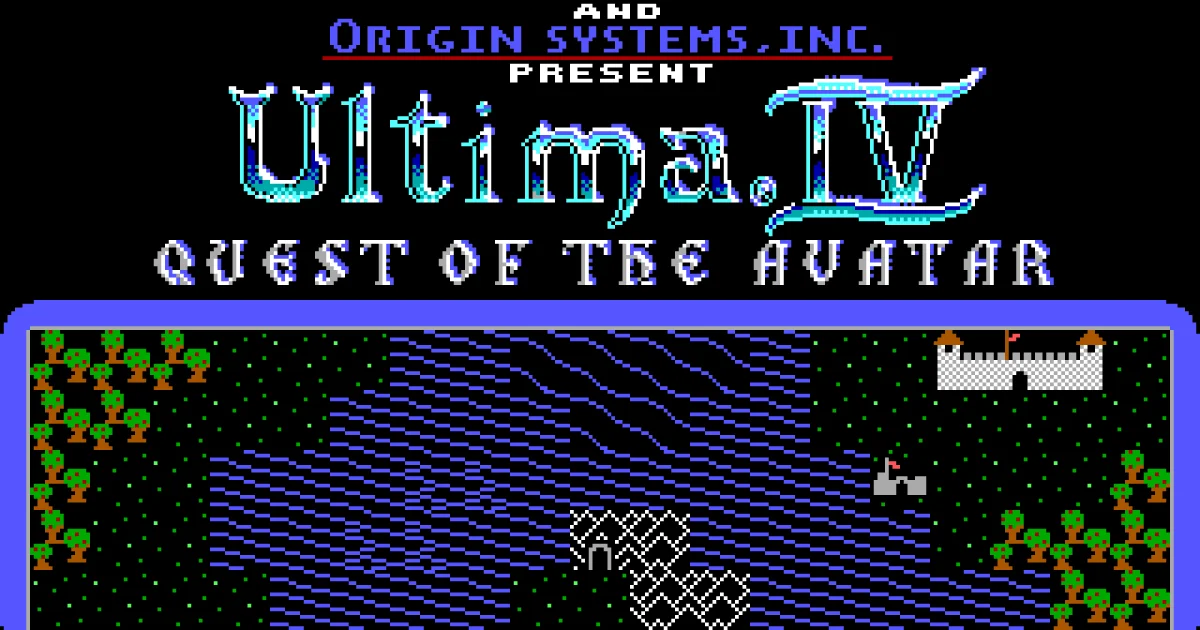
Ultima IV: Quest of the Avatar
DOSRole-Playing
Ultima IV: Quest of the Avatar is a fantasy role-playing game developed and published by Origin Systems for DOS in 1986. Rather than centering on a final evil overlord, it asks the player to become an Avatar by mastering eight virtues and inspiring the people of Britannia. Exploration takes place across an overhead world, while combat uses a separate tactical view on a grid. The game combines open-ended travel, town conversations, dungeon expeditions, party management, and turn-based battles. Its moral framework, unusually broad world, and emphasis on player choice were widely praised, establishing it as a landmark in computer role-playing design. The DOS edition retains the large-scale structure and keyboard-driven presentation of the original adventure.
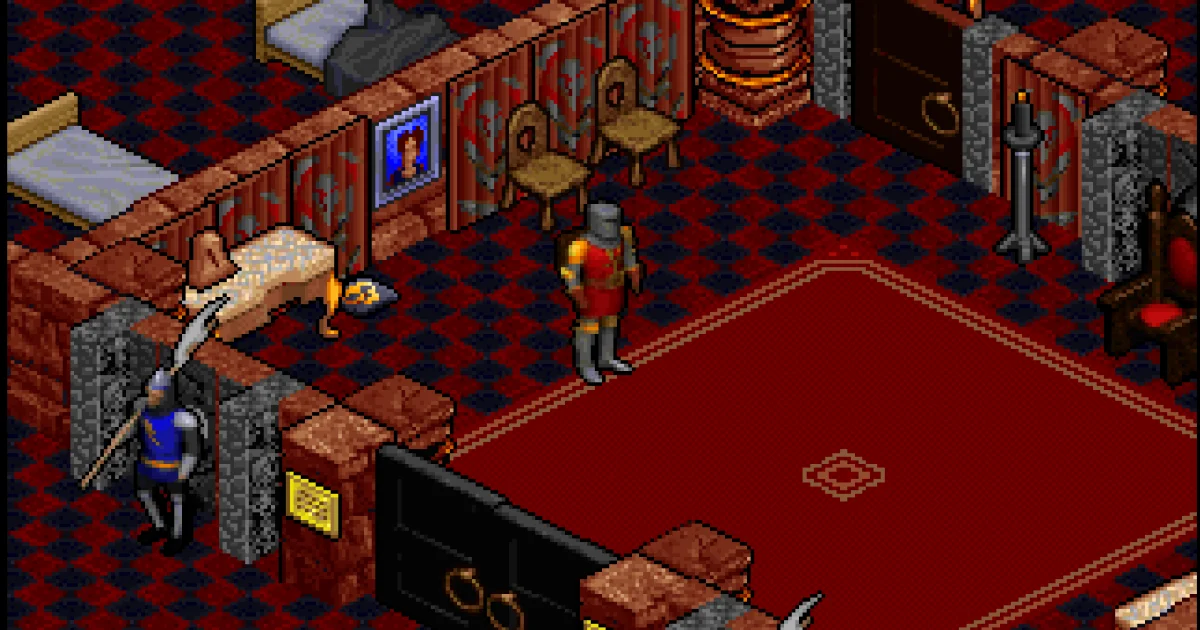
Ultima VIII: Pagan
DOSRole-Playing Game
Ultima VIII: Pagan is a fantasy role-playing game developed by Origin Systems and published by Electronic Arts for DOS. It places the Avatar in Pagan, a harsh world ruled by elemental titans after the Guardian exiles him from Britannia. Unlike earlier Ultima games, Pagan emphasizes real-time exploration, direct combat, platforming, and environmental puzzles alongside dialogue and inventory management. The adventure is largely linear, with the Avatar learning elemental magic and completing trials tied to Pagan’s domains. Its darker setting, atmospheric presentation, and ambitious interface were notable, but the game received a mixed historical reception because of awkward combat, demanding jumping sequences, and departures from the series’ traditional open-ended design.
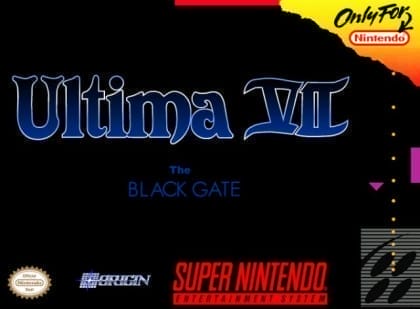
Ultima: The Black Gate
Super Nintendo (SNES)Role-Playing
Ultima: The Black Gate is a Super Nintendo adaptation of Origin Systems’ Ultima VII, redesigned as a more compact action role-playing adventure. The player controls the Avatar, a hero summoned to Britannia to investigate murders, mysterious cult activity, and the influence of the supernatural Guardian. Exploration takes place from an overhead perspective, with real-time combat, towns to visit, items to collect, and puzzles to solve. The SNES version is not a direct technical port: its interface, world structure, combat, and presentation were substantially changed for console play. Reception has therefore been mixed, with praise for bringing Ultima’s setting to a cartridge and criticism of its simplification compared with the influential computer original.
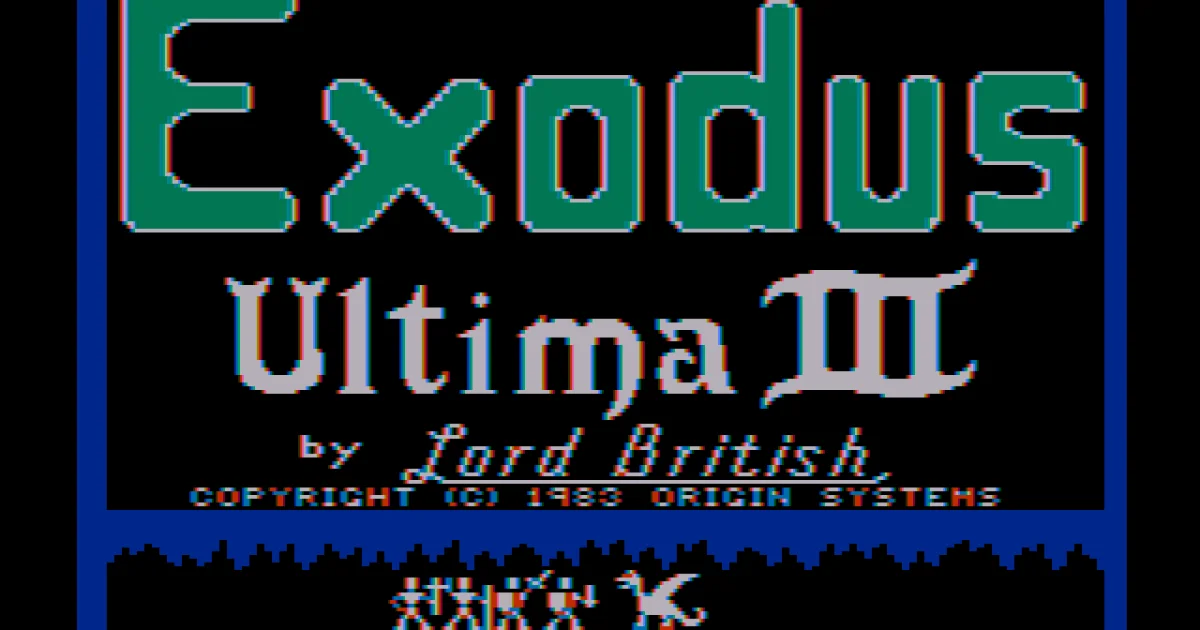
Ultima III: Exodus
DOSRole-Playing
Ultima III: Exodus is a fantasy role-playing game developed and published by Origin Systems. It is the third main Ultima and follows the Avatar's return to Sosaria to confront Exodus, a powerful enemy threatening the world. The game combines top-down exploration, town and dungeon visits, party management, and turn-based combat. Players create a party of four characters, choose classes, acquire equipment, and develop abilities through exploration and battle. Its party-based design and tactical combat represented a substantial advance over the earlier games in the series. Ultima III was widely regarded as an important early computer RPG and helped establish conventions later used by many role-playing games.
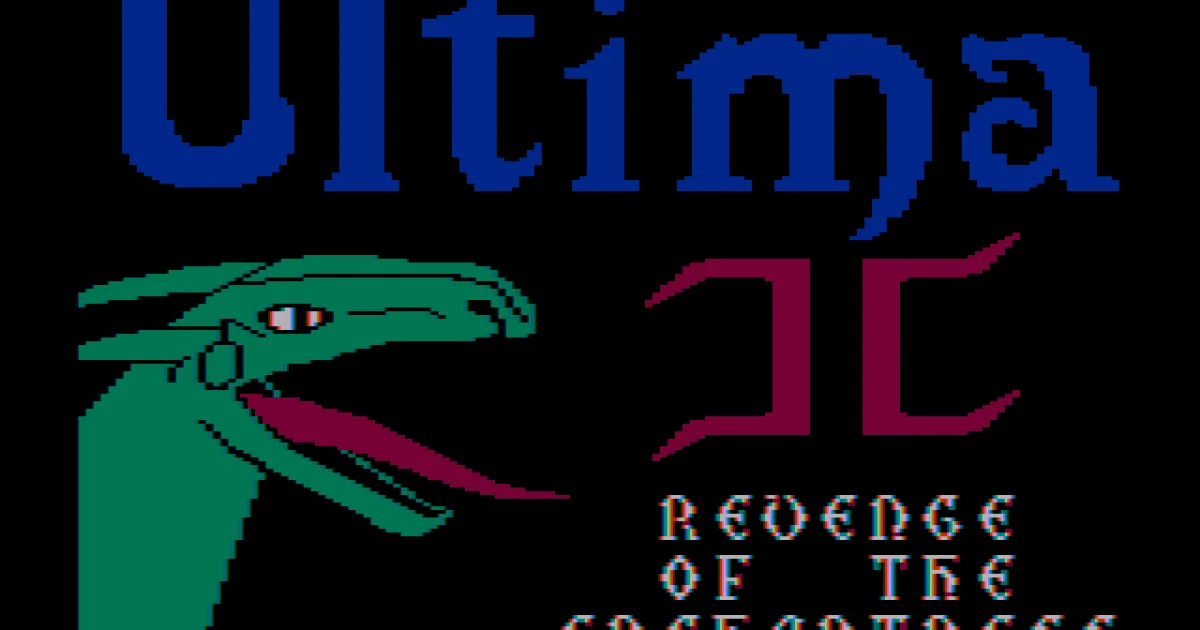
Ultima II: The Revenge of the Enchantress
DOSRole-Playing Game
Ultima II: The Revenge of the Enchantress is a fantasy computer role-playing game developed by Origin Systems for DOS and published by Sierra On-Line. The player creates a lone adventurer and travels across different eras of Earth, Sosaria, and other connected regions to stop the enchantress Minax. Exploration, town visits, wilderness travel, dungeon delving, equipment management, and turn-based combat form the core of play. The game expands substantially on the first Ultima with a larger world, time gates, vehicles, and more varied environments. Its interface and navigation can be opaque by modern standards, but its ambitious setting and open-ended structure were influential. Reception was generally positive for its scope, though reviewers also noted its demanding exploration and occasionally cryptic progression.
How is this list kept current?
How rankings are calculated
The list is generated from active EmuGamers catalog entries. Votes and play activity determine order; browser compatibility is reported separately and does not turn an untested game into a higher-ranked recommendation.
| Order | Signal | How it is used |
|---|---|---|
| 1 | Real community votes | Games with at least one recorded vote appear before games with no votes. |
| 2 | Rating confidence | More votes rank first, followed by the rating value. |
| 3 | Play activity | Play count breaks rating ties and orders entries with no votes. |
| 4 | Stable tie-break | Game name keeps otherwise equal results deterministic. |
Which sources support further research?
Official sources and catalog provenance
The ranked games come from the EmuGamers database. The links below are related official project updates used for emulator support and preservation context; they are not citations for the ranking order.