
Catalog activity ranking
Most-Played Dragon Ball Z Games in the EmuGamers Catalog
This page uses active Dragon Ball Z catalog entries and separates popularity signals from compatibility evidence. This activity ranking links directly to 10 catalog entries in the Dragon Ball Z collection.
What is the quick answer?
Dragon Ball Z: Super Butōden 2 currently appears first in this activity ranking, followed by Dragon Ball Z: Super Butōden and Dragon Ball Z: The Legend of the Mighty Son Goku. Games with real community ratings are considered first; entries without votes are ordered by play activity. This is a catalog signal, not an independent editorial review.
Most-played Dragon Ball Z games
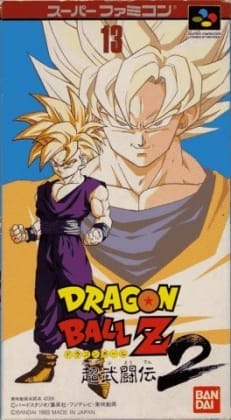
Dragon Ball Z: Super Butōden 2
Super Nintendo (SNES)Fighting
Dragon Ball Z: Super Butōden 2 is a one-on-one fighting game developed by TOSE and published by Bandai for the Super Nintendo Entertainment System. Based on the Dragon Ball Z universe, it focuses on martial-arts battles between heroes and villains, including the mysterious warrior Bojack and his Galaxy Soldiers. Matches take place across wide arenas that allow fighters to move horizontally and, in many situations, fly across the screen. The game offers a story-driven mode, versus play, and tournament-style battles. It was well received in Japan for its large roster, fast pacing, colorful presentation, and dramatic long-range energy attacks. It remains one of the more respected Dragon Ball games on the 16-bit platform.
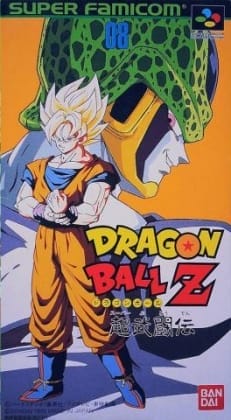
Dragon Ball Z: Super Butōden
Super Nintendo (SNES)Fighting
Dragon Ball Z: Super Butōden is a 1993 fighting game developed by TOSE and published by Bandai for the Super Famicom. It adapts story material from the Saiyan, Frieza, and Cell arcs, presenting battles between familiar Dragon Ball Z warriors and villains. The game uses a side-view arena format with unusual long-range combat: fighters can move far apart, fly, fire ki attacks, and close the distance again. A story mode provides a sequence of battles, while versus play supports direct matches. Reception was generally positive in Japan for its character roster, dramatic presentation, and faithful use of the license, although its controls and balance can feel less refined than later entries.
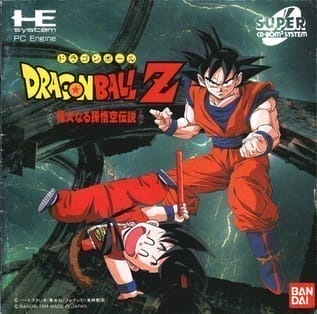
Dragon Ball Z: The Legend of the Mighty Son Goku
pceInteractive Movie
Dragon Ball Z: The Legend of the Mighty Son Goku is a PC Engine CD interactive adventure developed by BEC and published by Bandai in 1994. It presents Goku’s story through animated scenes, dialogue, still illustrations, and player-selected responses rather than conventional fighting stages. The game follows major episodes from the Dragon Ball Z narrative and emphasizes watching, reading, and making choices at key moments. Its CD presentation and use of animated material were notable for the PC Engine, although its limited interactivity makes it a niche entry rather than a traditional action game. Reception has generally focused on its value as a fan-oriented interactive retelling.
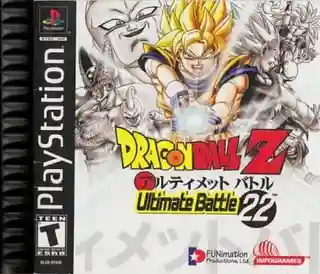
Dragon Ball Z: Ultimate Battle 22
psFighting
Dragon Ball Z: Ultimate Battle 22 is a 2D fighting game developed by TOSE and published by Bandai for the original PlayStation. It adapts the Dragon Ball Z cast and visual style into one-on-one battles built around punches, kicks, special techniques, and dramatic energy attacks. The roster covers major heroes and villains from the later Dragon Ball Z storyline. Its presentation emphasizes large character sprites, colorful arenas, and recognizable attack animations rather than a deep competitive system. Reception was mixed: fans appreciated the licensed presentation and roster, while critics often considered the combat less refined than contemporary fighting games.
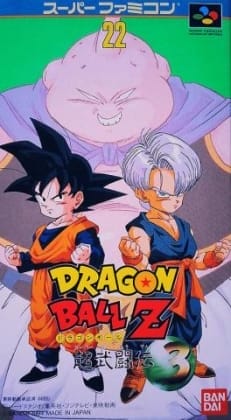
Dragon Ball Z: Super Butoden 3
Super Nintendo (SNES)Fighting
Dragon Ball Z: Super Butoden 3 is a 1994 Super Nintendo fighting game developed by TOSE and published by Bandai. It adapts the Majin Buu era of Dragon Ball Z into one-on-one battles featuring energy attacks, aerial movement, defensive techniques, and dramatic long-range exchanges. The game offers a story-oriented mode alongside versus play, with a roster drawn from the series’ later characters and transformations. It was released for the Super Famicom in Japan and became known for its fast matches, large battle arenas, and distinctive split-screen presentation during distant combat. Reception was generally positive among Dragon Ball fans, although critics noted that its relatively small roster and limited story content made it less substantial than some competitors.
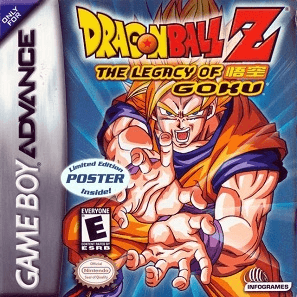
Dragon Ball Z: The Legacy of Goku
Game Boy AdvanceAction RPG
Dragon Ball Z: The Legacy of Goku is an action role-playing game developed by Webfoot Technologies and published by Infogrames for the Game Boy Advance. It adapts the early Dragon Ball Z story, beginning with Raditz's arrival and continuing through the Namek and Frieza arcs. Players control Goku from an overhead perspective, exploring areas, fighting enemies, completing quests, and gaining experience. The game was notable as one of the first Dragon Ball Z adventures designed specifically for a handheld system, although contemporary reception was mixed because of its simple combat, limited variety, and uneven pacing.
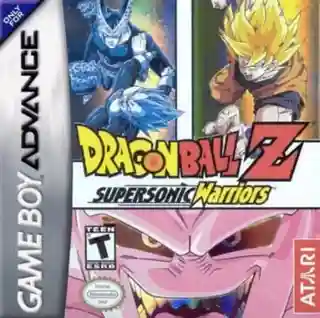
Dragon Ball Z: Supersonic Warriors
Game Boy AdvanceFighting
Dragon Ball Z: Supersonic Warriors is a 2D fighting game developed by Cavia and published by Banpresto for the Game Boy Advance. It adapts the Dragon Ball Z storyline through fast aerial battles, energy attacks, transformations, and team-based support techniques. The game includes a story-focused mode, versus matches, and additional challenge-oriented play. Its compact presentation makes extensive use of recognizable characters and events from the anime while tailoring combat to the handheld system. Contemporary reception generally praised its large roster, energetic battles, and strong use of the license, although critics also noted simplified controls and occasional repetition.
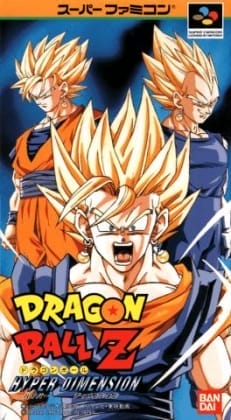
Dragon Ball Z: Hyper Dimension
Super Nintendo (SNES)Fighting
Dragon Ball Z: Hyper Dimension is a 2D fighting game developed by TOSE and published by Bandai for the Super Nintendo Entertainment System. It adapts the Dragon Ball Z setting through one-on-one battles, using familiar characters, energy attacks, transformations, and dramatic arenas. The game emphasizes close-range fighting, defensive positioning, air movement, and timed special techniques rather than a conventional platforming adventure. Its main single-player content follows a sequence of battles, while versus play supports matches against another player or the computer. Hyper Dimension was released late in the SNES life cycle and is often noted for its detailed sprites, fast combat, and strong presentation, although its roster and mechanics are more limited than later 32-bit Dragon Ball fighting games.
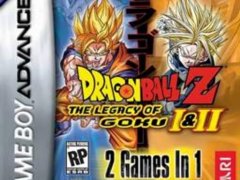
2 Games in 1: Dragon Ball Z - The Legacy of Goku I & II
Game Boy AdvanceAction RPG
2 Games in 1: Dragon Ball Z - The Legacy of Goku I & II combines Webfoot Technologies' two Game Boy Advance action RPGs in one cartridge. The first game follows Goku through the Saiyan and Namek stories, while the sequel covers the Android and Cell arcs with a broader adventure structure. Players explore overhead environments, fight enemies in real time, complete story objectives, and improve characters through experience. The compilation is aimed at fans of the anime and preserves both games in their original handheld form. Reception was mixed: the sequel was generally regarded as a substantial improvement, while the first game was criticized for its repetitive combat and limited depth.
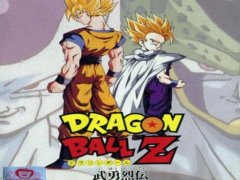
Dragon Ball Z: L'Appel du Destin
Sega GenesisFighting
Dragon Ball Z: L'Appel du Destin is a one-on-one fighting game developed by TOSE and published by Bandai for the Sega Genesis. Based on the Dragon Ball Z anime, it lets players control powerful martial artists in battles featuring ground movement, jumping, energy attacks, and defensive techniques. The game includes a story-focused campaign, tournament-style play, and head-to-head matches. Its large arenas and long-range combat give it a distinct feel compared with many conventional fighters. Reception was generally favorable among Dragon Ball fans, especially in Europe, although critics noted a steep learning curve and a combat system that rewards careful spacing.
How is this list kept current?
How rankings are calculated
The list is generated from active EmuGamers catalog entries. Votes and play activity determine order; browser compatibility is reported separately and does not turn an untested game into a higher-ranked recommendation.
| Order | Signal | How it is used |
|---|---|---|
| 1 | Real community votes | Games with at least one recorded vote appear before games with no votes. |
| 2 | Rating confidence | More votes rank first, followed by the rating value. |
| 3 | Play activity | Play count breaks rating ties and orders entries with no votes. |
| 4 | Stable tie-break | Game name keeps otherwise equal results deterministic. |
Which sources support further research?
Official sources and catalog provenance
The ranked games come from the EmuGamers database. The links below are related official project updates used for emulator support and preservation context; they are not citations for the ranking order.