
Catalog activity ranking
Most-Played Fatal Fury Games in the EmuGamers Catalog
This page uses active Fatal Fury catalog entries and separates popularity signals from compatibility evidence. This activity ranking links directly to 10 catalog entries in the Fatal Fury collection.
What is the quick answer?
Fatal Fury: First Contact currently appears first in this activity ranking, followed by Fatal Fury 2 and Real Bout Fatal Fury Special. Games with real community ratings are considered first; entries without votes are ordered by play activity. This is a catalog signal, not an independent editorial review.
Most-played Fatal Fury games
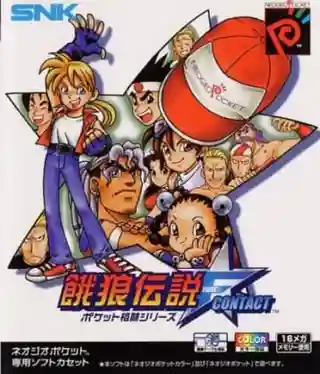
Fatal Fury: First Contact
Neo Geo PocketFighting
Fatal Fury: First Contact is a one-on-one fighting game developed and published by SNK for the Neo Geo Pocket Color. It adapts characters and ideas from the arcade Fatal Fury games into a compact handheld format, with simplified controls and a roster built for quick matches. Players choose a fighter, battle through a sequence of opponents, and use normal attacks, special moves, throws, and defensive techniques to win rounds. Its clear presentation and responsive controls were well received as an unusually capable portable fighting game, although its small screen and reduced mechanics distinguish it from the larger arcade releases.
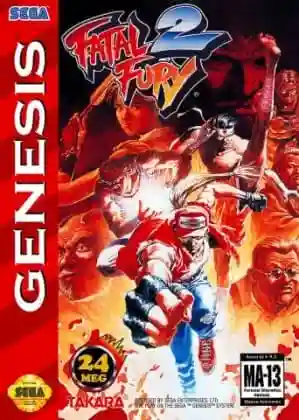
Fatal Fury 2
Sega GenesisFighting
Fatal Fury 2 is a one-on-one fighting game developed by SNK and adapted for the Sega Genesis by Takara. It follows the renewed King of Fighters tournament, where fighters battle through a succession of matches before confronting the tournament's powerful organizers and final challenger. The game is built around traditional punches, kicks, special moves, throws, and a two-plane fighting system that lets combatants move between the foreground and background. The Genesis version retains the series' recognizable cast and competitive focus while adjusting presentation and controls for home hardware. Its expanded roster, lane movement, and stronger emphasis on special-move timing made it a notable early-1990s console fighting game. Reception generally praised its depth and character variety, although the home conversion has less audiovisual power than the Neo Geo original.
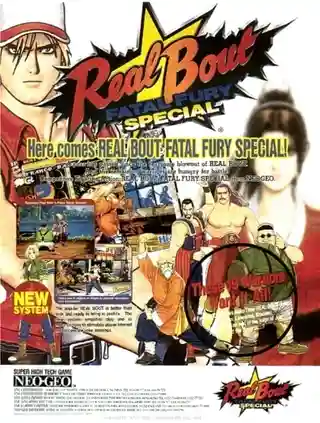
Real Bout Fatal Fury Special
Arcade SystemsFighting
Real Bout Fatal Fury Special is a 1997 arcade fighting game developed and published by SNK. It is an updated, faster-paced entry in the Fatal Fury line, built around one-on-one matches with a roster of returning fighters and several distinctive specialists. The game retains the series’ trademark two-line arena system, allowing fighters to move between the foreground and background, while refining offense, defense, and ring-out situations. Its presentation, animation, and competitive mechanics were well received by arcade players, especially fans of SNK fighters. The Special version is known for its broad roster, aggressive match flow, and polished balance compared with earlier Real Bout releases.
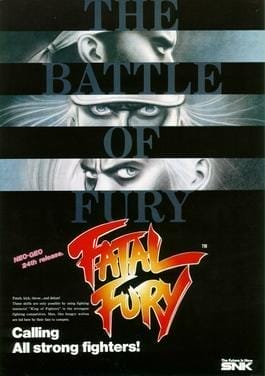
Fatal Fury: King of Fighters
Arcade SystemsFighting
Fatal Fury: King of Fighters is a 1991 arcade fighting game developed and published by SNK. It established the Fatal Fury series through a tournament story centered on Terry Bogard, Andy Bogard, and Joe Higashi, who challenge Geese Howard in South Town. Matches use traditional one-on-one combat but add a distinctive two-plane movement system, allowing fighters to shift between the foreground and background. The game was well received for its presentation, character designs, and innovative arena movement, although later SNK fighters offered deeper systems and larger rosters.
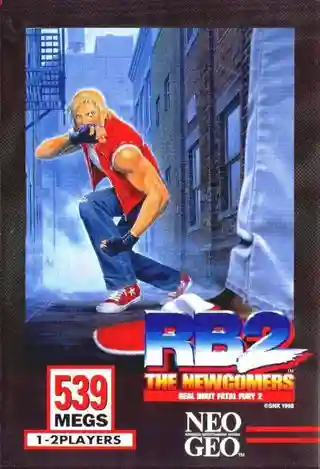
Real Bout Fatal Fury 2: The Newcomers
Arcade SystemsFighting
Developed and published by SNK, Real Bout Fatal Fury 2: The Newcomers is a 1998 arcade fighting game and the seventh main entry in the Fatal Fury series. It follows familiar fighters competing in another King of Fighters tournament while newcomers Li Xiangfei and Rick Strowd join the roster. Matches use traditional two-dimensional combat, but the playfield also includes foreground and background lanes that support evasive movement. The game emphasizes timing, spacing, reversals, and powerful special moves rather than long, highly technical combo systems. Its large roster, responsive controls, and polished presentation earned a favorable reputation among arcade fighting-game players, although it remained less influential than SNK's most celebrated rivals.
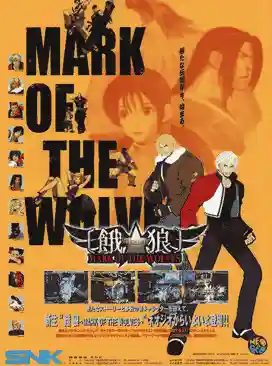
Garou: Mark of the Wolves
Arcade SystemsFighting1999
Garou: Mark of the Wolves is a 2D fighting game developed and published by SNK for arcade systems. It follows Rock Howard, the son of Geese Howard, as he enters the King of Fighters: Maximum Mayhem tournament in a South Town transformed by a new generation of fighters. The game emphasizes precise spacing, aggressive offense, defensive timing, and character-specific tactics rather than simple button mashing. Its hand-drawn art, focused roster, and advanced systems earned strong historical praise from fighting-game players. The T.O.P. system, Just Defend mechanic, and strategic feint attacks give each round considerable depth, while the arcade structure keeps matches quick and competitive.
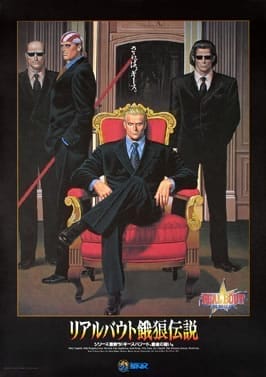
Real Bout Fatal Fury
Arcade SystemsFighting
Real Bout Fatal Fury is a 2D fighting game developed and published by SNK for arcade systems in 1995. It continues the Fatal Fury series with a tournament of martial artists, street fighters, and recurring rivals battling through South Town. The game keeps the series' lane-based movement while making combat faster and more aggressive than earlier entries. Its most notable additions include ring-out hazards, a revised Power Gauge, and a large roster drawn from the previous games. Players can choose familiar heroes such as Terry Bogard, Andy Bogard, Joe Higashi, and Mai Shiranui, while facing Geese Howard as the central threat. The arcade release was well received for its responsive controls, colorful presentation, and energetic matches.
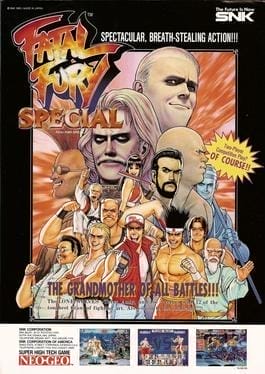
Fatal Fury Special
Arcade SystemsFighting
Fatal Fury Special is a 1993 arcade fighting game developed and published by SNK. It is an expanded revision of Fatal Fury 2, retaining the series’ two-plane battle system while adding returning fighters, balance changes, and faster competition. Players choose a martial artist or boss character and fight through a sequence of one-on-one matches, with victories advancing toward a final confrontation. The game is built around deliberate spacing, projectile control, throws, special moves, and attacks between the foreground and background planes. It was well received in arcades for its large roster, responsive combat, and improved pace, and it became one of the most recognized entries in SNK’s early fighting-game catalog.
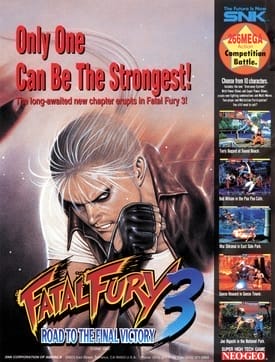
Fatal Fury 3: Road to the Final Victory
Arcade SystemsFighting
Fatal Fury 3: Road to the Final Victory is a 1995 arcade fighting game developed and published by SNK. It continues the Fatal Fury storyline as Terry Bogard and other fighters pursue the mysterious Jin brothers and the secret of the Jin scrolls. The game uses one-on-one matches with a four-button control scheme and keeps the series' distinctive two-line battlefields. Its expanded roster, multi-plane movement, chained attacks, and more elaborate presentation made it a notable evolution of the series. Reception was generally positive for its technical improvements and dramatic style, although its unusual plane-shifting system and demanding difficulty could take time to master.
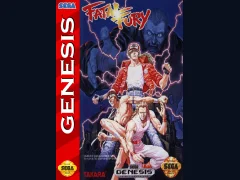
Fatal Fury
Sega GenesisFighting
Fatal Fury is a one-on-one fighting game developed by SNK and adapted for the Sega Genesis by Takara. It follows Terry Bogard, Andy Bogard, and Joe Higashi as they enter Geese Howard's King of Fighters tournament in South Town. The game uses traditional round-based combat, with punches, kicks, throws, special moves, and a distinctive two-plane arena system that lets fighters shift between the foreground and background. The Genesis version condenses the Neo Geo original and changes some presentation and gameplay details to fit the hardware. It remains a historically important early SNK fighter, although contemporary and later assessments generally place it below Street Fighter II and stronger Fatal Fury sequels. Its character designs, villain, and lane-switching mechanic established foundations that the series would build upon.
How is this list kept current?
How rankings are calculated
The list is generated from active EmuGamers catalog entries. Votes and play activity determine order; browser compatibility is reported separately and does not turn an untested game into a higher-ranked recommendation.
| Order | Signal | How it is used |
|---|---|---|
| 1 | Real community votes | Games with at least one recorded vote appear before games with no votes. |
| 2 | Rating confidence | More votes rank first, followed by the rating value. |
| 3 | Play activity | Play count breaks rating ties and orders entries with no votes. |
| 4 | Stable tie-break | Game name keeps otherwise equal results deterministic. |
Which sources support further research?
Official sources and catalog provenance
The ranked games come from the EmuGamers database. The links below are related official project updates used for emulator support and preservation context; they are not citations for the ranking order.