
Catalog activity ranking
Most-Played Final Fantasy Games in the EmuGamers Catalog
This page uses active Final Fantasy catalog entries and separates popularity signals from compatibility evidence. This activity ranking links directly to 10 catalog entries in the Final Fantasy collection.
What is the quick answer?
Final Fantasy VI currently appears first in this activity ranking, followed by Final Fantasy VII and Final Fantasy VI Advance. Games with real community ratings are considered first; entries without votes are ordered by play activity. This is a catalog signal, not an independent editorial review.
Most-played Final Fantasy games
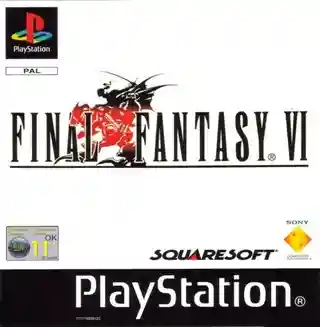
Final Fantasy VI
psRole-Playing Game
Final Fantasy VI is a Japanese role-playing game developed and published by Square. Set in a world where magic has nearly vanished and industrial technology is expanding, it follows Terra and a large group of rebels fighting the imperial forces led by Kefka. The game combines an ensemble-driven story with turn-based battles, exploration, towns, dungeons, and airship travel. The PlayStation release preserves the Super Famicom and Super NES adventure while adding opening and ending movies, along with loading pauses. It was widely praised for its dramatic writing, memorable characters, music, and willingness to let the party and setting change substantially during the story. It is commonly regarded as one of the strongest 16-bit-era role-playing games.
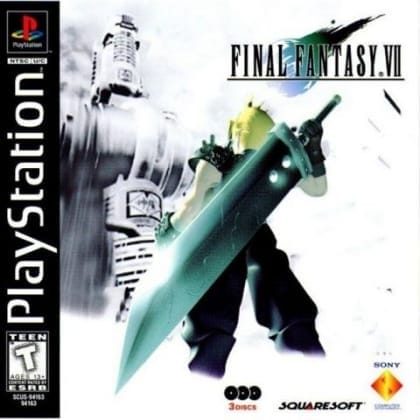
Final Fantasy VII
psRole-Playing
Final Fantasy VII is a Japanese role-playing game developed by Square for the original PlayStation. It follows Cloud Strife, a former SOLDIER who joins the eco-terrorist group AVALANCHE and becomes involved in a conflict surrounding the Shinra Electric Power Company, the Planet, and Sephiroth. The game combines exploration, turn-based battles, character customization, minigames, and a large story-driven adventure. Its use of 3D environments, pre-rendered backgrounds, and cinematic full-motion sequences helped establish it as a landmark PlayStation release. Critics and players widely praised its ambitious storytelling, memorable cast, soundtrack, and accessible materia system, although some character models and translation choices received criticism. It remains one of the most influential console RPGs of the 1990s.
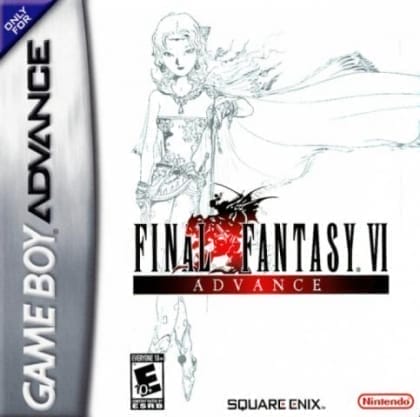
Final Fantasy VI Advance
Game Boy AdvanceRole-Playing Game
Final Fantasy VI Advance is a Japanese role-playing game developed by Square Enix with TOSE for the Game Boy Advance. It presents a large ensemble drama in a world transformed by an ancient magical catastrophe, where an authoritarian empire seeks to control the remaining power of magic. Players explore towns, wilderness, dungeons, and a world map while managing a party of distinctive characters. The game combines turn-based battles, equipment management, magic customization, and a broad story with multiple viewpoints. Originally released as Final Fantasy VI in Japan and Final Fantasy III in North America, it was widely praised for its characters, music, narrative ambition, and flexible party system.
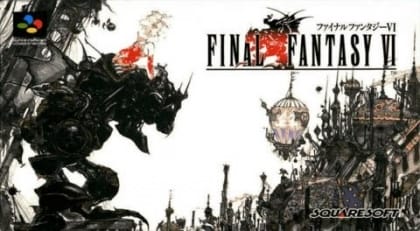
Final Fantasy VI
Super Nintendo (SNES)Japanese role-playing game
Final Fantasy VI is a Japanese role-playing game developed and published by Square for the Super Nintendo. Set in a world where magic has nearly vanished, it follows a large group of rebels opposing the Gestahlian Empire and the unstable magician Kefka. The game combines exploration, turn-based battles, towns, dungeons, airship travel, and a dramatic ensemble story rather than focusing on one hero. Its classless character system gives most party members distinctive abilities, while Espers allow characters to learn spells. The game was widely praised for its presentation, music, memorable cast, and ambitious storytelling, and is frequently regarded as one of the Super Nintendo era's most accomplished RPGs.
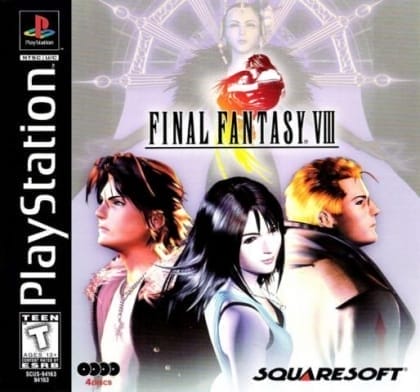
FINAL FANTASY VIII
psRole-Playing Game
FINAL FANTASY VIII is a Japanese role-playing game developed and published by Square for the original PlayStation. It follows Squall Leonhart, a reserved military trainee who becomes involved in a conflict involving sorceresses, time, and several nations. The game combines cinematic storytelling with exploration, turn-based battles, character customization, and large-scale set pieces. Its Junction system lets players attach Guardian Forces and magic to character attributes, making preparation as important as choosing commands in battle. The game received strong commercial success and generally positive reviews for its presentation, music, and ambitious narrative, although its mechanics and story divided some players. It remains one of the most distinctive entries in the series.
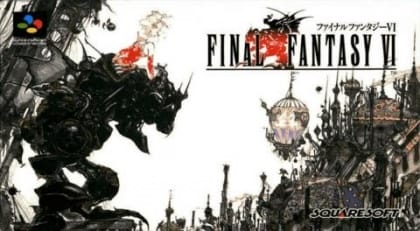
Final Fantasy VI
Super Nintendo (SNES)Role-Playing Game
Final Fantasy VI is a turn-based role-playing game developed and published by Square for the Super Nintendo Entertainment System. Its story follows a large group of rebels, soldiers, outcasts, and survivors resisting an expanding imperial regime and the dangerous power of magic. The game combines exploration, town and dungeon traversal, menu-driven battles, and a broad ensemble cast whose personal abilities shape combat. Its two-part structure gives the adventure a notable change in tone and objectives after a major catastrophe. Released in Japan in 1994 and localized in North America as Final Fantasy III, it received strong critical praise for its characters, music, dramatic writing, and ambitious presentation.
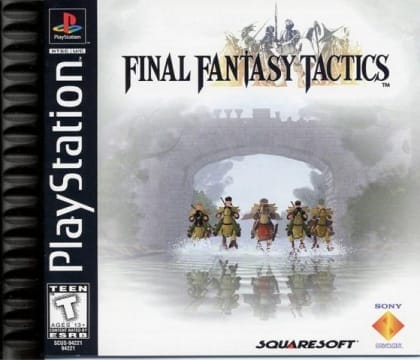
Final Fantasy Tactics
psTactical RPG1997
Final Fantasy Tactics is a tactical role-playing game developed and published by Square for the original PlayStation. Set in the war-torn kingdom of Ivalice, it follows Ramza Beoulve as he becomes involved in a political conflict shaped by class divisions, religion, and ancient powers. Battles take place on compact three-dimensional maps, where positioning, elevation, equipment, and job abilities matter as much as raw statistics. Its job system allows characters to learn and combine abilities from many professions. The game was widely praised for its deep combat, unusually mature story, and distinctive presentation, and it became one of the most respected strategy RPGs of its era.
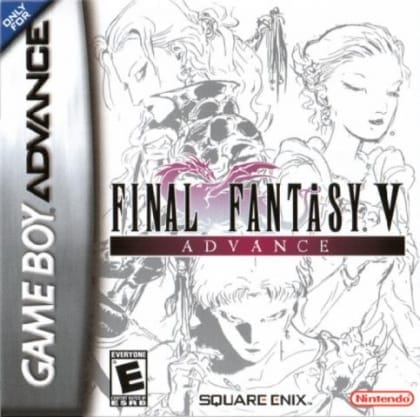
Final Fantasy V Advance
Game Boy AdvanceRole-Playing Game
Final Fantasy V Advance is a Japanese role-playing game developed and published by Square Enix for the Game Boy Advance. It follows Bartz and a group of companions who become involved in a crisis threatening the elemental crystals and the balance between worlds. The game combines traditional turn-based battles with the series’ flexible Job system, allowing characters to learn abilities from many professions and combine them freely. This version adds new jobs, a post-game dungeon, additional bosses, and other content absent from the original Super Famicom release. It was generally well received for preserving the original adventure while making its systems more accessible to English-speaking players.
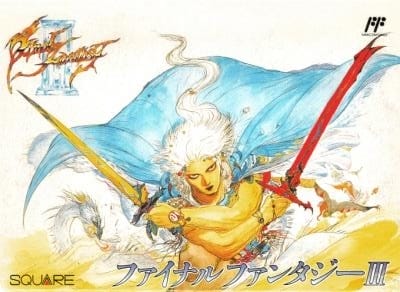
Final Fantasy III
Nintendo Entertainment System (NES)Role-Playing Game1990
Final Fantasy III is a Japanese role-playing game developed and published by Square for the Nintendo Entertainment System. It follows four young orphans chosen by the Crystals to restore balance to a world threatened by earthquakes, war, and the spreading influence of darkness. The game combines menu-driven, turn-based battles with exploration through towns, dungeons, airships, and other vehicles. Its defining feature is a flexible job system, allowing the party to change combat roles and build specialized teams. The NES version was praised in Japan for its scale, presentation, music, and mechanical ambition, although it was never officially released outside Japan at the time. It is distinct from the later Super Nintendo game marketed internationally as Final Fantasy III.
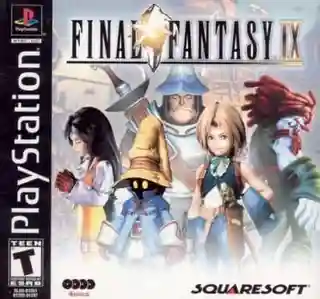
Final Fantasy IX
psRole-Playing2000
Final Fantasy IX is a Japanese role-playing game developed and published by Square for the original PlayStation. It follows the thief Zidane Tribal after a theater troupe's kidnapping plot draws him into a conflict involving Princess Garnet, the kingdom of Alexandria, and a growing threat to the world. The game combines turn-based battles, exploration, towns, dungeons, airships, and story-focused event scenes. Its character-driven presentation and affectionate return to classic Final Fantasy ideas were widely praised, especially for its writing, art direction, music, and emotional range. Some criticism focused on slow battle loading and pacing, but it is now commonly regarded as one of the strongest entries in the series.
How is this list kept current?
How rankings are calculated
The list is generated from active EmuGamers catalog entries. Votes and play activity determine order; browser compatibility is reported separately and does not turn an untested game into a higher-ranked recommendation.
| Order | Signal | How it is used |
|---|---|---|
| 1 | Real community votes | Games with at least one recorded vote appear before games with no votes. |
| 2 | Rating confidence | More votes rank first, followed by the rating value. |
| 3 | Play activity | Play count breaks rating ties and orders entries with no votes. |
| 4 | Stable tie-break | Game name keeps otherwise equal results deterministic. |
Which sources support further research?
Official sources and catalog provenance
The ranked games come from the EmuGamers database. The links below are related official project updates used for emulator support and preservation context; they are not citations for the ranking order.