
Catalog activity ranking
Most-Played Romance of the Three Kingdoms Games in the EmuGamers Catalog
This page uses active Romance of the Three Kingdoms catalog entries and separates popularity signals from compatibility evidence. This activity ranking links directly to 9 catalog entries in the Romance of the Three Kingdoms collection.
What is the quick answer?
Romance of the Three Kingdoms IV: Wall of Fire currently appears first in this activity ranking, followed by Romance of the Three Kingdoms II and Romance of the Three Kingdoms III: Dragon of Destiny. Games with real community ratings are considered first; entries without votes are ordered by play activity. This is a catalog signal, not an independent editorial review.
Most-played Romance of the Three Kingdoms games
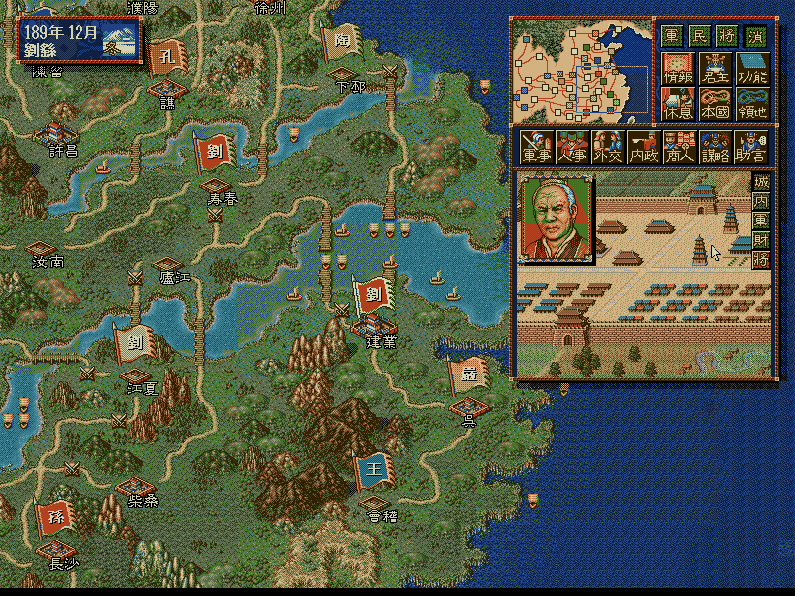
Romance of the Three Kingdoms IV: Wall of Fire
DOSTurn-based strategy
Romance of the Three Kingdoms IV: Wall of Fire is a turn-based historical strategy game developed and published by Koei. Set during China’s Three Kingdoms period, it asks the player to guide a ruler, manage cities, appoint officers, conduct diplomacy, and conquer rival territories. The game combines administrative simulation with large-scale campaigns and officer-centered storytelling. Its scenario structure supports several starting dates and competing warlords, giving each campaign a different political landscape. It was well regarded for its broad historical scope, detailed management systems, and strong atmosphere, although its many menus and statistics can make the early game demanding for newcomers.
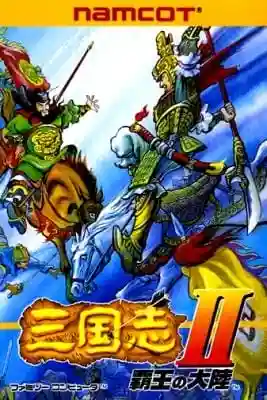
Romance of the Three Kingdoms II
Nintendo Entertainment System (NES)Turn-based strategy
Romance of the Three Kingdoms II is a turn-based historical strategy game developed and published by Koei for the Nintendo Entertainment System. Set during China’s late Han dynasty, it places the player in command of a ruler competing to unify the country. The game combines city administration, diplomacy, officer management, economics, and large-scale military campaigns. Players can follow established warlords or create a different political outcome through careful decisions and battlefield planning. The NES edition adapts Koei’s computer strategy design to a controller-driven interface, retaining its menu-heavy structure and campaign emphasis. Its appeal came from the unusual depth of its historical simulation and the freedom to approach each scenario in different ways. The interface and pace are deliberate, but the game is widely regarded as an important console strategy title of its era.
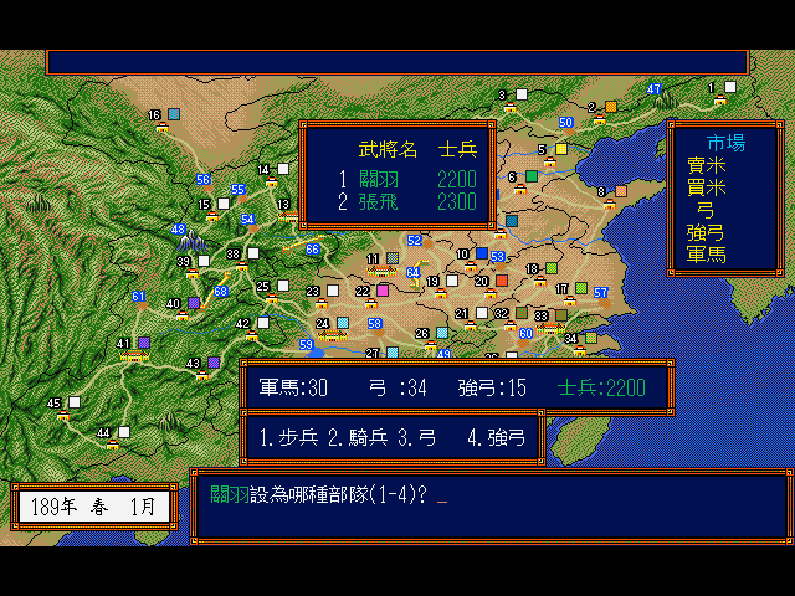
Romance of the Three Kingdoms III: Dragon of Destiny
DOSTurn-based strategy
Romance of the Three Kingdoms III: Dragon of Destiny is a turn-based grand-strategy and historical simulation game developed and published by Koei for DOS. Set during China’s Three Kingdoms era, it places the player in control of a warlord or kingdom competing to unify the country. The game combines administration, officer management, diplomacy, intelligence work, and tactical warfare rather than focusing only on battlefield action. Its broad scenario structure and large cast of historical officers give each campaign a different political shape. Reception generally praised the series’ depth, historical atmosphere, and replay value, while acknowledging that its many menus and statistics could be demanding for newcomers. The DOS edition presents the same management-heavy design in a computer strategy format.
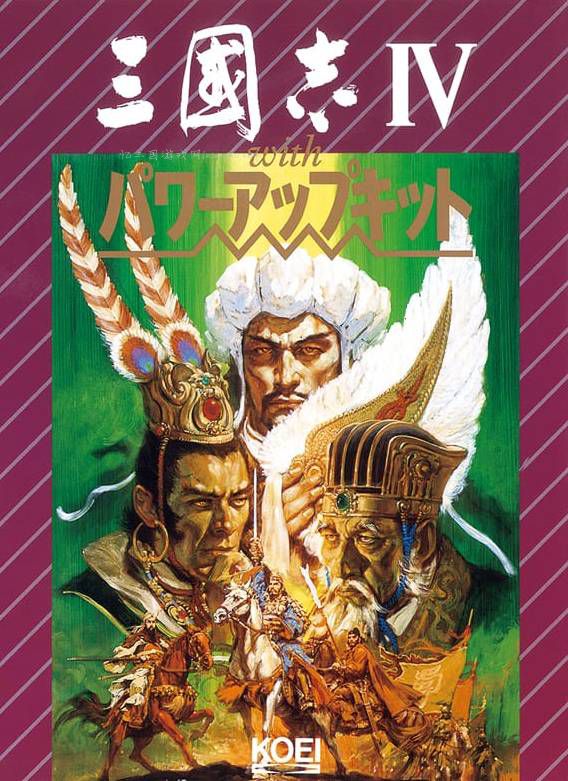
Romance of the Three Kingdoms IV: Wall of Fire
DOSTurn-based strategy
Developed and published by Koei, Romance of the Three Kingdoms IV: Wall of Fire is a turn-based historical strategy and grand simulation game set during China's Three Kingdoms era. The player leads a ruler or faction, manages cities, recruits and assigns officers, negotiates with rivals, and seeks to unify the country through warfare or political expansion. The DOS version presents the series' broad campaign structure through menus and map-based administration. Its play style rewards long-term planning more than rapid reactions: food, gold, troop morale, officer loyalty, and seasonal timing all affect the outcome of a campaign. The game was well regarded for its depth and historical atmosphere, although its extensive menus and demanding pace made it more appealing to dedicated strategy players than to newcomers.
Romance of the Three Kingdoms V
DOSTurn-based strategy
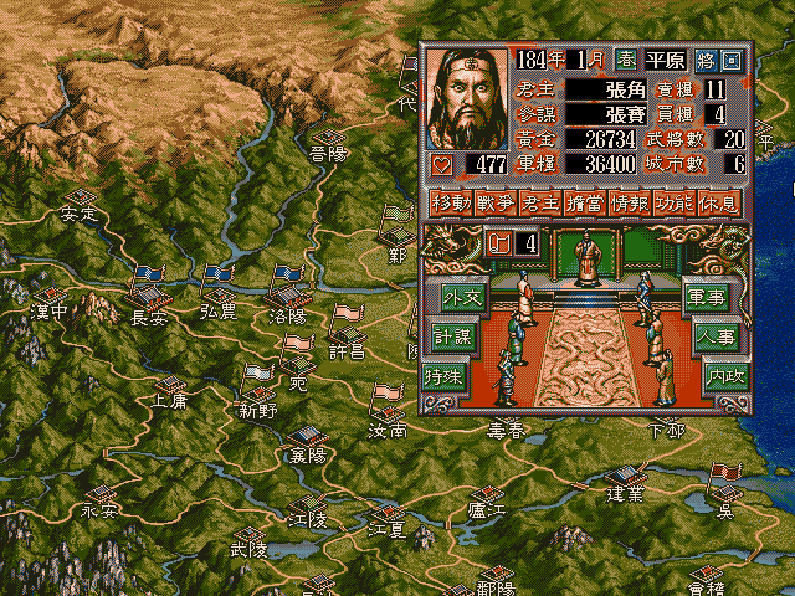
Romance of the Three Kingdoms V is a turn-based historical strategy game developed and published by Koei. It adapts the late Han and Three Kingdoms era into a campaign of political management, diplomacy, recruitment, administration, and warfare. The player chooses a faction or ruler and attempts to unify China by balancing the needs of cities with the ambitions and abilities of individual officers. The game is presented through strategic maps and command menus rather than direct battlefield action. Its scenarios, officer relationships, and changing alliances create a strongly simulation-focused play style, while battles provide the main tactical layer. It was well received for its broad historical scope and detailed systems, and is regarded as one of the more accessible entries in Koei's classic strategy series.
Romance of the Three Kingdoms III: Dragon of Destiny
DOSTurn-based strategy
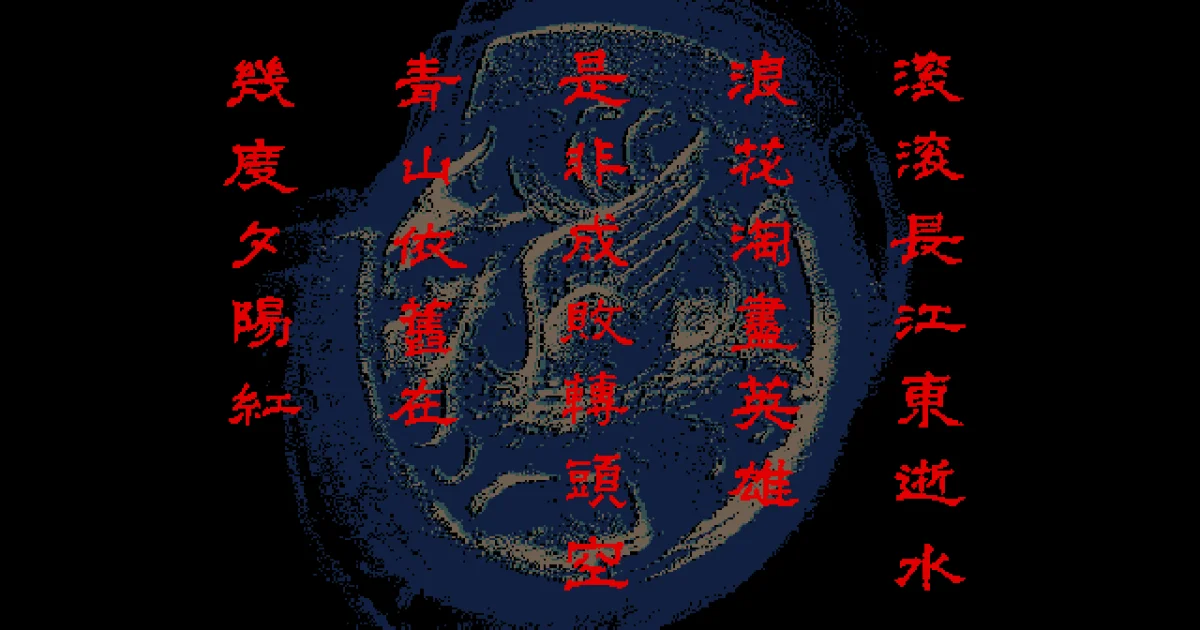
Romance of the Three Kingdoms III: Dragon of Destiny is a turn-based historical strategy game developed and published by Koei for DOS. Set during China's Three Kingdoms era, it asks the player to build a kingdom through administration, diplomacy, recruitment, espionage, and warfare. The game combines an empire-management layer with tactical battlefield decisions and a large roster of historical officers. Multiple rulers and starting situations support different approaches to unifying China. It was well regarded for its depth, strong historical atmosphere, and flexibility, although its many menus and statistics could make it demanding for newcomers.
Romance of the Three Kingdoms II
DOSTurn-based strategy
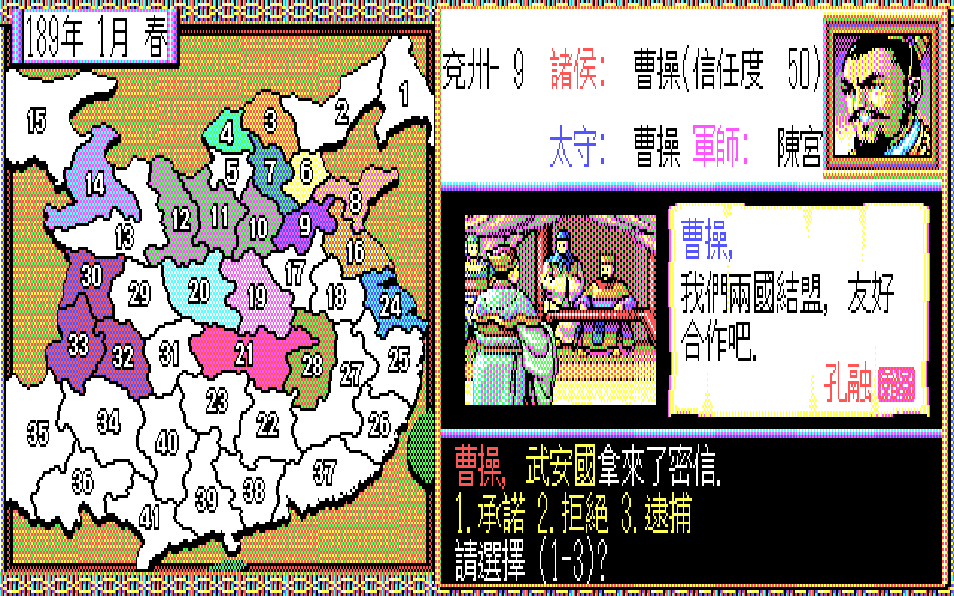
Romance of the Three Kingdoms II is a turn-based historical strategy game developed and published by Koei for DOS. It adapts the political and military struggles of China’s late Han era, giving the player control of a ruler competing to unify the country. Play alternates between administrative decisions, diplomacy, officer management, and field operations rather than focusing on reflex-based action. The game is built around a large strategic map and a roster of historical officers with different abilities. Players must balance food, gold, troops, loyalty, intelligence, and relationships while responding to rival rulers. Its detailed simulation and broad choice of campaigns helped establish the series as a major console and computer strategy franchise, although its menus and historical terminology can make it demanding for newcomers.
Romance of the Three Kingdoms: Eiketsuden
DOSTurn-based strategy1995
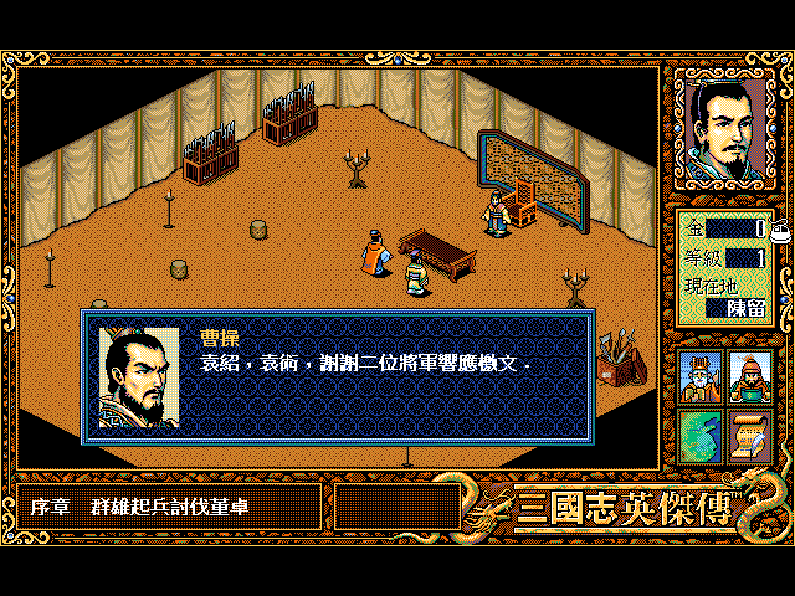
Romance of the Three Kingdoms: Eiketsuden is a turn-based tactical role-playing game developed and published by Koei. It retells major episodes from the late Han dynasty through the campaign of Liu Bei, combining historical battles with a character-driven presentation. Players move selected officers across grid-based battlefields, complete scenario objectives, and develop a small force through successive chapters. Between battles, the game advances its narrative through conversations and event scenes. It is more focused than Koei's mainline grand-strategy games, replacing extensive domestic management with campaign progression and tactical decisions. The game is generally noted for making the Three Kingdoms story approachable while retaining demanding battles and a substantial historical cast.
Romance of the Three Kingdoms II
DOSTurn-based strategy
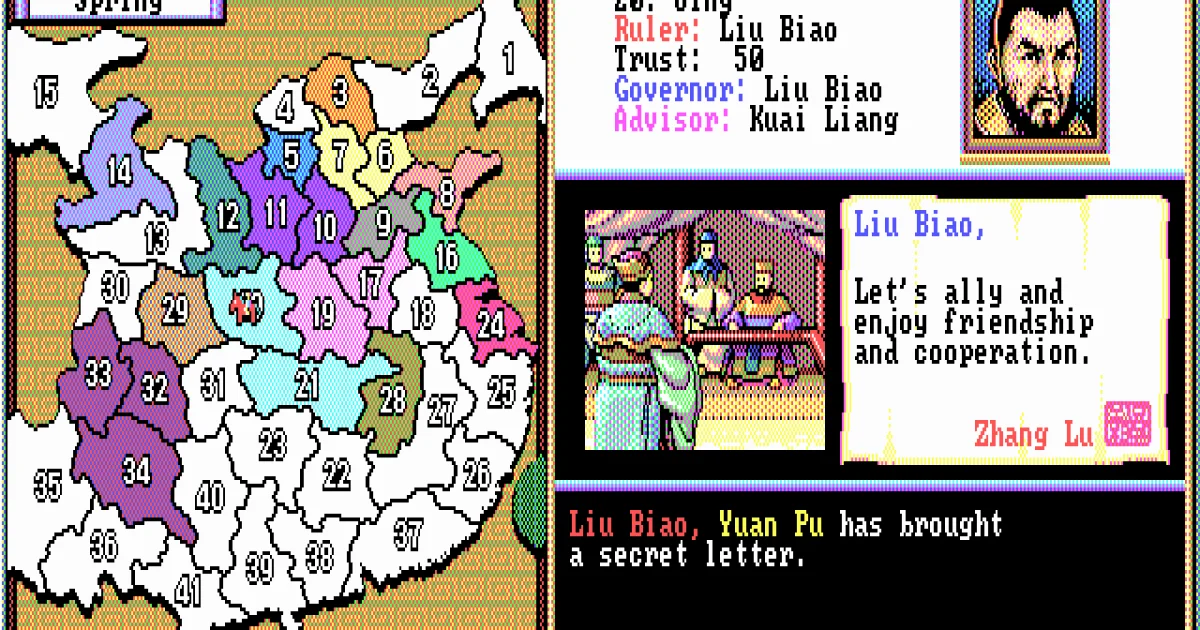
Romance of the Three Kingdoms II is a turn-based historical strategy game developed and published by Koei. Set during the collapse of the Eastern Han dynasty, it asks the player to guide a ruler or warlord through diplomacy, administration, recruitment, and warfare while attempting to unify China. The game combines officer management with a broad campaign map and tactical battles. Its emphasis is on political decisions as much as military expansion. The DOS edition brought Koei's long-running Japanese strategy series to personal computers and was particularly notable for its detailed simulation, large cast of historical officers, and demanding pace.
How is this list kept current?
How rankings are calculated
The list is generated from active EmuGamers catalog entries. Votes and play activity determine order; browser compatibility is reported separately and does not turn an untested game into a higher-ranked recommendation.
| Order | Signal | How it is used |
|---|---|---|
| 1 | Real community votes | Games with at least one recorded vote appear before games with no votes. |
| 2 | Rating confidence | More votes rank first, followed by the rating value. |
| 3 | Play activity | Play count breaks rating ties and orders entries with no votes. |
| 4 | Stable tie-break | Game name keeps otherwise equal results deterministic. |
Which sources support further research?
Official sources and catalog provenance
The ranked games come from the EmuGamers database. The links below are related official project updates used for emulator support and preservation context; they are not citations for the ranking order.