
Catalog activity ranking
Most-Played Doom Games in the EmuGamers Catalog
This page uses active Doom catalog entries and separates popularity signals from compatibility evidence. This activity ranking links directly to 10 catalog entries in the Doom collection.
What is the quick answer?
Final DOOM currently appears first in this activity ranking, followed by Doom II and DOOM. Games with real community ratings are considered first; entries without votes are ordered by play activity. This is a catalog signal, not an independent editorial review.
Most-played Doom games
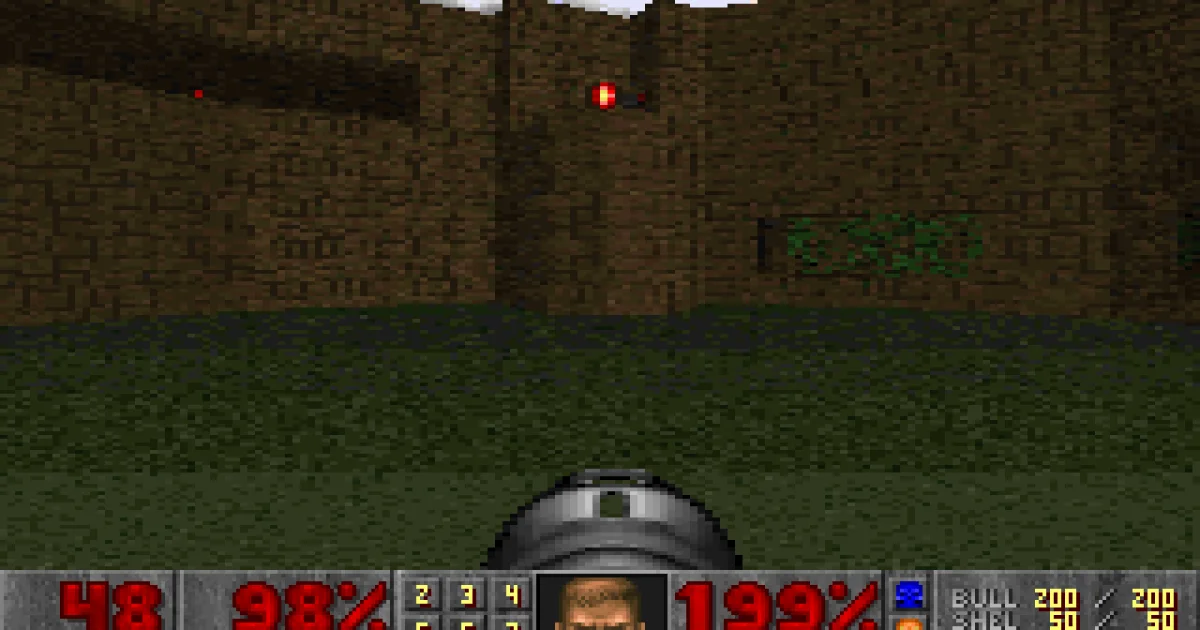
Final DOOM
DOSFirst-Person Shooter
Final DOOM is a first-person shooter developed by TeamTNT and The Plutonia Team, with id Software overseeing its official release. It contains two separate 32-level episodes: TNT: Evilution and The Plutonia Experiment. Both campaigns continue Doom’s science-fiction battle against demonic forces, using the original engine with new maps, textures, music, and encounters. The play style is fast, weapon-focused, and exploration-heavy. Players fight through military installations, industrial complexes, and increasingly abstract fortifications while searching for keys, weapons, secrets, and exits. Final DOOM was well received for its substantial content and challenging level design, although its difficulty and occasionally maze-like maps divided players. It remains an important part of classic Doom history and a demanding test for experienced players.
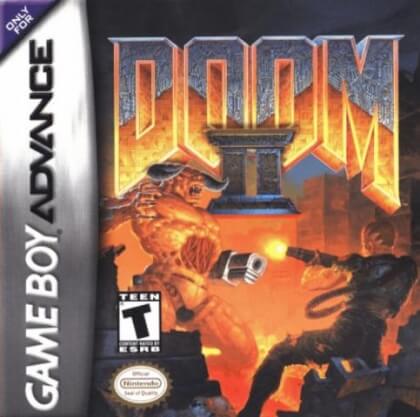
Doom II
Game Boy AdvanceFirst-Person Shooter
Doom II for Game Boy Advance is a first-person shooter developed by David A. Palmer Productions and published by Activision. It adapts the classic Doom II: Hell on Earth campaign to Nintendo's handheld hardware, placing the player in the role of a lone space marine fighting demons after Earth has been overrun. The game combines fast movement, maze-like levels, key hunting, weapon management, and secret-area exploration. Its campaign preserves the original game's weapon and enemy lineup in a compact portable format, although the handheld version has technical and presentation limits compared with the PC release. Reception was generally favorable for bringing a recognizable Doom experience to the GBA, with criticism focused on visual compromises and the absence of some original features.
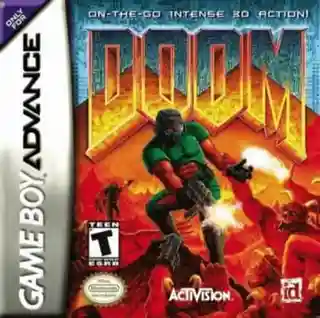
DOOM
Game Boy AdvanceFirst-Person Shooter
DOOM for Game Boy Advance is a handheld first-person shooter developed by David A. Palmer Productions and published by Activision. It adapts the classic id Software game for Nintendo’s portable hardware, placing the player in the role of a space marine battling demons and undead creatures across military bases, laboratories, and hellish environments. The game preserves the original’s maze-like exploration, weapon collection, key hunting, and fast combat while presenting the action through a scaled-down 3D engine. Its single-player campaign includes the original episode structure and a substantial selection of weapons and enemies. Critics generally regarded it as an impressive technical achievement for the Game Boy Advance, although the small screen and limited controls make navigation less comfortable than on home systems.
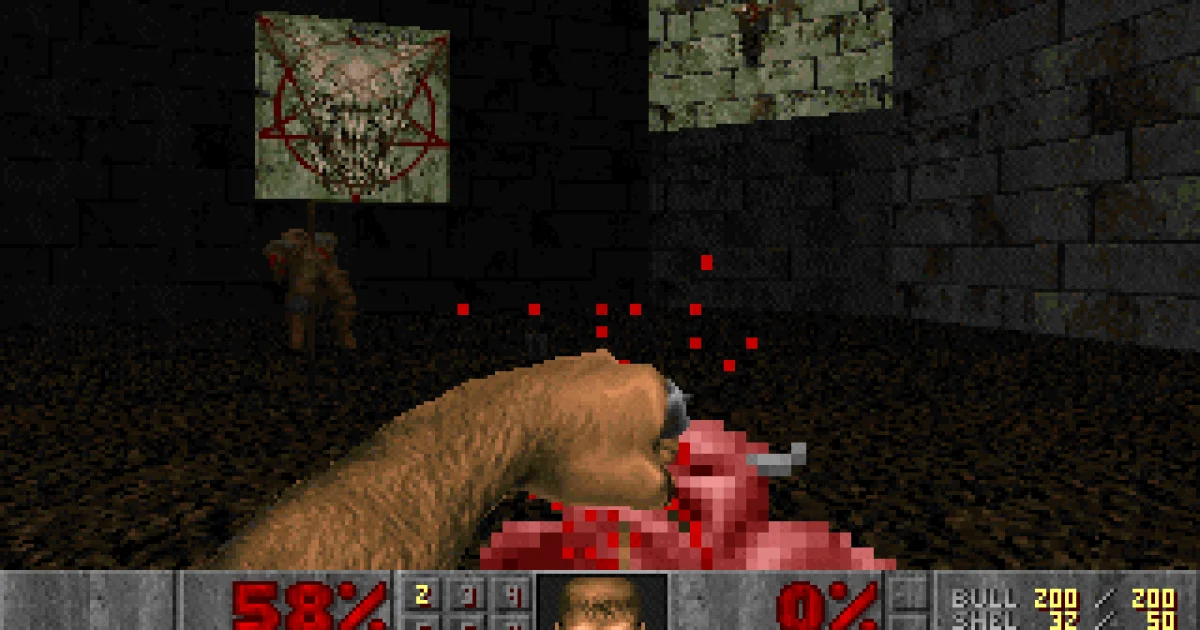
The Ultimate DOOM
DOSFirst-Person Shooter
The Ultimate DOOM is a first-person shooter developed by id Software and published by GT Interactive for DOS. It expands the original DOOM with a fourth episode, Thy Flesh Consumed, while retaining the base game's science-fiction horror premise: a lone space marine battles demons after experiments open gateways to Hell. Play is fast, maze-like, and focused on weapon handling, enemy encounters, secrets, and route-finding rather than narrative exposition. Its shareware-era technology and aggressive combat helped establish the modern FPS vocabulary. The game was broadly received as a definitive version of the original DOOM, although its final episode is notably more difficult than the first three.
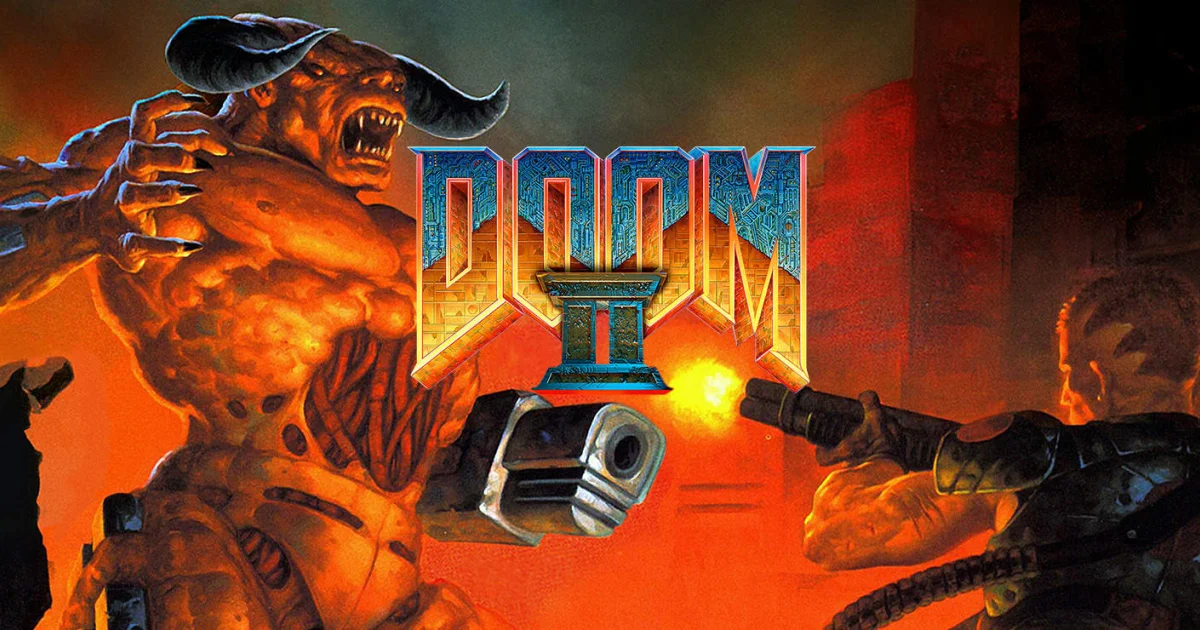
Doom II: Hell on Earth
DOSFirst-Person Shooter
Doom II: Hell on Earth is a first-person shooter developed by id Software and published by GT Interactive for DOS in 1994. It continues the story of the space marine who returns to Earth, only to find the planet overrun by demons. The game combines fast movement, maze-like exploration, hidden areas, key hunting, and intense weapon-based combat. Its 32-level campaign builds on the original Doom with new monsters, the powerful Super Shotgun, and more elaborate encounters. Doom II was widely praised for its speed, level design, enemy variety, and support for user-created content, helping establish the lasting importance of PC first-person shooters.
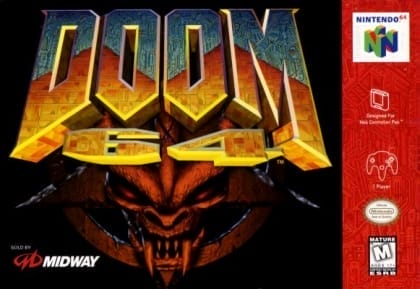
Doom 64
Nintendo 64First-Person Shooter
Doom 64 is a first-person shooter developed by Midway Games for the Nintendo 64. It presents an original campaign in which the Doom Marine returns to fight a renewed demonic invasion after the events of earlier games. The game uses maze-like, sprite-based environments viewed from a first-person perspective, with exploration, key hunting, combat, and secret discovery forming its core play style. Released in 1997, Doom 64 was designed specifically for Nintendo 64 rather than being a direct PC conversion. It was noted for its darker visual atmosphere, new weapon effects, original soundtrack, and substantial campaign. Contemporary reception was generally positive, particularly for its presentation and level design, although its console exclusivity kept it separate from the main PC release history.
Doom Alpha
DOSFirst-Person Shooter
Doom Alpha is an early DOS prototype of id Software’s Doom, the science-fiction first-person shooter that helped define the genre. It presents the player as a space marine exploring hostile, maze-like facilities while battling demonic enemies with firearms. The alpha build is a work-in-progress rather than a finished commercial release, so its maps, weapons, visuals, sound, and rules differ substantially from the final 1993 game. Its play style already emphasizes fast movement, direct shooting, exploration, and searching for keys or switches. Although the alpha was not reviewed as a conventional retail product, its historical importance is considerable: the prototype documents the development of one of the most influential PC action games and reveals how id Software refined Doom’s design before release.
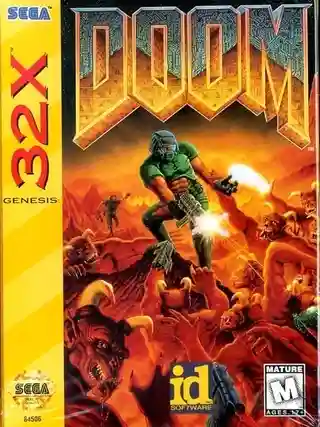
DOOM
Sega 32XFirst-Person Shooter
DOOM for Sega 32X is a first-person shooter developed by id Software and adapted for Sega's 32-bit add-on. The player controls a space marine stranded on a demon-infested military installation after experiments open gateways to Hell. Combat is built around rapid movement, weapon switching, exploration, and the collection of ammunition, armor, and keycards. This version presents a reduced selection of episodes and levels compared with the computer original, but retains the recognizable 3D maze structure and aggressive enemy encounters. Reception was mixed: critics praised the attempt to bring DOOM to a console, while noting technical compromises, missing content, and the absence of multiplayer found in some other versions.
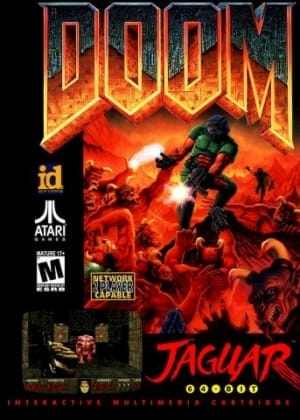
DOOM
jaguarFirst-Person Shooter
DOOM is a first-person shooter developed by id Software and adapted for the Atari Jaguar by id Software and Atari. The player controls an unnamed space marine battling demons and undead creatures after an experiment opens gateways to Hell. Its play style combines fast movement, maze-like exploration, weapon switching, key hunting, and aggressive combat. The Jaguar version was notable as an early console adaptation of the influential PC original. It contains a substantial selection of the original campaign, with several levels and episodes omitted or rearranged, but was generally well received for bringing convincing 3D action to Atari’s hardware.
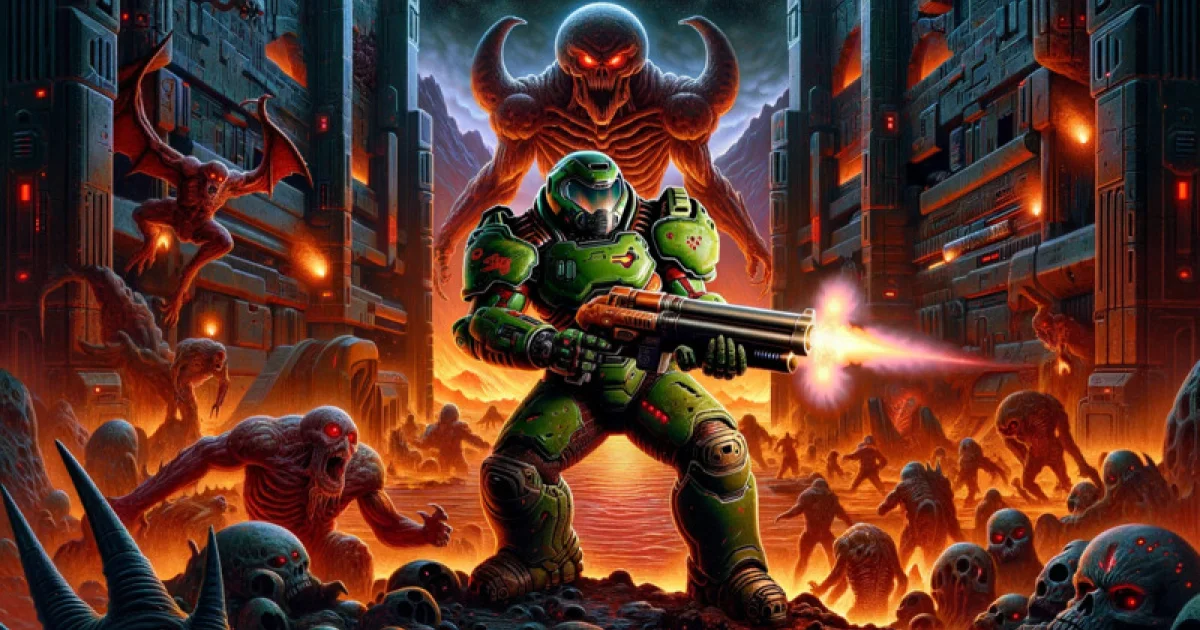
DOOM
DOSFirst-Person Shooter
DOOM is a first-person shooter developed and published by id Software for DOS. It places the player in the role of an unnamed space marine fighting demons after a teleportation experiment opens gateways to Hell on the moons of Mars. The game combines maze-like exploration, rapid gunplay, secret hunting, and horror-themed science fiction imagery. Its three-episode shareware structure helped define early PC action games, while network and modem multiplayer expanded its influence. DOOM was widely praised for its speed, atmosphere, level design, enemy encounters, and support for user-made modifications. The DOS release became a landmark of the genre and established a long-running series.
How is this list kept current?
How rankings are calculated
The list is generated from active EmuGamers catalog entries. Votes and play activity determine order; browser compatibility is reported separately and does not turn an untested game into a higher-ranked recommendation.
| Order | Signal | How it is used |
|---|---|---|
| 1 | Real community votes | Games with at least one recorded vote appear before games with no votes. |
| 2 | Rating confidence | More votes rank first, followed by the rating value. |
| 3 | Play activity | Play count breaks rating ties and orders entries with no votes. |
| 4 | Stable tie-break | Game name keeps otherwise equal results deterministic. |
Which sources support further research?
Official sources and catalog provenance
The ranked games come from the EmuGamers database. The links below are related official project updates used for emulator support and preservation context; they are not citations for the ranking order.