
Catalog activity ranking
Most-Played Pitfall! Games in the EmuGamers Catalog
This page uses active Pitfall! catalog entries and separates popularity signals from compatibility evidence. This activity ranking links directly to 10 catalog entries in the Pitfall! collection.
What is the quick answer?
Pitfall II: Lost Caverns currently appears first in this activity ranking, followed by Super Pitfall! and Pitfall: The Mayan Adventure. Games with real community ratings are considered first; entries without votes are ordered by play activity. This is a catalog signal, not an independent editorial review.
Most-played Pitfall! games
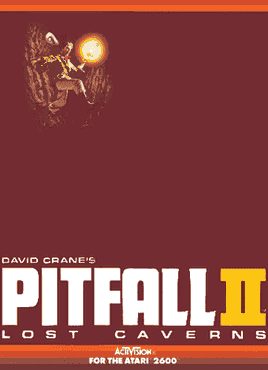
Pitfall II: Lost Caverns
Arcade SystemsPlatformer
Pitfall II: Lost Caverns is a platforming action-adventure game developed and published by Sega for arcade systems in 1985. It follows Pitfall Harry as he explores a dangerous cavern network in search of treasure while rescuing his companions. The game emphasizes traversal, enemy avoidance, precise timing, and recovery from hazards rather than direct combat. Its scrolling underground environments and checkpoint-based structure distinguish it from many earlier single-screen platformers. The arcade version is an adaptation of Activision’s Pitfall II concept and is chiefly remembered for bringing Harry’s cavern expedition to coin-operated play, although the home-console version remains the better-known release.
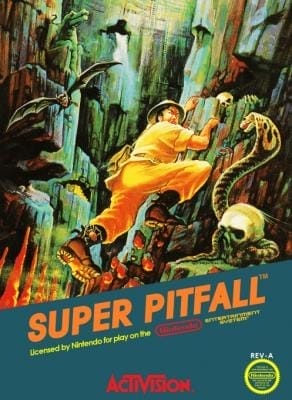
Super Pitfall!
Nintendo Entertainment System (NES)Platformer
Super Pitfall! is a side-scrolling platform adventure developed by Micronics and published by Activision for the Nintendo Entertainment System. It stars Pitfall Harry in a large maze of connected screens filled with platforms, ladders, hazards, enemies, and hidden passages. The central objective is to recover five diamonds and a crown while rescuing Rhonda and Quickclaw, then return to the starting area. Its open-ended structure and demanding jumps give it an exploratory character rather than a straightforward stage-by-stage format. Reception was mixed: the game was recognized for its ambitious size, but criticized for imprecise controls, confusing navigation, and uneven difficulty.
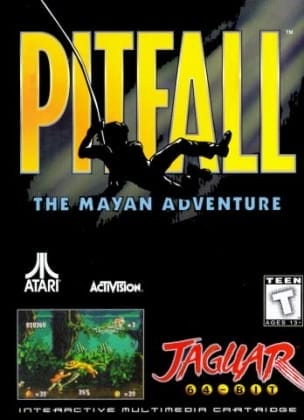
Pitfall: The Mayan Adventure
jaguarPlatformer
Pitfall: The Mayan Adventure is a side-scrolling action-platform game developed and published by Activision. It follows Pitfall Harry Jr. as he enters a dangerous Mayan world to rescue his kidnapped father, the original Pitfall Harry. Players run, jump, climb, swing, and fight through trap-filled ruins, jungles, caves, and other themed stages. The game combines traditional platforming with collectible items and several weapon types, giving each level more variety than a simple obstacle course. Its animated presentation and responsive movement were generally well received, although critics also noted uneven difficulty and occasional frustration from hazards and enemy placement. The Jaguar version is one of several contemporary console and computer releases.
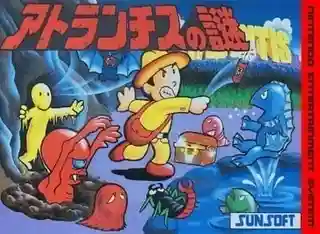
Super Pitfall II
Nintendo Entertainment System (NES)Action-Adventure1991
Released in 1991 as an unofficial sequel to Pitfall! for the Famicom/NES, this game focuses on jungle exploration, hidden treasure hunting, and encounters with dangerous creatures. Its non-linear structure gives players more freedom than the earlier entries, while the controls are generally regarded as improved. The game is remembered for its tough difficulty, maze-like environments, and password system, making it a notable oddity among retro action-adventure titles.
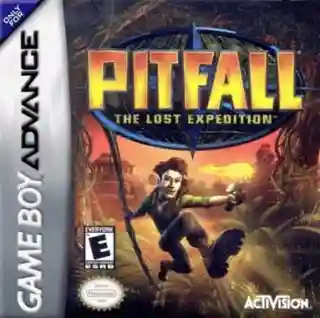
Pitfall: The Lost Expedition
Game Boy AdvanceAction
Pitfall: The Lost Expedition is a 2D action-platformer developed by Torus Games for the Game Boy Advance and published by Activision. It follows Pitfall Harry as he searches a remote jungle for lost companions and ancient treasure while avoiding traps, hostile animals, and other hazards. The game combines side-scrolling exploration with jumping, whip attacks, item collection, and light puzzle solving. Its structure adapts the larger console adventure into a more compact handheld journey. Reception was generally mixed, with reviewers recognizing the recognizable Pitfall setting and varied obstacles while noting the limited depth and technical compromises of the portable version.
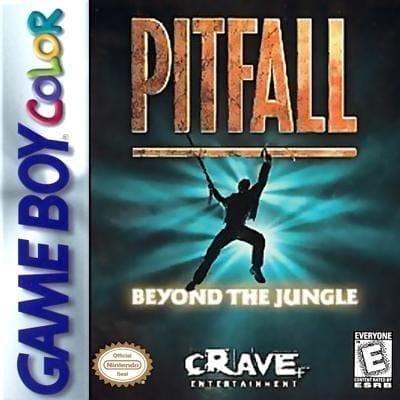
Pitfall: Beyond the Jungle
Game BoyPlatformer
Pitfall: Beyond the Jungle is a side-scrolling action-platformer developed and published by Activision for the Game Boy Color in 1998. It continues the Pitfall tradition of guiding an adventurer through dangerous jungle environments filled with traps, enemies, gaps, and collectible items. The game is designed around short obstacle courses, precise jumping, and repeated exploration of themed stages rather than complex role-playing systems. Its colorful presentation and direct controls fit the handheld hardware well. Reception was generally modest: the game was recognized as a competent portable platformer, but it received less attention than the larger-console Pitfall releases.
3D Pitfall
DOSAction
3D Pitfall is an action-platformer released for the 3DO Interactive Multiplayer system. It is a 3D-era retelling of the original Pitfall! game, presenting side-scrolling gameplay with pre-rendered 3D graphics. The player again takes control of treasure hunter Pitfall Harry, navigating jungle trails, caverns, and vine-filled paths while avoiding natural hazards and collecting treasures.
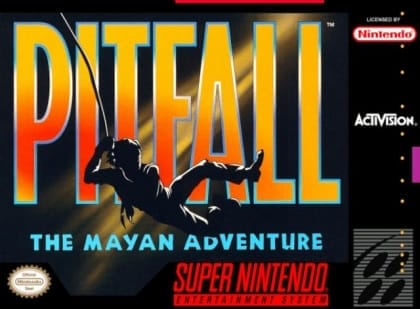
Pitfall: The Mayan Adventure
Super Nintendo (SNES)Platformer
Pitfall: The Mayan Adventure is a side-scrolling action-platformer developed and published by Activision for the Super Nintendo Entertainment System. It stars Pitfall Harry Jr., who travels through dangerous Mayan ruins to rescue his kidnapped father, the original Pitfall Harry. The game combines traditional platforming with whip-based combat, hidden items, environmental hazards, and large guardian encounters. Its levels emphasize exploration as well as forward movement, with multiple routes and secrets rewarding careful play. The colorful animation and detailed backgrounds were generally well received, while reviews also noted uneven difficulty and occasionally awkward collision detection. It is remembered as a technically ambitious 16-bit revival of Activision's long-running Pitfall property.
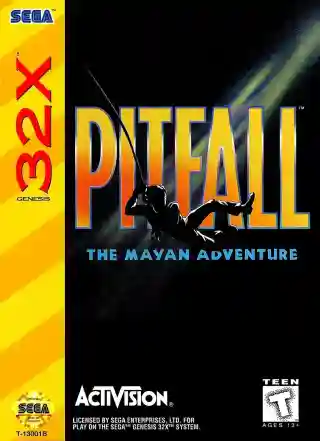
Pitfall: The Mayan Adventure
Sega 32XPlatformer
Pitfall: The Mayan Adventure is a side-scrolling action-platformer developed and published by Activision for the Sega 32X. The player controls Pitfall Harry Jr., who enters a dangerous Mayan environment to rescue his kidnapped father, the original Pitfall Harry. Its play style combines running and jumping with whip-based combat, exploration, traps, and collectible items. The game uses detailed animated visuals and multiple themed areas rather than the simple single-screen structure of the earliest Pitfall games. Reception was generally mixed to positive, with its animation and presentation often praised, while the demanding platforming and uneven difficulty received criticism. The 32X version is one of several releases, and its position on Sega’s enhanced hardware made its visual presentation a notable part of its identity.
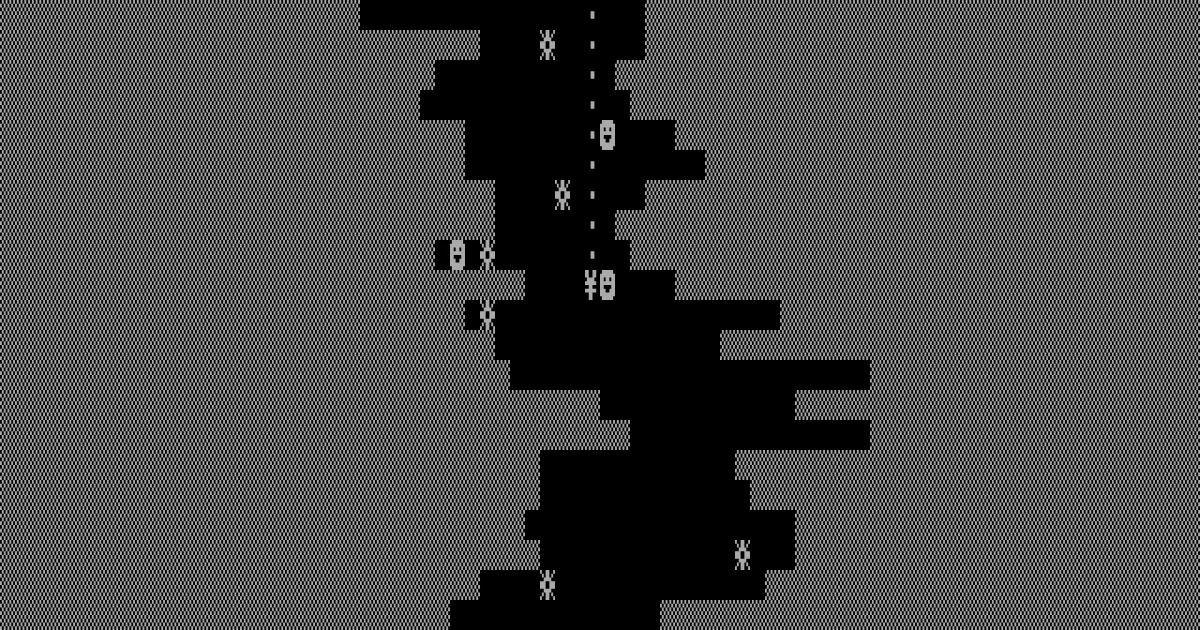
Pitfall!
DOSPlatformer
Pitfall! is a side-scrolling action platformer developed and published by Activision. Designed by David Crane, it casts the player as Pitfall Harry, an explorer searching a jungle for 32 treasures before a strict time limit expires. The DOS version adapts the landmark 1982 home-console game for IBM-compatible computers while retaining its simple running, jumping, and obstacle-avoidance structure. The game is presented as a sequence of connected jungle screens rather than a conventional stage-based campaign. Players must react to logs, snakes, scorpions, crocodiles, fire, and pits while choosing routes through the landscape. Pitfall! was historically well received and became one of the most influential early platformers, particularly for its smooth scrolling, large interconnected play area, and emphasis on timing rather than combat.
How is this list kept current?
How rankings are calculated
The list is generated from active EmuGamers catalog entries. Votes and play activity determine order; browser compatibility is reported separately and does not turn an untested game into a higher-ranked recommendation.
| Order | Signal | How it is used |
|---|---|---|
| 1 | Real community votes | Games with at least one recorded vote appear before games with no votes. |
| 2 | Rating confidence | More votes rank first, followed by the rating value. |
| 3 | Play activity | Play count breaks rating ties and orders entries with no votes. |
| 4 | Stable tie-break | Game name keeps otherwise equal results deterministic. |
Which sources support further research?
Official sources and catalog provenance
The ranked games come from the EmuGamers database. The links below are related official project updates used for emulator support and preservation context; they are not citations for the ranking order.