
Catalog activity ranking
Most-Played Tetris Games in the EmuGamers Catalog
This page uses active Tetris catalog entries and separates popularity signals from compatibility evidence. This activity ranking links directly to 10 catalog entries in the Tetris collection.
What is the quick answer?
The New Tetris currently appears first in this activity ranking, followed by Tetris and Tetris Worlds. Games with real community ratings are considered first; entries without votes are ordered by play activity. This is a catalog signal, not an independent editorial review.
Most-played Tetris games
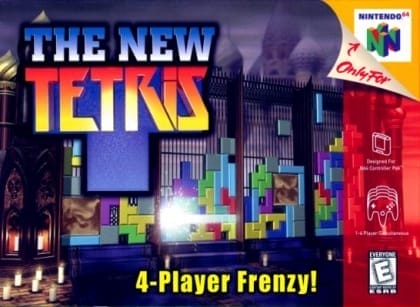
The New Tetris
Nintendo 64Puzzle
The New Tetris is a puzzle game developed by H2O Entertainment and published by Nintendo for the Nintendo 64. It retains the familiar objective of arranging falling tetrominoes to clear horizontal lines, but adds square-making and line-clearing bonuses that reward deliberate placement. Players can compete against computer opponents or other people in multiplayer modes, while solo play is organized around progressively challenging stages. Its colorful presentation and expanded scoring system gave the classic formula a more modern console identity. Reception was generally positive, especially for its strategic additions and multiplayer value, although some players preferred the simplicity of traditional Tetris.
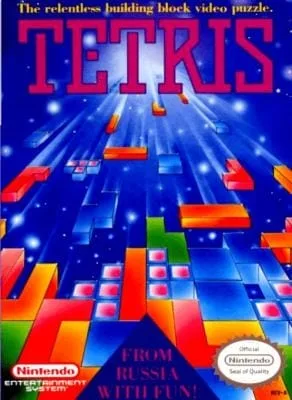
Tetris
Nintendo Entertainment System (NES)Puzzle
Tetris for the Nintendo Entertainment System is Nintendo’s console adaptation of Alexey Pajitnov’s falling-block puzzle game. Developed by Nintendo R&D1 and published by Nintendo, it presents a simple premise: arrange descending tetrominoes to complete horizontal lines before the playfield fills. Its primary modes support both endless score chasing and fixed-height challenges, with speed increasing as play continues. The NES version became one of the system’s defining puzzle games, praised for its precise controls, escalating tension, and highly replayable scoring system. It is especially associated with competitive play and the classic Nintendo Tetris rule set.
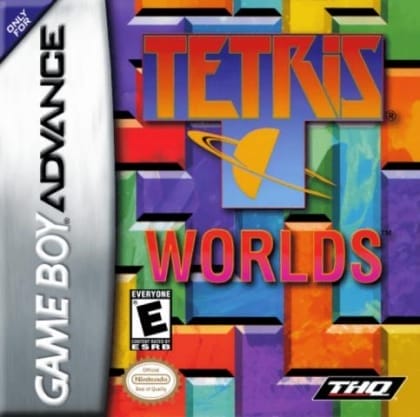
Tetris Worlds
Game Boy AdvancePuzzle
Tetris Worlds is a falling-block puzzle game developed by 3d6 Games and published by THQ for the Game Boy Advance. It adapts the familiar Tetris formula into several themed worlds, each with variations on line-clearing rules and presentation. Players guide descending tetrominoes, rotate them, and arrange them to complete horizontal lines before the stack reaches the top. The portable version emphasizes short, repeatable sessions and progression through multiple rule sets rather than a story-driven campaign. Reception was mixed: the core puzzle mechanics remained accessible and compelling, while critics often considered the presentation and some mode-specific changes less successful than the standard Tetris formula.
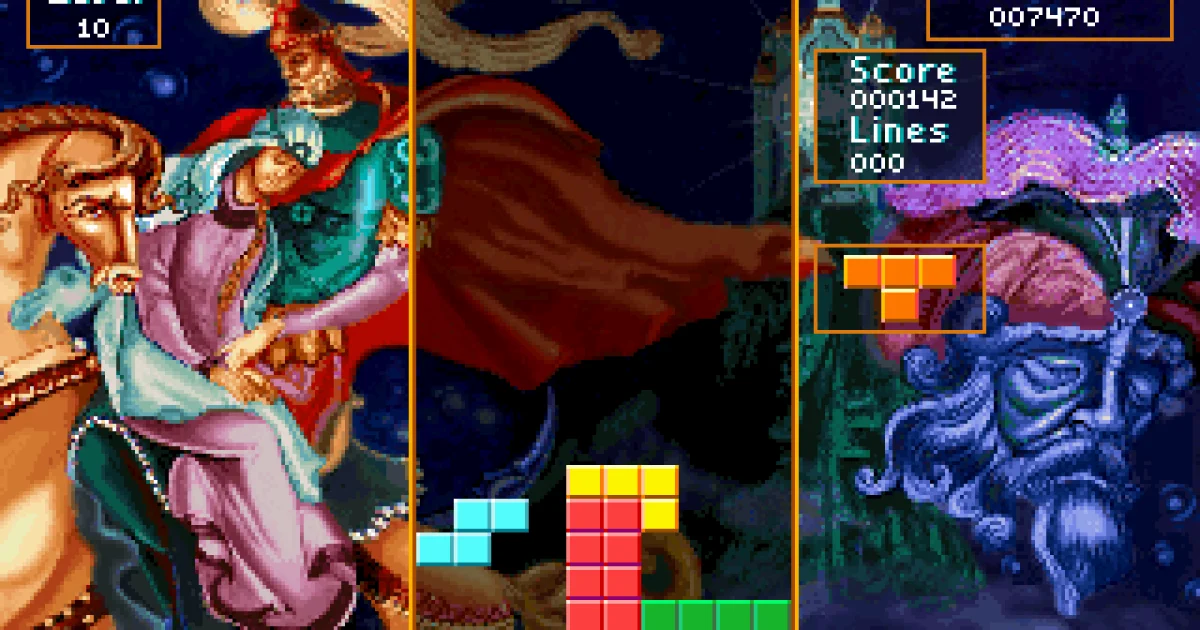
Tetris Classic
DOSPuzzle
Tetris Classic is a DOS falling-block puzzle game developed and published by Spectrum Holobyte in 1992. It presents the established Tetris premise: arrange descending tetrominoes to complete horizontal lines and prevent the playfield from filling. The game is primarily a single-player score-and-survival experience, with keyboard controls and a range of falling speeds that demand increasingly quick decisions. Its presentation reflects Spectrum Holobyte’s effort to give the internationally famous puzzle a polished home-computer version. Reception was generally favorable among DOS players, particularly for its accessible rules and faithful core play, although the underlying design remained the main attraction rather than a large adventure or story campaign.
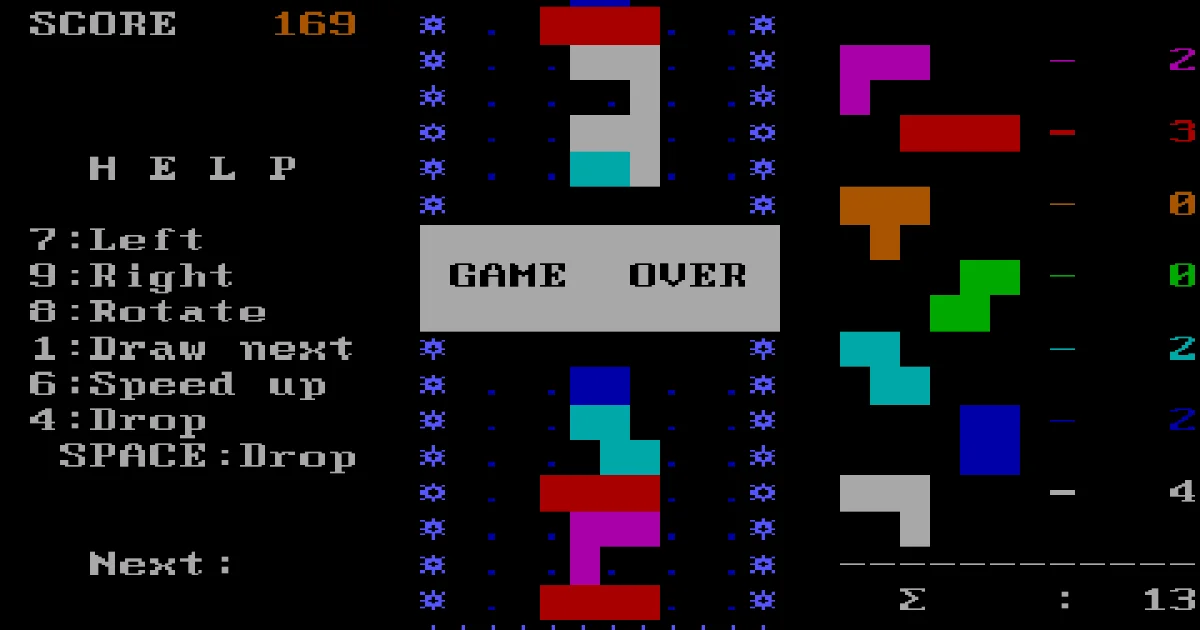
Tetris
DOSPuzzle
Tetris is a falling-block puzzle game in which the player arranges descending geometric pieces to complete horizontal lines. The exact developer, publisher, and release date for this DOS version cannot be identified reliably from the supplied title alone, because multiple DOS adaptations and releases exist. Its play style is direct and turn-based in feel, but the increasing fall speed demands quick planning and spatial awareness. Tetris has received lasting historical acclaim for its simple rules, escalating challenge, and broad accessibility. DOS editions generally preserve the familiar core formula, although their presentation, controls, scoring, and feature sets may differ.
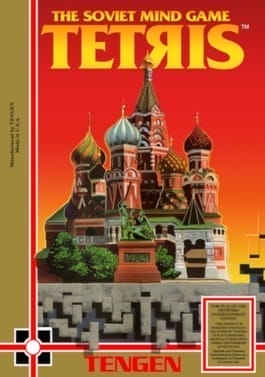
Tetris
Arcade SystemsPuzzle
Tetris is a tile-matching puzzle game adapted for arcade play by Atari Games and released in 1988. The core premise is to arrange falling tetrominoes so that they form complete horizontal lines, which then disappear. Its play style is direct and increasingly demanding: pieces fall faster as the session continues, leaving less time for planning. The arcade version presents the familiar one-player endurance format in a cabinet designed for quick sessions. It preserves the simple rules that made Tetris immediately accessible while adding the pressure of an arcade score chase. Tetris received strong recognition for its elegant design and became one of the most influential puzzle games in video-game history, although this arcade release is one of several distinct versions of the game.
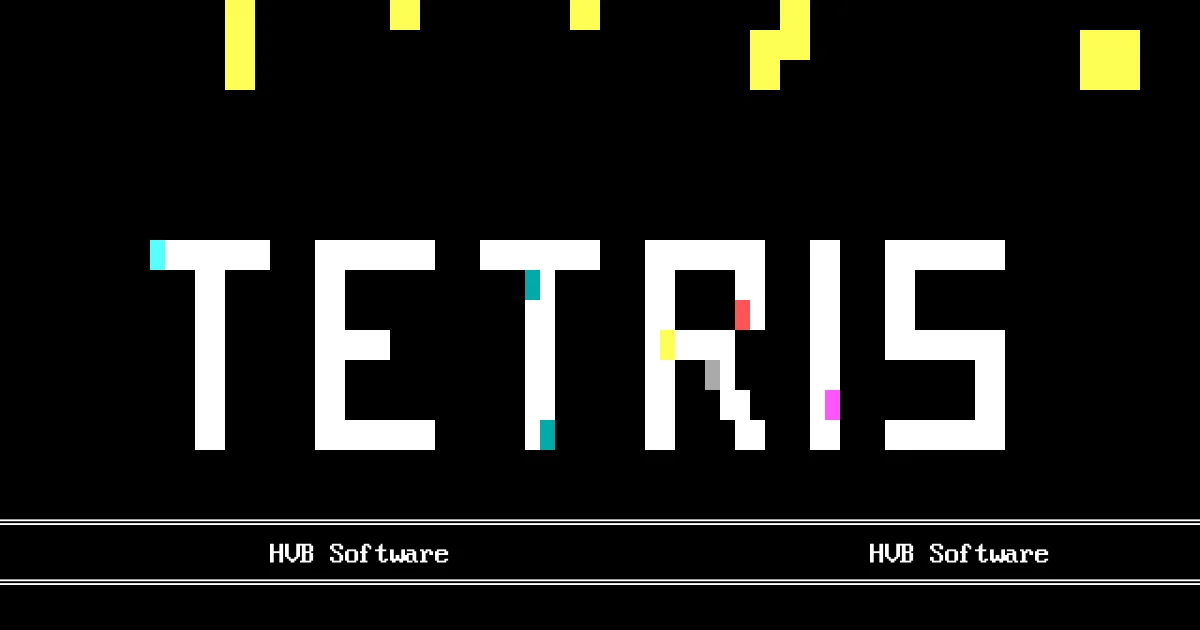
Tetris
DOSPuzzle1984
Tetris is a falling-block puzzle game for DOS in which the player arranges descending tetrominoes to complete horizontal lines. The supplied platform designation does not identify a single DOS edition, and different releases may have different developers, publishers, graphics, sound, controls, and modes. Its core play style remains focused on quick spatial decisions: rotate and move each piece before it reaches the stack, then use completed lines to create space. Tetris became one of the most influential puzzle games in history and was widely praised for its simple rules, escalating challenge, and unusually replayable design. Because the specific DOS release is unknown, edition-specific credits, date, title-screen options, and keyboard mappings are left unspecified.
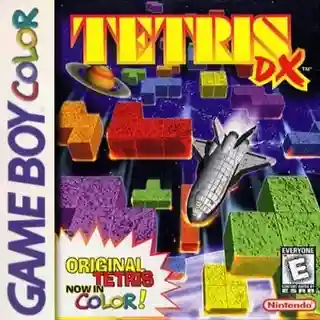
Tetris DX
Game BoyPuzzle
Tetris DX is a falling-block puzzle game developed by Nintendo R&D1 and published by Nintendo for the Game Boy Color. It presents the familiar Tetris premise: rotate and place descending tetrominoes to complete lines before the stack reaches the top of the playfield. The game includes several play styles, from traditional score chasing to timed and competitive modes. Its portable presentation adds bright color, battery-backed progress, and a selection of unlockable content. Tetris DX was well received for refining the classic formula with responsive controls, varied modes, and a polished handheld interface, and it remains one of the most notable Tetris releases on Nintendo’s handheld hardware.
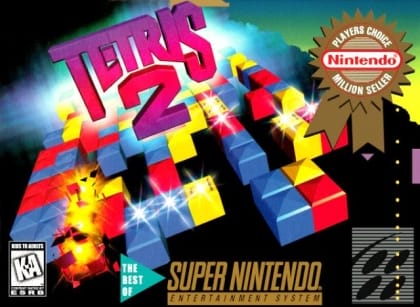
Tetris 2
Super Nintendo (SNES)Puzzle
Tetris 2 is a falling-block action puzzle game developed by Intelligent Systems and published by Nintendo for the Super Nintendo Entertainment System. Instead of clearing lines solely by completing rows, players must match the colors of special capsules with colored blocks already in the well. Matching three objects of the same color triggers an explosive clear, making positioning and timing more important than in traditional Tetris. The game offers a single-player mode with progressively difficult stages, plus competitive two-player play. Its bright presentation, responsive controls, and distinctive color-clearing rules made it a well-regarded variation on the classic formula, although its added mechanics require a different strategy from standard Tetris.
Tetris 2
Nintendo Entertainment System (NES)Puzzle
Tetris 2 is a falling-block puzzle game developed by Nintendo R&D1 and published by Nintendo for the Nintendo Entertainment System. It uses familiar falling-piece controls but changes the central objective: players must clear colored blocks by matching them with special blocks of the same color. The result is a more deliberate, combo-focused style than traditional line-clearing Tetris. The game includes solo play and competitive two-player play, with stages that introduce increasingly demanding arrangements. Its colorful presentation and accessible rules made it a distinctive Nintendo interpretation of Tetris. Reception was generally positive, particularly for the added matching mechanics, although players seeking the pure classic formula sometimes found it substantially different from the original.
How is this list kept current?
How rankings are calculated
The list is generated from active EmuGamers catalog entries. Votes and play activity determine order; browser compatibility is reported separately and does not turn an untested game into a higher-ranked recommendation.
| Order | Signal | How it is used |
|---|---|---|
| 1 | Real community votes | Games with at least one recorded vote appear before games with no votes. |
| 2 | Rating confidence | More votes rank first, followed by the rating value. |
| 3 | Play activity | Play count breaks rating ties and orders entries with no votes. |
| 4 | Stable tie-break | Game name keeps otherwise equal results deterministic. |
Which sources support further research?
Official sources and catalog provenance
The ranked games come from the EmuGamers database. The links below are related official project updates used for emulator support and preservation context; they are not citations for the ranking order.